
Last updated October 15, 2026
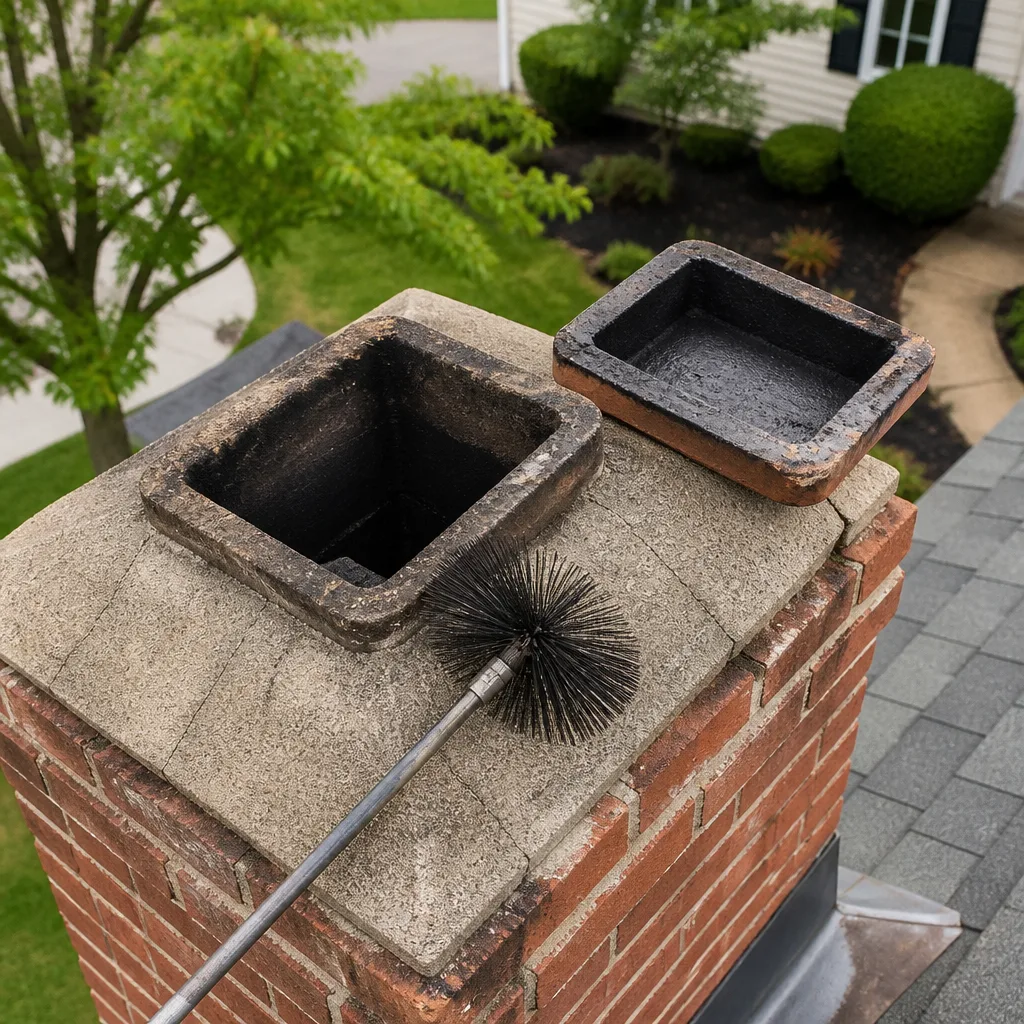 Sweep & inspection
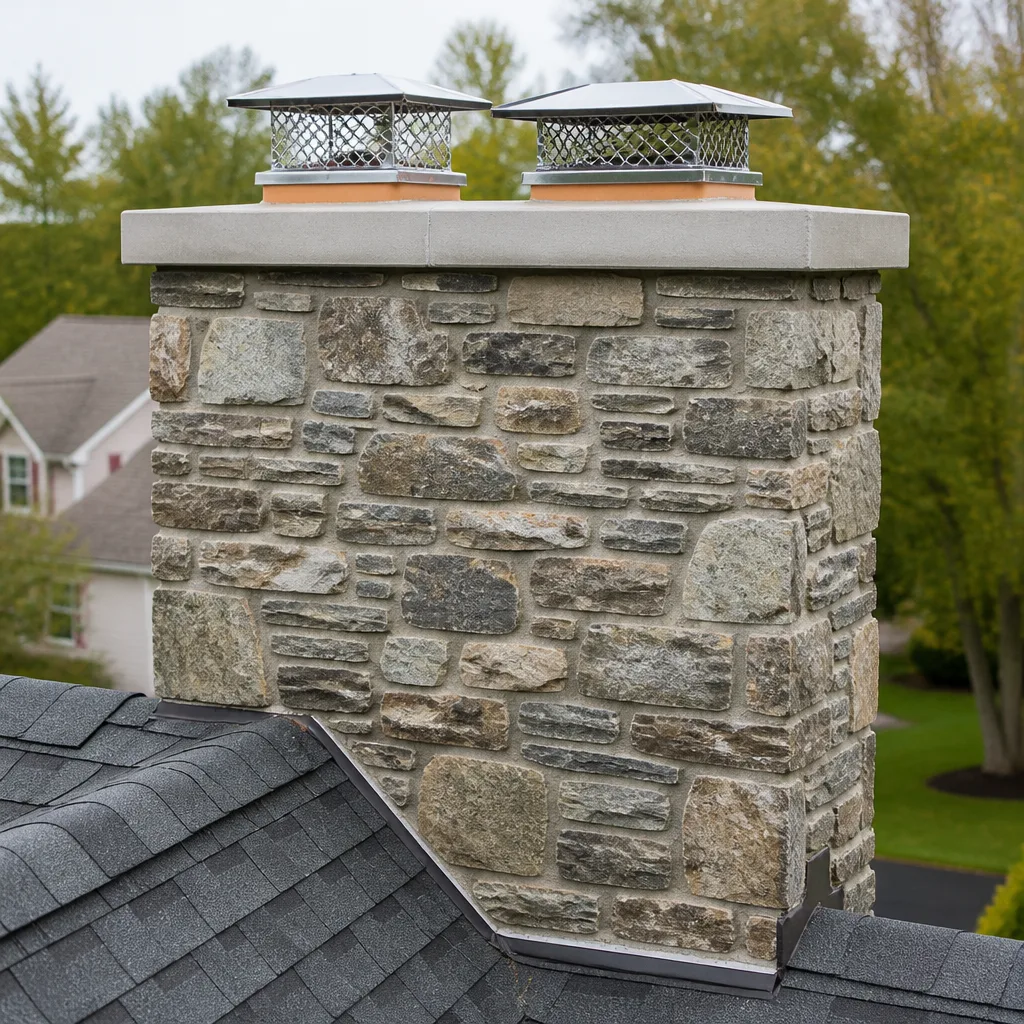 Caps & crowns
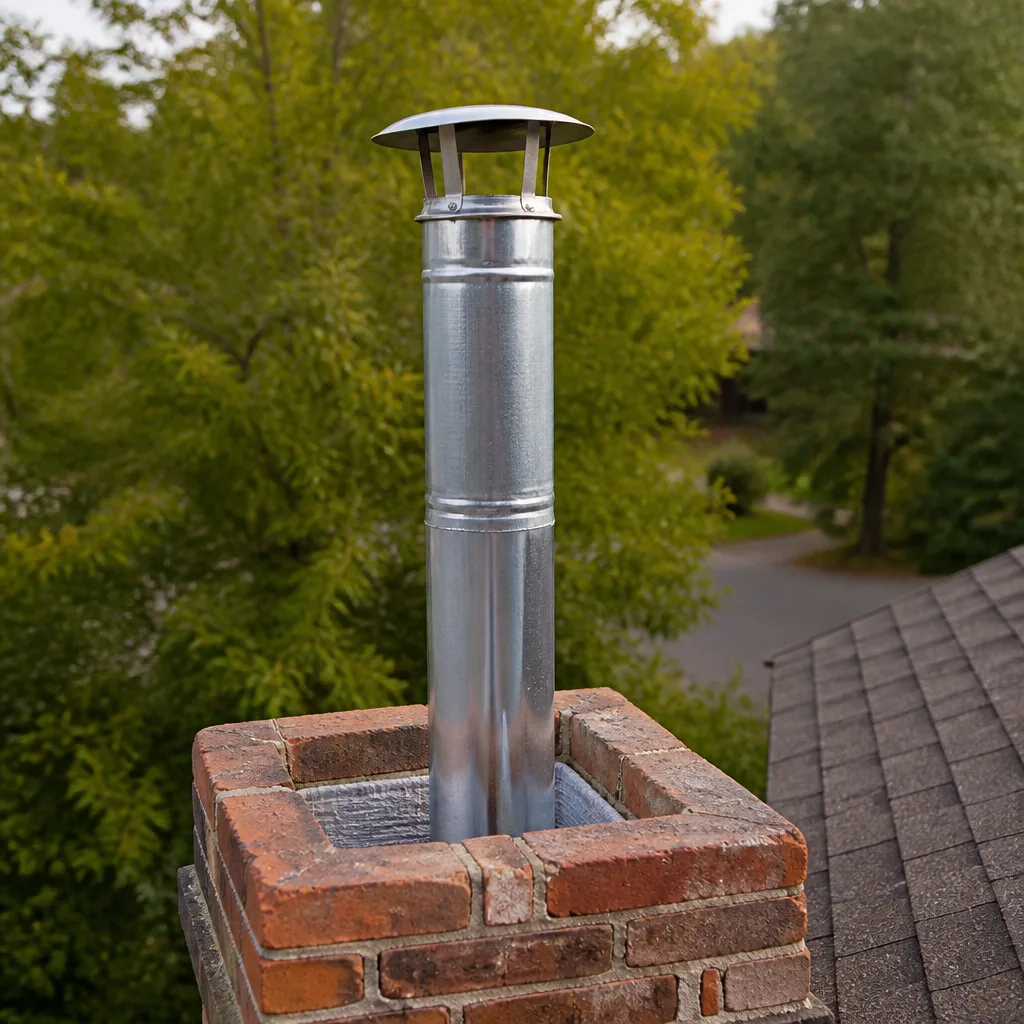 Flue relining
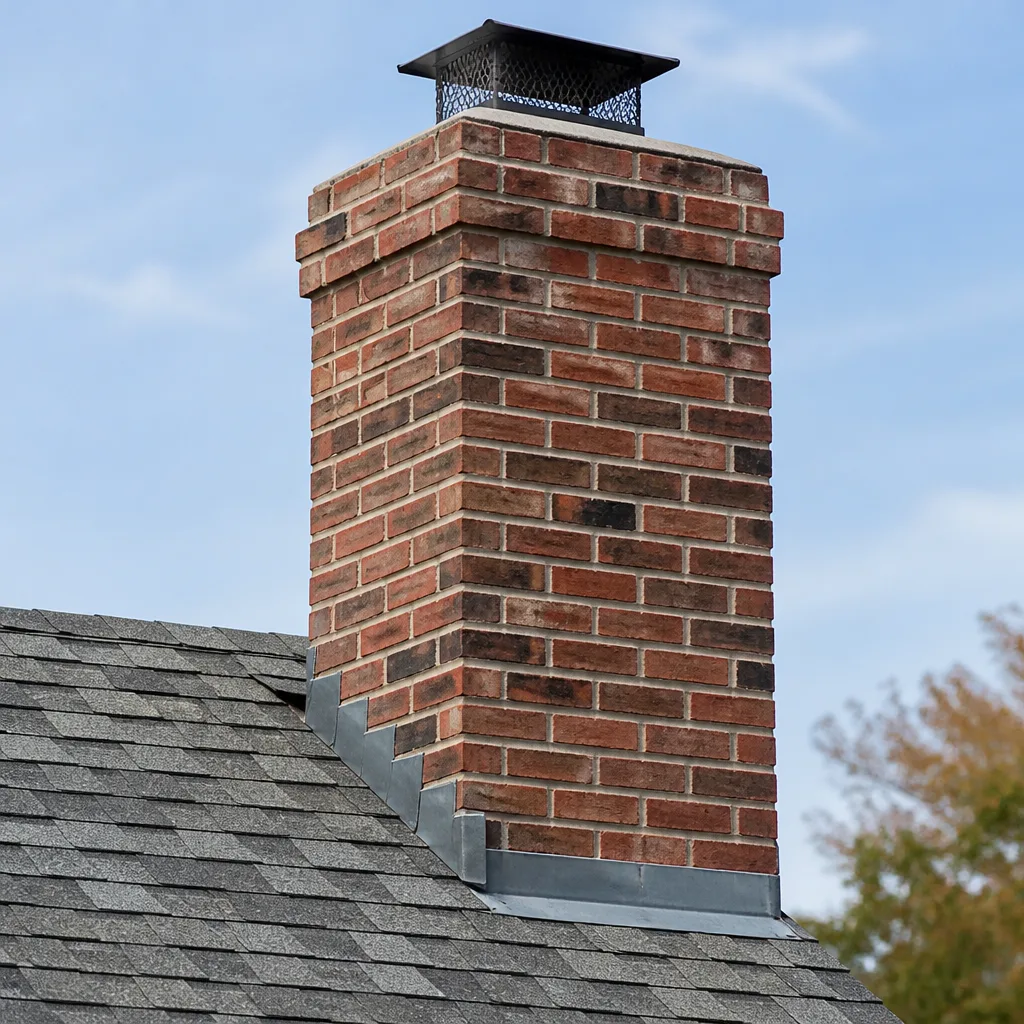 Masonry repair
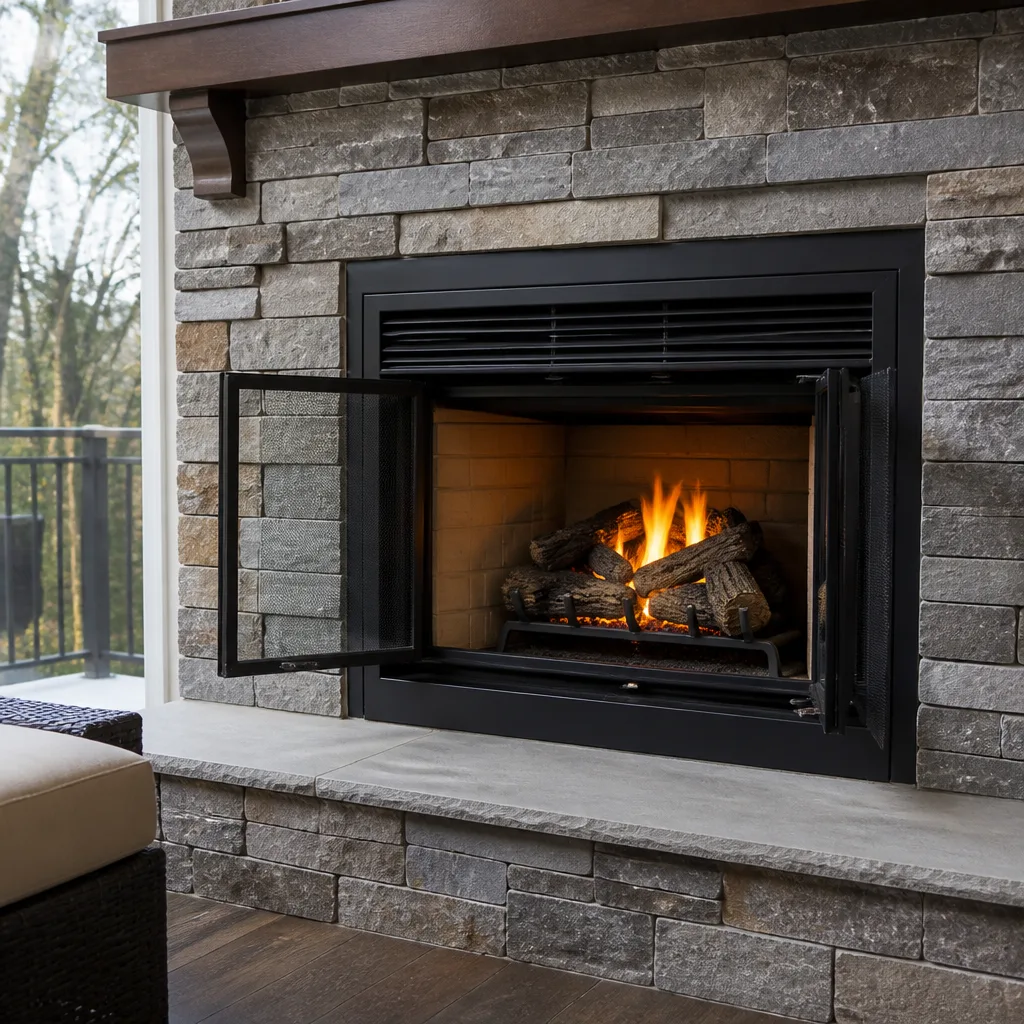 Gas fireplace service
Level 1 sweep and inspection to the NFPA 211 annual standard - flue, crown, cap, and flashing checked and photographed
Chimney sweep logs do not sweep chimneys. They loosen some creosote - which then falls where a brush and vacuum still have to collect it.
Chimney Cleaning Warning Signs: A Las Vegas Homeowner’s Reference Guide
In Las Vegas, the chimney problems that turn expensive or dangerous rarely announce themselves with drama. They start quiet: a faint white bloom on the brick, an odor that comes and goes with the weather, a fire that burns a little differently than it did last winter. Most guides focus on the obvious emergencies. This one is different. We wrote it around the earliest signals we’ve seen in Las Vegas homes since 2002, the ones homeowners dismiss for months while the underlying issue gets worse. By the time you finish reading, you’ll know which signs mean schedule a cleaning this month, which ones mean stop using the fireplace today, and which ones are actually harmless. You’ll also know when what you’re smelling isn’t creosote at all, and why that distinction matters more than most people realize.
Quick Answer
The most overlooked chimney warning sign in Las Vegas is efflorescence, a thin white mineral stain on exterior brick that signals moisture is already moving through the masonry. Other early indicators include a pungent, tar-like odor when humidity spikes, black flaky deposits visible on the damper, and subtle draft changes that make your fireplace perform differently than it once did. Any of these means your chimney needs a professional inspection, and most can be addressed with a standard sweep and minor repair before they become structural problems. For a full breakdown of what professional maintenance should include, see our Chimney Sweep Maintenance Checklist for Las Vegas Homeowners.
Styles & brands we work with
Table of Contents
- What Efflorescence on Your Chimney Exterior Actually Means
- The Three Smell Profiles: Pest, Creosote, and Moisture
- Why a Fireplace That “Works Fine” Is Not Evidence It’s Safe
- Draft Problems: Damper Failure vs. Negative House Pressure
- The Urgency Scale: Schedule This Month vs. Stop Using the Fireplace
- How the Las Vegas Climate Creates Unique Chimney Risks
- What a Professional Chimney Inspection Actually Involves
- Common Mistakes to Avoid
What Efflorescence on Your Chimney Exterior Actually Means
Walk outside and look at your chimney. If you see a white or grayish stain spreading across the brick, you’re looking at efflorescence, and it’s telling you something specific: water is getting into the masonry, dissolving salts inside the brick and mortar, and then carrying those salts to the surface as the water evaporates. The stain is the salt residue left behind. This is not a desert aesthetic. It’s evidence of a moisture pathway that has been active long enough to move minerals through the structure of your chimney.
Homeowners in Las Vegas sometimes assume the dry climate protects chimneys from water damage. Our inspections regularly show the opposite. Monsoon season hits hard here between July and September, with intense rains that can drive water into hairline cracks that have been widened by years of thermal cycling, the dramatic swing between scorching daytime heat and cooler desert nights. A single heavy monsoon storm can force more water into vulnerable masonry than six months of light rain would in a wetter climate, because the water arrives fast and the baking sun dries it quickly, leaving the salts behind as visible evidence. The white stain is the fingerprint of that cycle.
Efflorescence itself is primarily cosmetic, but ignoring it is not. The same moisture pathway that creates the stain is slowly dissolving the mortar joints, and over time that leads to spalling, the flaking and crumbling of brick faces that requires masonry repair rather than simple repointing. Water reaching the flue liner can also accelerate corrosion in metal components and degrade the liner’s integrity. If you see white staining, the right move is a Level 2 chimney inspection to identify where the water is entering. In many Las Vegas homes, the fix is straightforward: sealing the crown, repointing a section of mortar, or installing a properly fitted chimney cap. But you need to know the entry point before choosing the fix, and that’s what the inspection provides.
We’ve addressed this on hundreds of Las Vegas chimneys since 2002, and the pattern is consistent. Homes in older neighborhoods like Paradise Palms and McNeil Estates frequently show efflorescence after a decade or two of monsoon exposure, especially where original caps have rusted through or crowns were never properly sloped. Newer construction in Summerlin and Inspirada has its own version of the problem: mortar that cures too fast in the desert heat, leaving micro-cracks from day one. Either way, the white stain is your earliest warning. It shows up months or years before the brick starts flaking, which makes it one of the cheapest problems to fix and one of the most expensive to ignore.
Read more about our full inspection process on the Chimney Inspection in Las Vegas page, where we explain what each level of inspection covers and what you should expect from a thorough evaluation.
The Three Smell Profiles: Pest, Creosote, and Moisture
Smells are the most common reason Las Vegas homeowners pick up the phone, and they’re also the most misdiagnosed. People assume every bad odor from a fireplace is creosote. That assumption leads to the wrong fix. Here are the three distinct smell profiles we encounter most often in Las Vegas chimneys, and what each one tells you.
The Pest Smell: Sweet and Musty
A pest-related blockage produces a smell that’s distinctly organic, sweet and musty at the same time, like damp straw that’s been sitting in a closed shed. In Las Vegas, the culprits are almost always birds, primarily pigeons and sparrows, which build nests inside uncapped chimneys during the spring, or rodents seeking shelter during the brief cold snaps. This smell is usually strongest near the fireplace opening itself and often intensifies after rain, when moisture reactivates the biological material in the nest. It’s not a smoke hazard by itself, but the nest is. Nests sit directly against the flue liner and ignite at a much lower temperature than creosote does. If you smell this, do not use the fireplace until the blockage is removed and a proper cap is installed. The smell is your warning that flammable material is sitting inside your flue.
The Creosote Smell: Pungent and Tar-Like
Creosote has a smell that’s hard to mistake once you know it: sharp, acrid, and chemical, similar to fresh asphalt or a heavily used campfire that’s been doused. It’s strongest when the air is humid or when your air conditioner kicks on and pulls air down through the chimney. In Las Vegas, we notice creosote odor complaints spike in July and August, not because the fireplace is being used, but because monsoon humidity activates the creosote deposits that accumulated during winter burning. The smell is your signal that the creosote layer has built up enough to start off-gassing. Creosote is the tar-like byproduct of wood combustion, and it’s the material responsible for most chimney fires. If you smell creosote strongly enough to notice it, scheduling a sweep is the right call-you’re smelling the fuel that hasn’t burned yet. Our Complete Guide to Chimney Cleaning in Las Vegas explains exactly what happens during that service.
The Moisture Smell: Damp and Earthy
A moisture problem produces a damp, earthy odor, like wet concrete or a basement after rain, even though Las Vegas homes rarely have basements for comparison. It’s most noticeable in the room where the fireplace is located and tends to worsen after heavy rains. This smell indicates water is entering the chimney system somewhere, usually through a cracked crown, damaged flashing, or failed chimney cap. The water soaks into the masonry, fosters mildew growth inside the flue, and eventually accelerates liner deterioration. Unlike the pest smell or the creosote smell, the moisture smell signals a structural issue rather than a cleaning issue. A sweep will remove the organic buildup, but the water entry point has to be sealed or the smell returns.
Here’s a practical way to think about it. If the smell is sweet, look for pests. If it’s sharp and chemical, think creosote. If it’s damp and earthy, think water entering the system. Each one points to a different fix, and most require a professional chimney sweep to diagnose properly. For a deeper look at what we remove during a standard cleaning and how we handle each of these issues, see our Chimney Sweep in Las Vegas service page.
Why a Fireplace That “Works Fine” Is Not Evidence It’s Safe
This is one of the most persistent beliefs we encounter in Las Vegas homes, and it’s worth addressing head-on. The reasoning usually sounds like this: “I’ve used this fireplace for eight years, never had a problem, so it must be fine.” Fireplaces are remarkably good at hiding their own deterioration. The fire burns. The smoke goes up. Nothing visibly goes wrong. But what’s actually happening inside the flue over those years tells a very different story.
Here’s what accumulates in a low-use flue over time, and why DIY vs professional chimney cleaning is a decision worth understanding before you start. Stage one creosote forms as a light, flaky soot that looks harmless and brushes away easily. But every burn cycle adds another thin layer, and the heat of each fire bakes the previous layers, causing them to harden and condense. After enough cycles, you’re looking at stage two creosote, a tar-like glaze that actually requires professional tools to remove. In a fireplace that’s used only a handful of times each winter, this process takes years, but it doesn’t stop. Meanwhile, the chimney is also collecting whatever the Las Vegas wind brings in through an open damper: dust, debris, the occasional bird that found its way past a missing cap guard. All of it is sitting in the flue, waiting for the next fire.
The other thing that “works fine” hides is the condition of the flue liner itself. Clay tile liners crack over time, especially in a climate with Las Vegas’s temperature swings. Each heating and cooling cycle stresses the tiles microscopically, and eventually a crack forms. A cracked liner allows heat and combustion gases to reach the masonry around the flue, which is a genuine fire hazard. But the fireplace doesn’t know the liner cracked. It keeps drawing air, keeps burning wood, keeps sending smoke up the chimney. Nothing about the user experience changes until there’s a problem that’s already serious.
In our experience, the homeowners who end up with the most expensive repairs are frequently the ones who used their fireplace successfully for the longest time without an inspection. The problems had years to compound. Meanwhile, homeowners who schedule an annual sweep catch the creosote at stage one, catch the hairline cracks before they widen, and catch the missing cap before the first nest is built. The cost per visit is modest, especially compared to the cost of relining a chimney or repairing fire-damaged masonry.
We work routinely with professional-grade materials for repairs we find during inspections, including HeatShield resurfacing systems and DuraFlex liner systems for situations where a full liner replacement is needed. The brands matter because they’re what chimney professionals specify, not what’s cheapest on a hardware store shelf. But the most important step is knowing what’s actually happening inside the flue, and the only way to know that is to look.
Draft Problems: Damper Failure vs. Negative House Pressure
When smoke spills into the room instead of rising up the chimney, most Las Vegas homeowners assume the damper is broken. Sometimes they’re right. But there’s a second cause that’s increasingly common in Las Vegas new construction, and it requires a completely different fix. Knowing the difference before you call for service will save you time, money, and frustration.
How to Tell the Difference
A failed damper is straightforward to diagnose. The damper is the metal plate just above the firebox that opens and closes the flue. When it fails, it usually does so in one of two ways: the plate rusts through or seizes in a partially closed position, or the handle mechanism breaks so the plate can’t be positioned correctly. If your damper is rusted, stuck, or visibly damaged, that’s almost certainly your draft problem. If the damper opens and closes smoothly and sits fully open when you burn, the problem is probably something else.
Negative house pressure is a different animal entirely, and it’s showing up more often in Las Vegas homes built in the last 15 to 20 years. The issue is this: modern homes are sealed tightly for energy efficiency. When exhaust fans run, whether it’s the kitchen range hood, the bathroom fans, or the clothes dryer, they’re pulling air out of the house. In a tightly sealed home, that creates negative pressure inside, meaning the house itself starts pulling air in from wherever it can, including down through the chimney. The result feels like a draft problem: smoke doesn’t rise properly, the fire struggles, and sometimes the room gets smoky before the flue warms up enough to establish a proper draw.
How to Test Which One You Have
- Inspect the damper. Open it fully and check for rust, warping, or a broken handle mechanism. If it’s visibly compromised, that’s your likely culprit.
- Try the window test. On a day when your fireplace is not in use, turn on every exhaust fan in the house. Hold a lit match or lighter near the fireplace opening. If the flame is pulled into the fireplace, your house is actively pulling air down the chimney, which is the signature of negative pressure.
- Repeat with fans off. If the flame still pulls in strongly, the problem is likely the chimney itself: a blockage, a cold flue, or an improperly sized flue relative to the firebox opening.
- Compare the results. If the fireplace draws fine when the fans are off but backdrafts when they’re on, you have a pressure issue, not a damper issue.
Negative house pressure has solutions, but they’re different from damper repair. Some homes benefit from a make-up air vent that allows fresh outdoor air to enter the house when exhaust fans are running. Others need a top-mounted damper that creates a better seal at the flue’s exit point, which prevents the pressure differential from pulling air down the chimney when the fireplace isn’t in use. We’ve seen this issue in newer developments throughout Summerlin, Skye Canyon, and Cadence, where tight building envelopes are standard practice. It’s not a defect in your house. It’s a byproduct of energy efficiency, and the fix requires understanding the whole-house airflow picture, not just the chimney.
If you’re experiencing draft problems and can’t tell which cause you’re dealing with, this is exactly what a professional chimney inspection is designed to identify. A proper diagnosis saves you from paying for a damper replacement that won’t solve the real problem.
The Urgency Scale: Schedule This Month vs. Stop Using the Fireplace
Not every chimney warning sign demands the same response. Here’s a practical tiered guide based on what we tell homeowners in Las Vegas when they call describing a concern, and you can find more guides & resources on our blog. Use this to decide how quickly to act.
Tier 1: Schedule Within the Month
These signs indicate developing issues that should be addressed soon, but don’t require immediate shutdown of the fireplace. Schedule a cleaning or inspection and get it handled before the next cold snap, or before monsoon season if moisture is involved.
- Efflorescence on exterior brick (the white mineral staining discussed above). The moisture pathway exists, but the damage is still early-stage. A month of waiting won’t meaningfully change the repair scope.
- Mild creosote odor that’s noticeable but not overwhelming. The creosote is building up and starting to off-gas, but if the fire burns cleanly and the damper functions, you have time to schedule a sweep.
- Light smoke spillage on cold starts that resolves once the flue warms up. This suggests early-stage draw issues that a cleaning or minor repair will address.
- Visible soot flecks falling into the firebox when the fire is burning. This is often loosened creosote or debris and indicates a cleaning is due, but is not necessarily urgent.
- Damper that’s stiff but functional. If it opens and closes with effort and seals reasonably well, a lubrication or minor adjustment is on the horizon, not an emergency.
- Evidence of past water staining inside the firebox without ongoing moisture. The source may have been addressed, but the flue should be evaluated to confirm.
Tier 2: Stop Using the Fireplace Until a Professional Arrives
These signs indicate a condition that makes continued use genuinely unsafe. Do not light another fire until a sweep has inspected the chimney and cleared it for use.
- Strong, sharp creosote odor that fills the room even when the fireplace hasn’t been used in weeks. The creosote layer is thick enough to represent a chimney fire risk.
- Sweet, musty pest smell coming from the chimney. A nest is likely inside the flue and represents an immediate ignition hazard.
- Smoke entering the room during normal operation, not just on cold starts. This indicates a significant draft failure, a blockage, or a damaged flue, all of which require professional intervention before burning again.
- Visible damage to the flue liner, such as pieces of tile falling into the firebox or visible cracks in the firebox brick. The liner’s integrity is compromised and heat can reach combustible materials.
- Chunks of masonry falling or visible bulging in the chimney structure. This is a structural concern that requires immediate evaluation regardless of whether you use the fireplace.
- Strong moisture smell with visible water staining on interior walls or ceilings near the chimney. Water is actively entering the home and continuing to burn compounds the problem.
A standard chimney sweep in Las Vegas typically runs $150 to $350 before any repairs, depending on the size and condition of the flue and how long it’s been since the last cleaning. That’s the cost of staying in Tier 1. The cost of ignoring Tier 1 and arriving in Tier 2 is almost always higher, sometimes dramatically so. A relining project costs thousands. A chimney fire can cost far more. The urgency scale exists because acting on early signs is cheap insurance.
How the Las Vegas Climate Creates Unique Chimney Risks
Las Vegas is not like other markets for chimney maintenance. The Mojave Desert climate creates specific stresses on chimney systems that homeowners in wetter or more temperate regions rarely encounter. Understanding these local factors changes what you should watch for and how often you should schedule maintenance.
The first factor is temperature swing. Las Vegas routinely sees daily temperature fluctuations of 25 to 35 degrees, particularly in spring and fall. Your chimney’s masonry expands and contracts with every cycle. Over the course of a year, that’s hundreds of thermal cycles. Over a decade, thousands. Each cycle places micro-stress on the mortar joints and the clay tile liners. The damage appears slowly, a hairline crack here, a loosened mortar joint there, but the cumulative effect is why Las Vegas chimneys often show age-related deterioration sooner than chimneys in coastal climates with more stable temperatures.
The second factor is monsoon intensity. Between July and September, Las Vegas receives most of its annual rainfall in short, violent bursts. Chimney crowns, the concrete caps at the top of the chimney designed to shed water, are the first line of defense. When a crown is cracked, or was poorly sloped during construction, monsoon water enters the chimney system with force. The damage is worse here than in a city with steady, light rainfall because the water arrives all at once and then dries quickly, accelerating the efflorescence cycle described above.
The third factor is low humidity. The desert air pulls moisture out of building materials. Wood components like wood-burning fireplace surrounds and mantels dry out and crack over time. More relevant to chimney function, the extreme dryness affects mortar curing. Mortar that dries too quickly during initial construction or repair work develops micro-cracks that weren’t there when the work was done. This is a known issue in desert construction and one reason why masonry repair in Las Vegas requires contractors who understand the local conditions, not just the generic tradecraft.
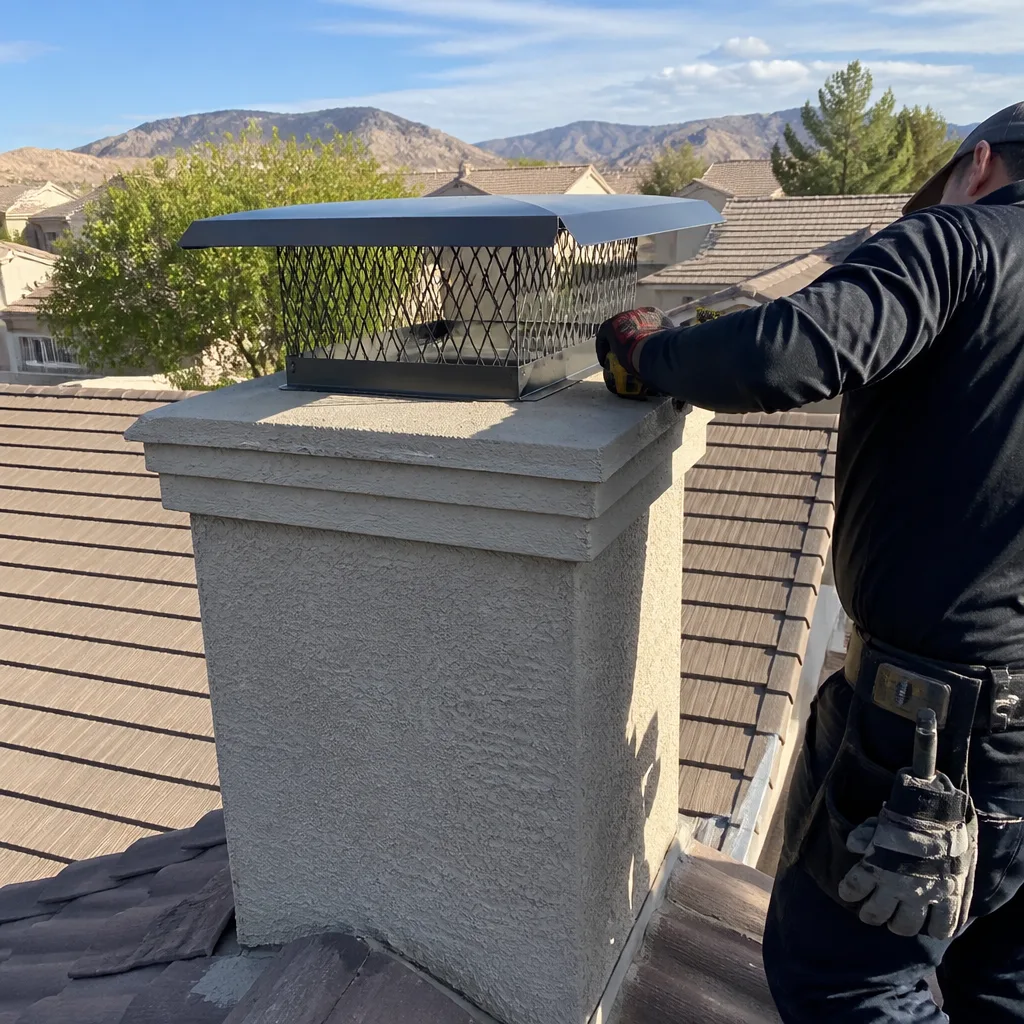
The fourth factor is wind. Las Vegas is a windy city, and wind affects chimneys in ways homeowners don’t always connect. Wind can create downdrafts that mimic draft problems. It carries dust and debris into uncapped chimneys, accelerating buildup inside the flue. And it contributes to the deterioration of exposed chimney caps and spark arrestors, which rust and fail after years of sandblasting by desert winds. If your cap has been in place for more than a decade, it’s worth a close look even if you haven’t noticed a problem. We frequently find caps that look intact from the ground but are corroded through at the mesh, and a failed cap is an open invitation for birds, debris, and water.
These climate factors are why we recommend annual inspections even for low-use fireplaces in Las Vegas. The fireplace may only burn a few times each winter, but the chimney endures the desert year-round. The maintenance schedule should reflect what the climate is doing to the structure, not just how often you light a fire.
For homeowners with gas fireplaces, the climate factors are different but no less relevant. Dust intrusion affects gas valve components and burner ports. If you have a gas unit, our Gas Fireplace Repair in Las Vegas page covers what to watch for specific to those systems.
What a Professional Chimney Inspection Actually Involves
When a Las Vegas homeowner calls about a warning sign, the first step is an inspection. Here’s what you should expect from a thorough evaluation, and what separates a real inspection from a quick visual glance.
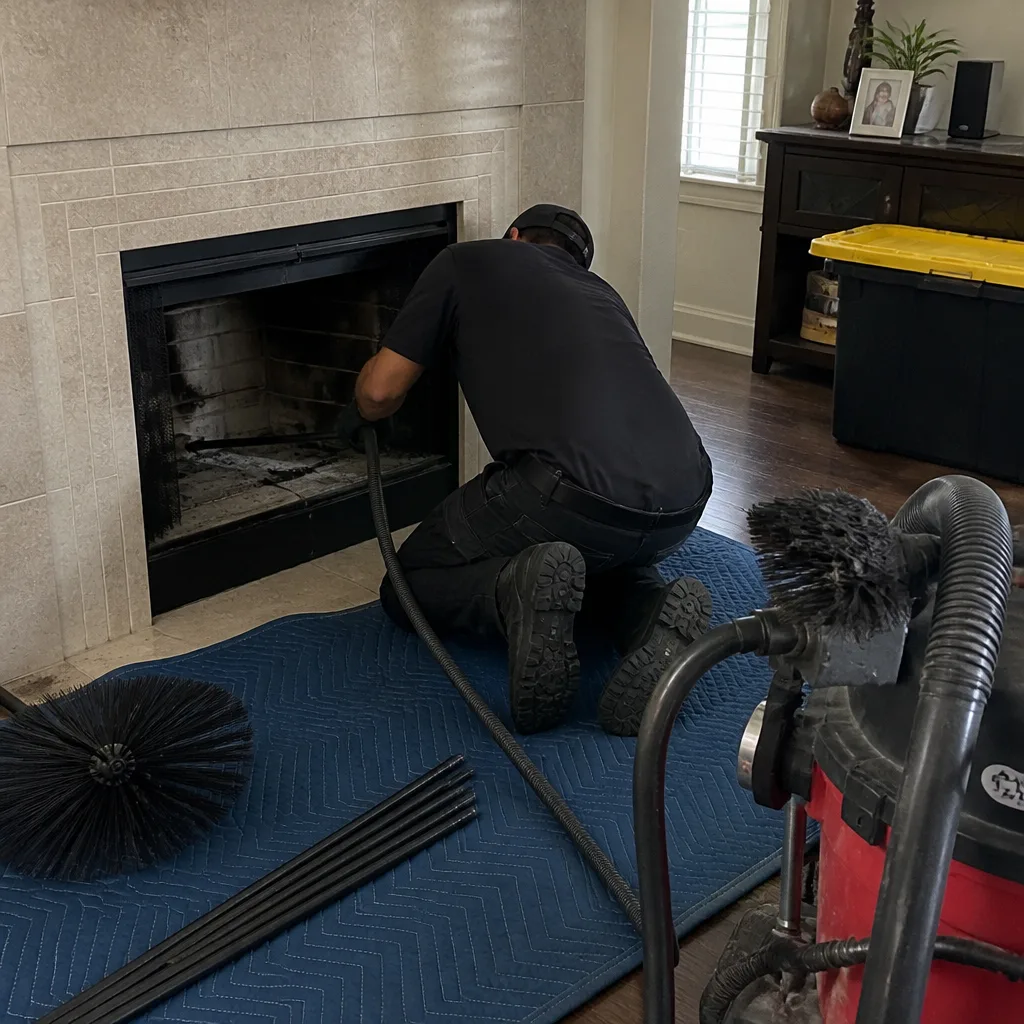
A professional chimney inspection starts on the roof, not in the living room. The sweep examines the crown for cracks and proper slope, checks the cap and spark arrestor for corrosion and blockage, and looks at the top of the flue liner for signs of deterioration. From there, the inspection moves inside: the firebox, the damper, the smoke shelf, and the visible portions of the flue are examined for creosote buildup, cracks, blockages, and water staining. In cases where the homeowner has reported moisture issues or visible exterior damage, a Level 2 inspection includes a video scan of the flue’s interior, which reveals what’s happening inside the liner that a visual inspection from the firebox cannot show.
We use a video camera inspection as part of our Level 2 evaluations for a specific reason: it gives you, the homeowner, evidence you can see. When a sweep tells you that you need a liner repair or replacement, you shouldn’t have to take that on faith. You should see the crack, the gap, the deterioration, on the screen. This is one of the ways we’ve structured our process at Alcott Chimney Las Vegas to be different from companies that diagnose from the ground with a flashlight. We show you what we found. You decide with full information.
Every inspection and repair we complete includes a written price before any work begins. That’s not a promotional offer; it’s how we’ve operated since 2002. No homeowner should be surprised by the total at the end of a service visit, and no chimney company should be asking you to approve work without knowing the cost. The written quote is standard, every time.
You’ll also know who is coming to your home before they arrive. Every technician we send to a Las Vegas home has passed a background check and identity verification as part of the Threshold Standard, and we send you the technician’s name and photo before the scheduled visit. When they arrive, they’ll have a photo ID badge that matches the person you were told to expect. This matters because you’re opening your door to a stranger, and the trustworthiness of that person should be verifiable before you open the door, not something you have to take on faith. Ruben Castellano and the team have operated this way since the company’s founding because we believe certainty about who is in your home is as important as certainty about what they’re doing there.
Every repair we perform includes a written guarantee. If the repair fails within the coverage period, the second visit is free. This is the 365-Day Done Right Promise, and it’s included at no extra charge. The guarantee applies to every repair we complete, whether it’s a crown seal, a damper replacement, a liner repair using materials like Famco or Copperfield products, or a full resurfacing job. We’re specific about the guarantee because we’ve seen too many homeowners accept vague assurances that turn out to mean nothing when a problem returns.
To start with the basics and understand the full scope of what a chimney cleaning involves in Las Vegas, you can visit our Alcott Chimney Las Vegas home page or reach us directly at (725) 227-7352.
Common Mistakes to Avoid
- Ignoring efflorescence because the fireplace still works. The white stain on your brick is telling you water is already inside the masonry. By the time the fireplace function is affected, the repair has grown months or years more expensive.
- Assuming every fireplace smell is creosote. The sweet musty smell is almost certainly a nest, and burning with a nest in the flue is a direct fire hazard. Treating a moisture smell as a cleaning issue ignores the water entry point that will continue causing damage.
- Skipping the annual inspection because you rarely use the fireplace. In the Las Vegas climate, the chimney endures thermal stress, monsoon rains, and wind-borne debris year-round. The maintenance schedule should follow the calendar, not your burn frequency.
- Attempting to diagnose a draft problem without checking house pressure. If your Las Vegas home is tightly sealed, exhaust fans may be pulling smoke into the room even though the damper and flue are in perfect working order. Replacing the damper won’t fix a pressure problem.
- Hiring a sweep who quotes over the phone without seeing the chimney. Real pricing requires seeing the condition of the flue, the height of the chimney, and the accessibility of the roof. Phone quotes are guesses, and guesses become surprise charges.
- Delaying chimney cap replacement because the old one looks fine from the ground. Desert wind and UV exposure corrode caps from the top down. A cap that looks intact from your driveway may have a mesh screen that’s completely rusted through, which is an open door for pests and debris.
- Treating a chimney sweep as optional once a fireplace “works fine.” The fireplace has no way to tell you the creosote is at stage two or the liner has cracked. The function stays normal right up until there’s a problem, and by then the problem is always more expensive to fix.
See the difference
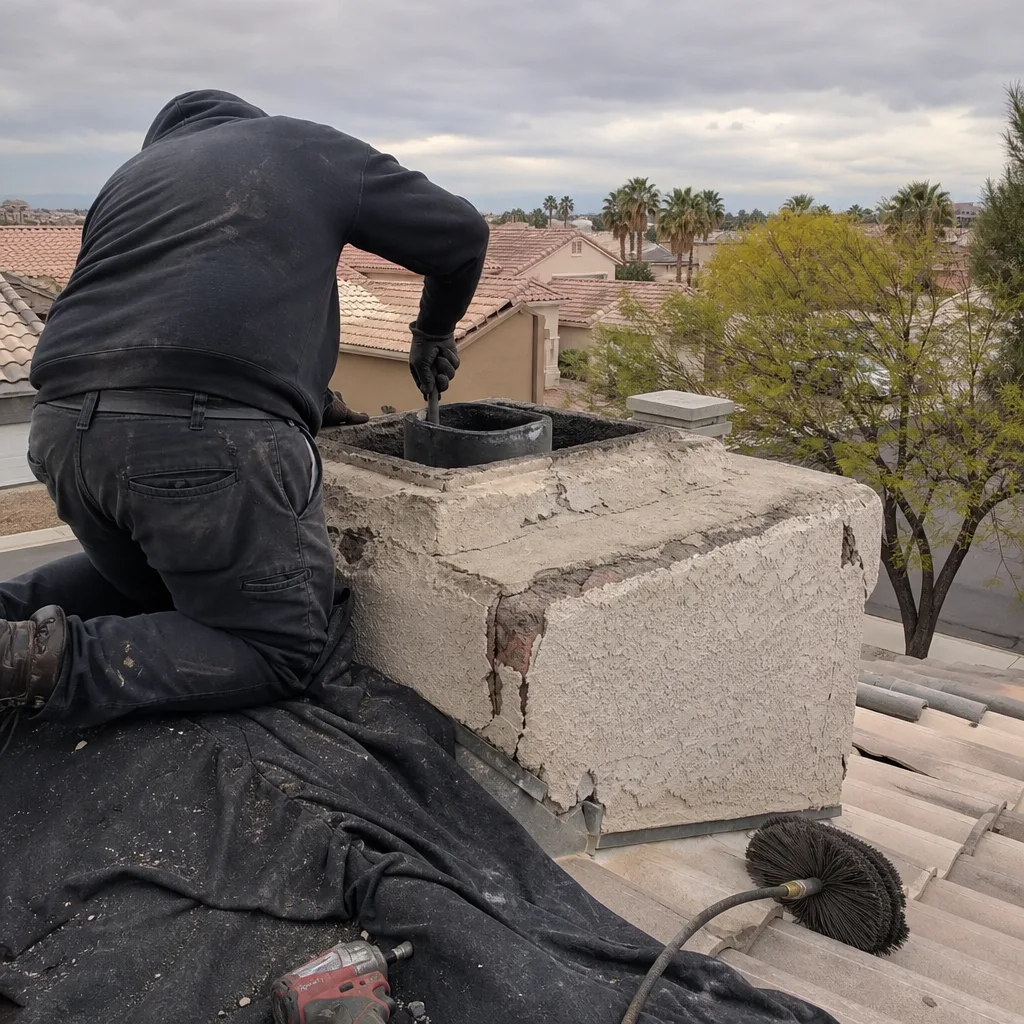 Before
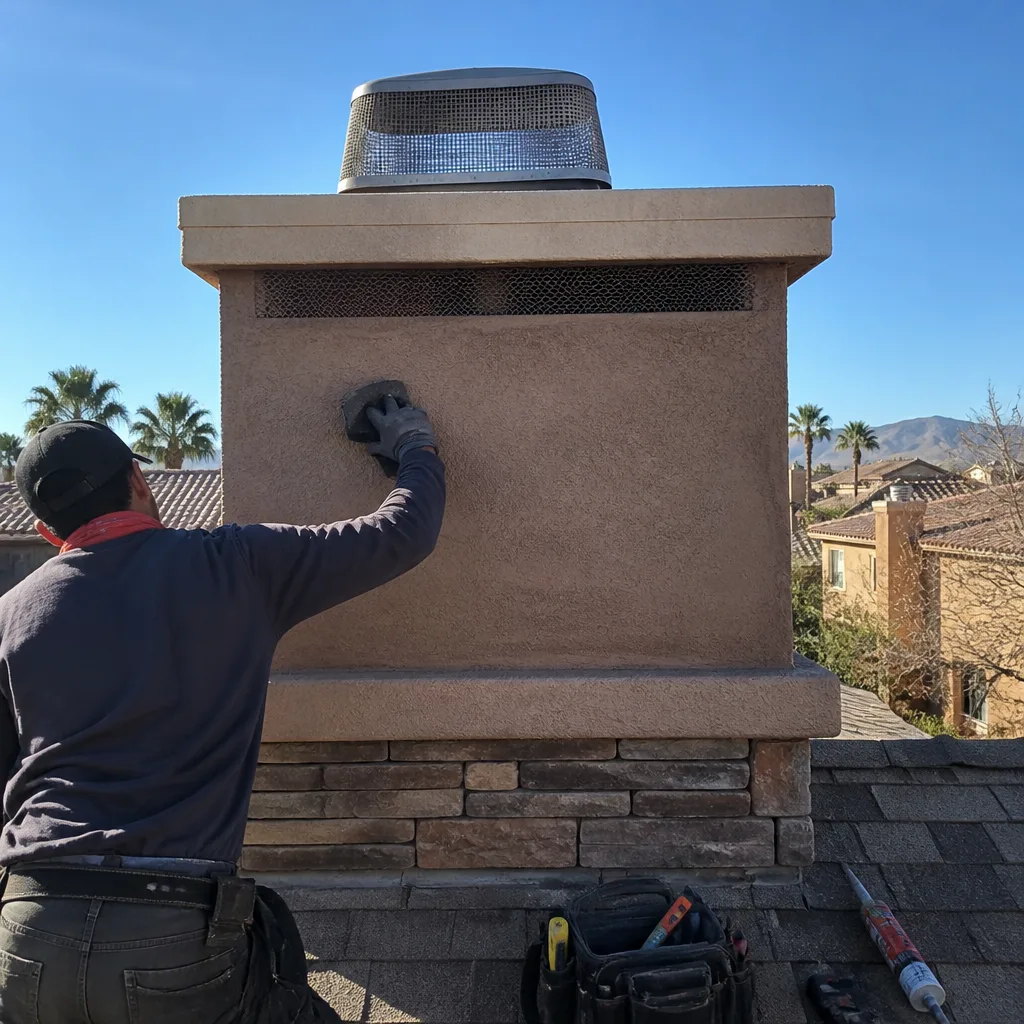 After
After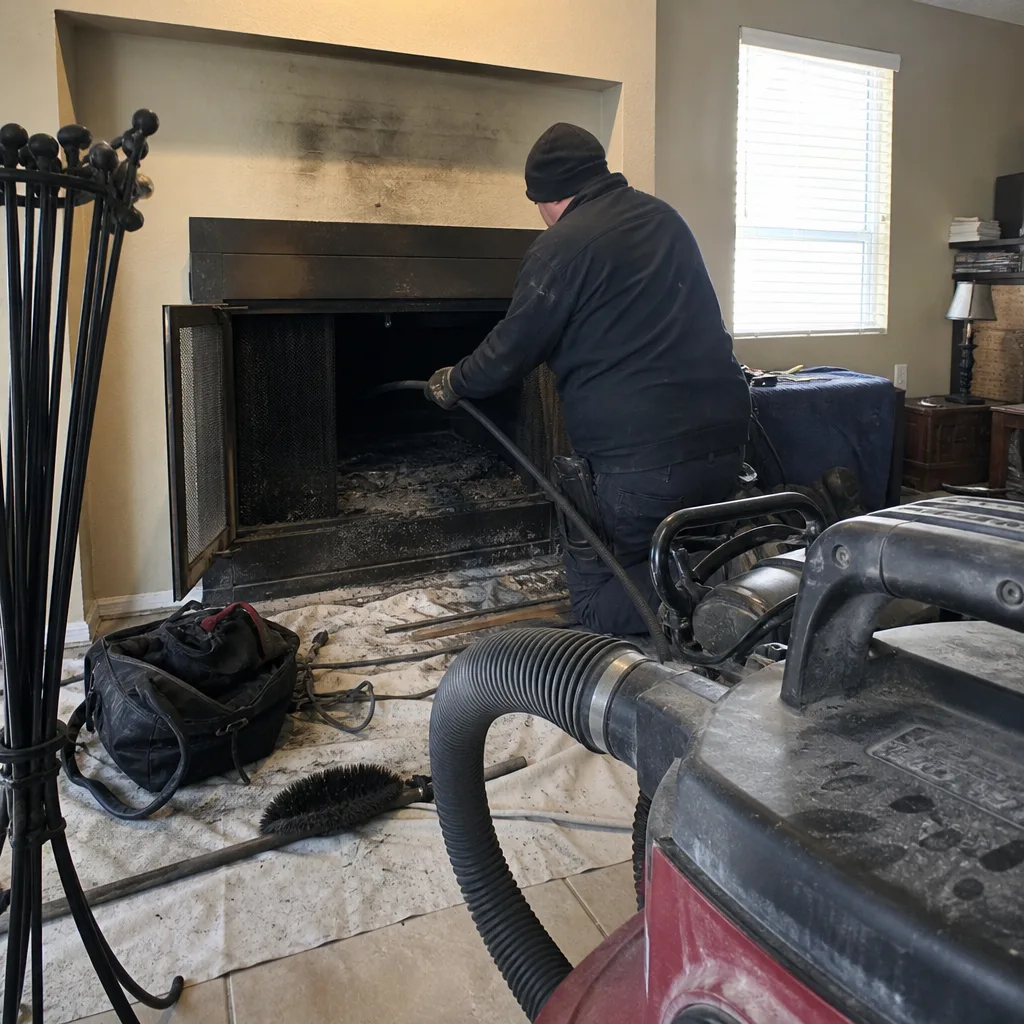 Before
 After
After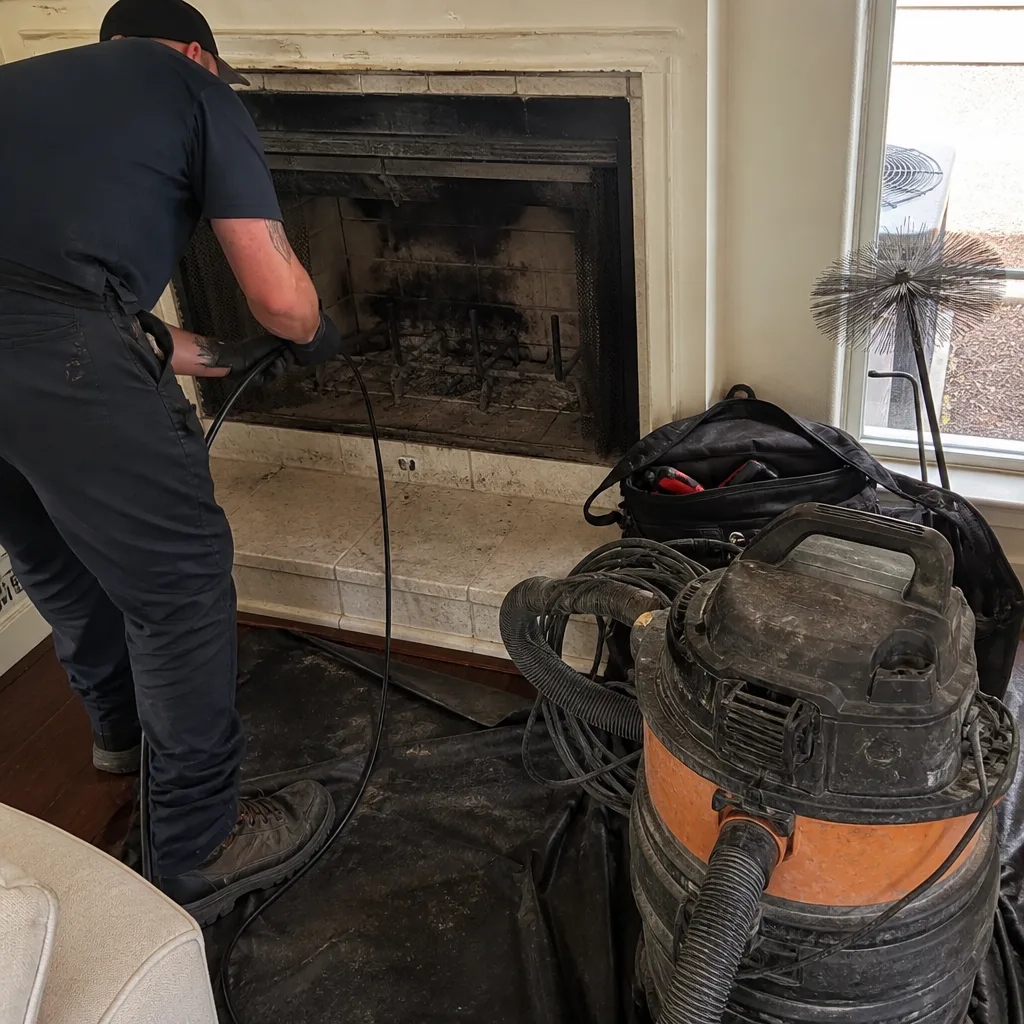 Before
 After
AfterWhen to Call a Professional
Call a professional when you notice efflorescence on the exterior brick, when you smell anything unusual coming from the fireplace, when your draft changes behavior for no obvious reason, or when it’s simply been more than a year since the last inspection. These are the moments when a professional evaluation pays for itself, either by catching an issue early or by confirming that your chimney is in good working order. If you’re seeing any Tier 2 sign from the urgency scale above, stop using the fireplace immediately and schedule an inspection.
Alcott Chimney Las Vegas offers free estimates throughout the Las Vegas area. Call (725) 227-7352 to schedule, and a live person will answer, day or night. You’ll receive a written price before any work begins, know your technician by name and photo before arrival, and have every repair backed by a written guarantee.
Frequently Asked Questions
A standard chimney sweep in Las Vegas typically runs $150 to $350, depending on the flue’s condition, its size, and how long it’s been since the last cleaning. Repairs identified during the sweep are always quoted separately, in writing, before any work proceeds. Call (725) 227-7352 for an exact quote on your chimney; estimates are free.
Once a year is the right interval for most Las Vegas homeowners, even if you only burn occasionally. The desert climate puts year-round stress on the chimney through thermal cycling, monsoon moisture, and wind-borne debris, and the annual visit catches problems while they’re still inexpensive to address. If you burn more than twice a week during the winter, a mid-season check is worth considering.
When your AC runs, it can create a pressure differential that pulls air down through the chimney, and that air carries whatever odor is inside the flue into your living space. The smell itself tells you what’s in there: sharp and chemical means creosote, sweet and musty means a nest, damp and earthy means water intrusion. Each has a different fix, and each warrants a professional inspection.
Not necessarily. The only way to know is to see the liner’s actual condition, which requires a video inspection. If the liner has hairline cracks but is otherwise intact, a resurfacing system like HeatShield may be a practical fix at a fraction of the cost of full replacement. If the liner is severely deteriorated, a DuraFlex liner system is the right call. You should be shown the evidence before you’re asked to approve either path.
Creosote continues to accumulate in the flue, and each burn cycle bakes it into a harder, more dangerous form. Moisture pathways widen unchecked. Small cracks grow into larger ones. Nests go unnoticed until they ignite. The chimney’s decline is invisible from the living room, and by the time you notice a problem, you’re usually paying for a repair that years of maintenance would have prevented. The annual sweep in Las Vegas is the cheapest form of chimney insurance available.
Yes. In fact, a long-unused fireplace is often in worse condition than one that’s burned regularly, because the lack of heat means moisture goes unaddressed and pests have had uninterrupted time to move in. Inspection is the first step regardless of when you last used the fireplace, and it’s the same process whether the chimney has been dormant for five months or five years. Call (725) 227-7352 to schedule. You’ll get a written price before the visit.
The Bottom Line
Las Vegas chimneys don’t fail overnight. They decline gradually, in ways that are detectable months before the damage becomes serious, if you know what to look for. Efflorescence on the brick is the earliest and most ignored signal. Smell profiles distinguish between pest intrusion, creosote buildup, and moisture damage, each with its own fix. A fireplace that still works is not evidence of safety. Draft problems may originate in the house, not the chimney. And the urgency scale exists so you know when to schedule and when to stop burning.
The warning signs are there. The only question is whether you’ll act on them while the repair is measured in hundreds of dollars or wait until it’s measured in thousands.
Written by Ruben Castellano, Owner at Alcott Chimney Las Vegas, serving Las Vegas since 2002.