
Last updated October 15, 2026
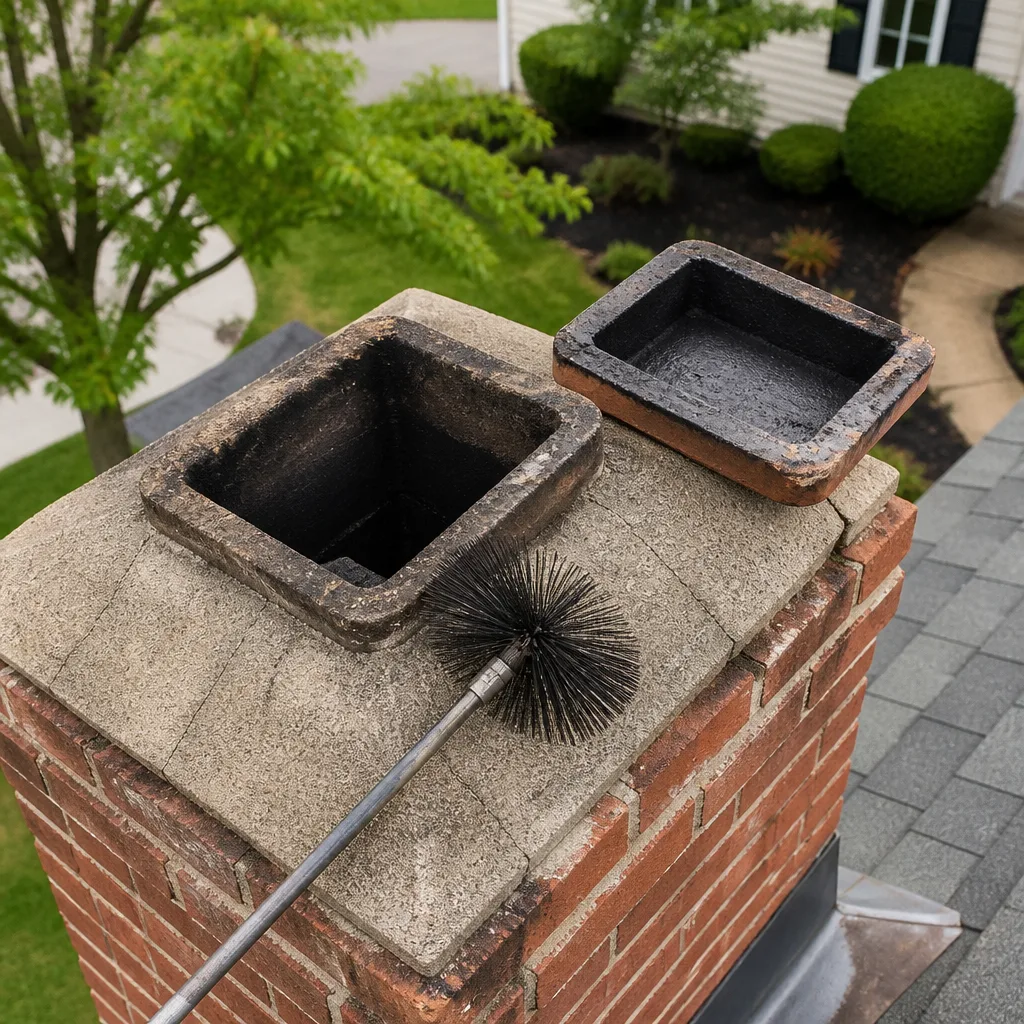 Sweep & inspection
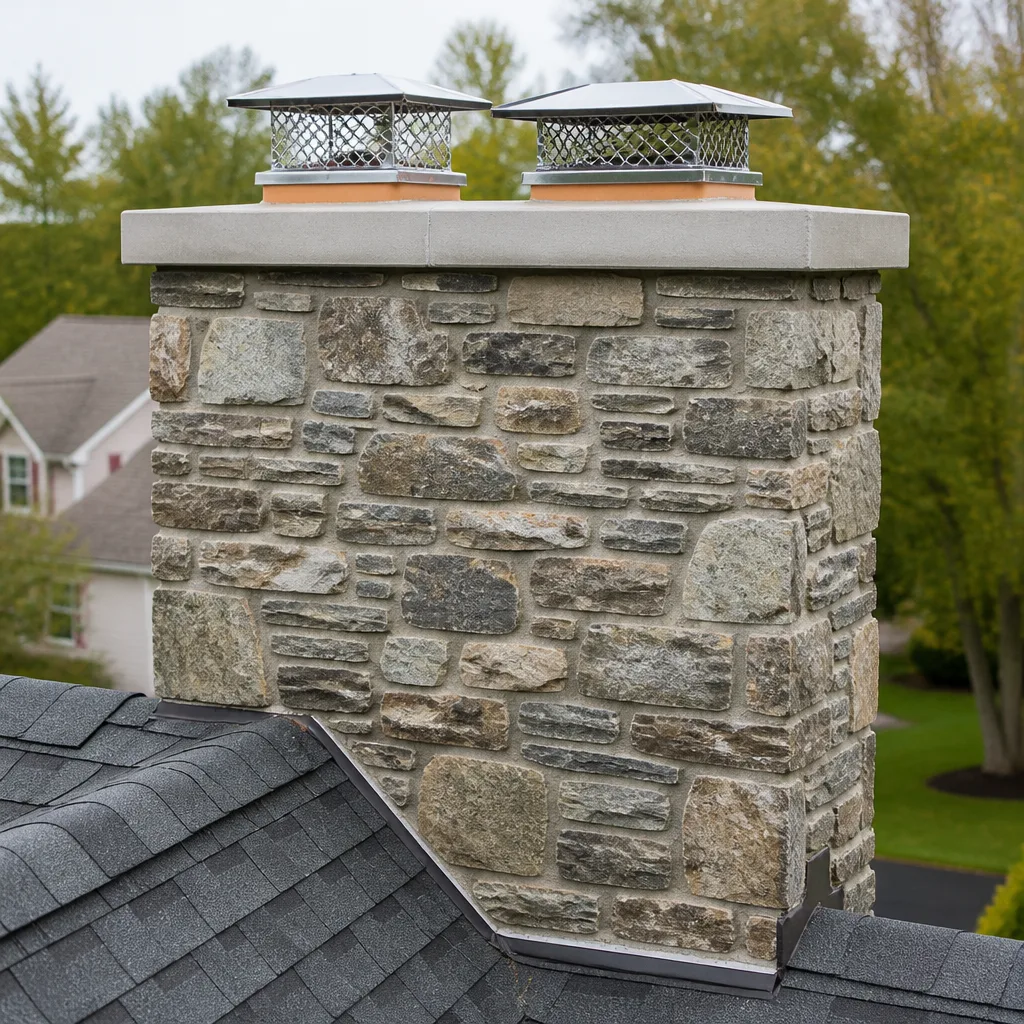 Caps & crowns
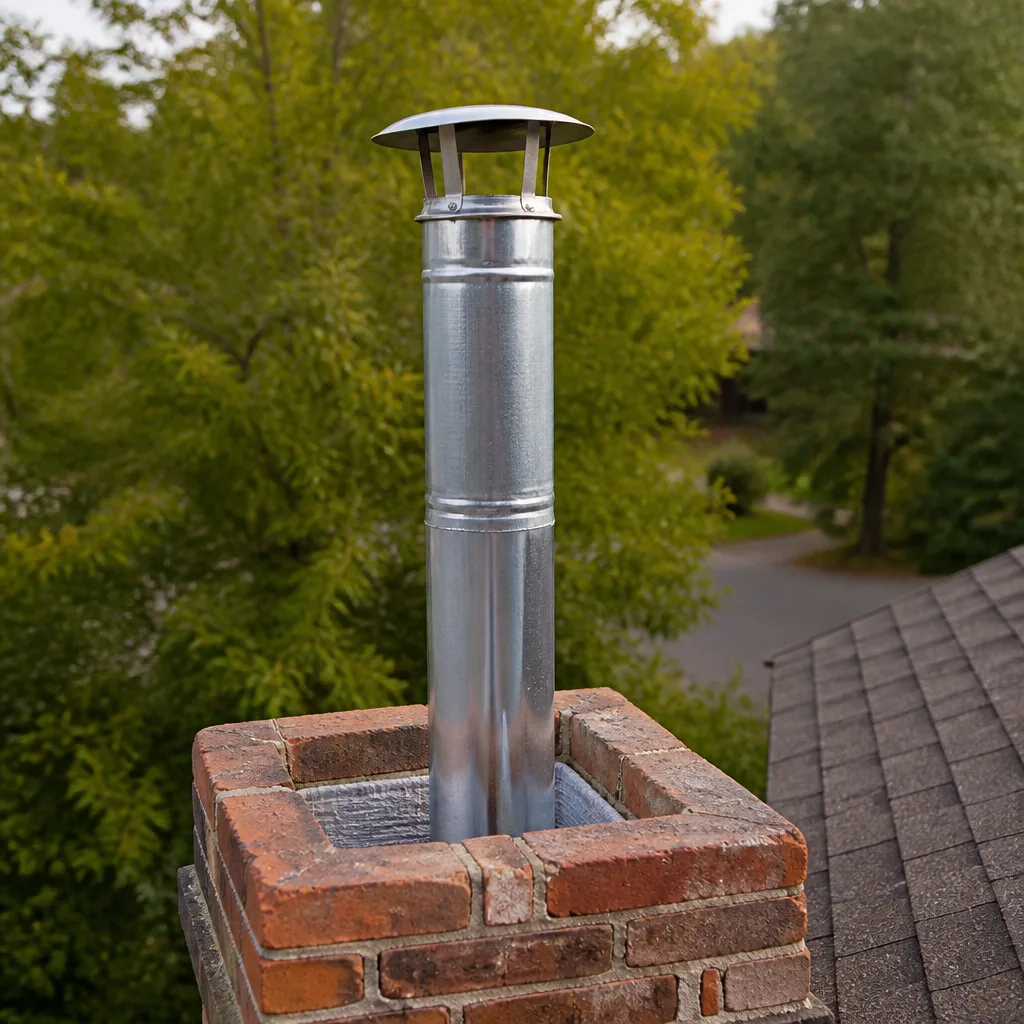 Flue relining
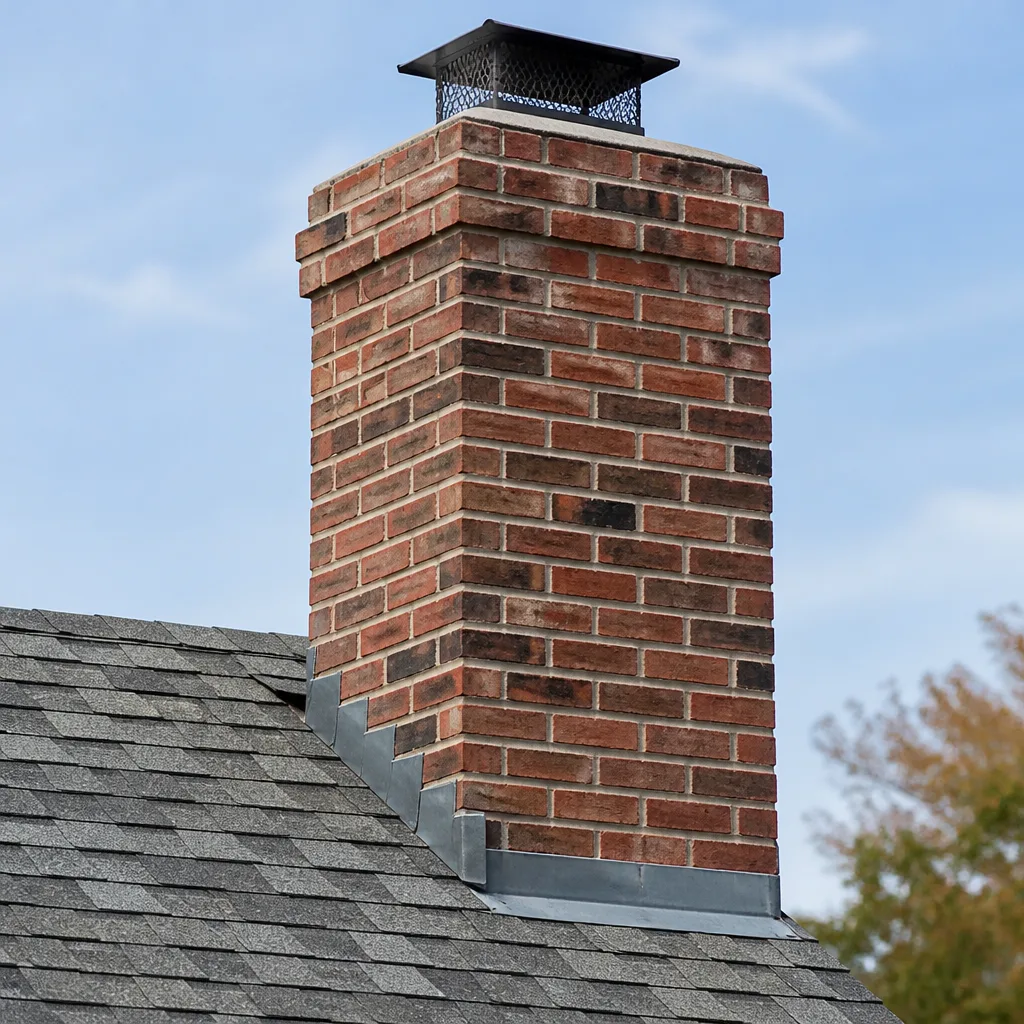 Masonry repair
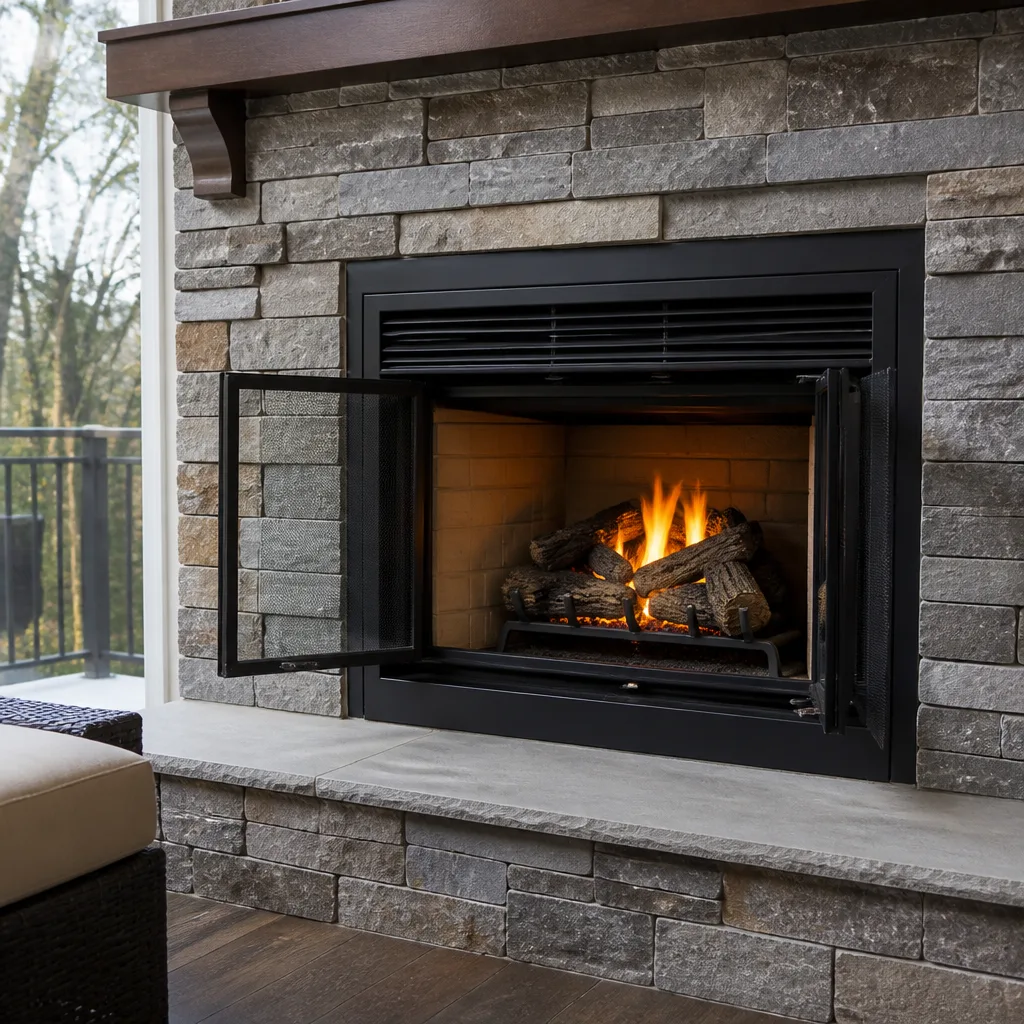 Gas fireplace service
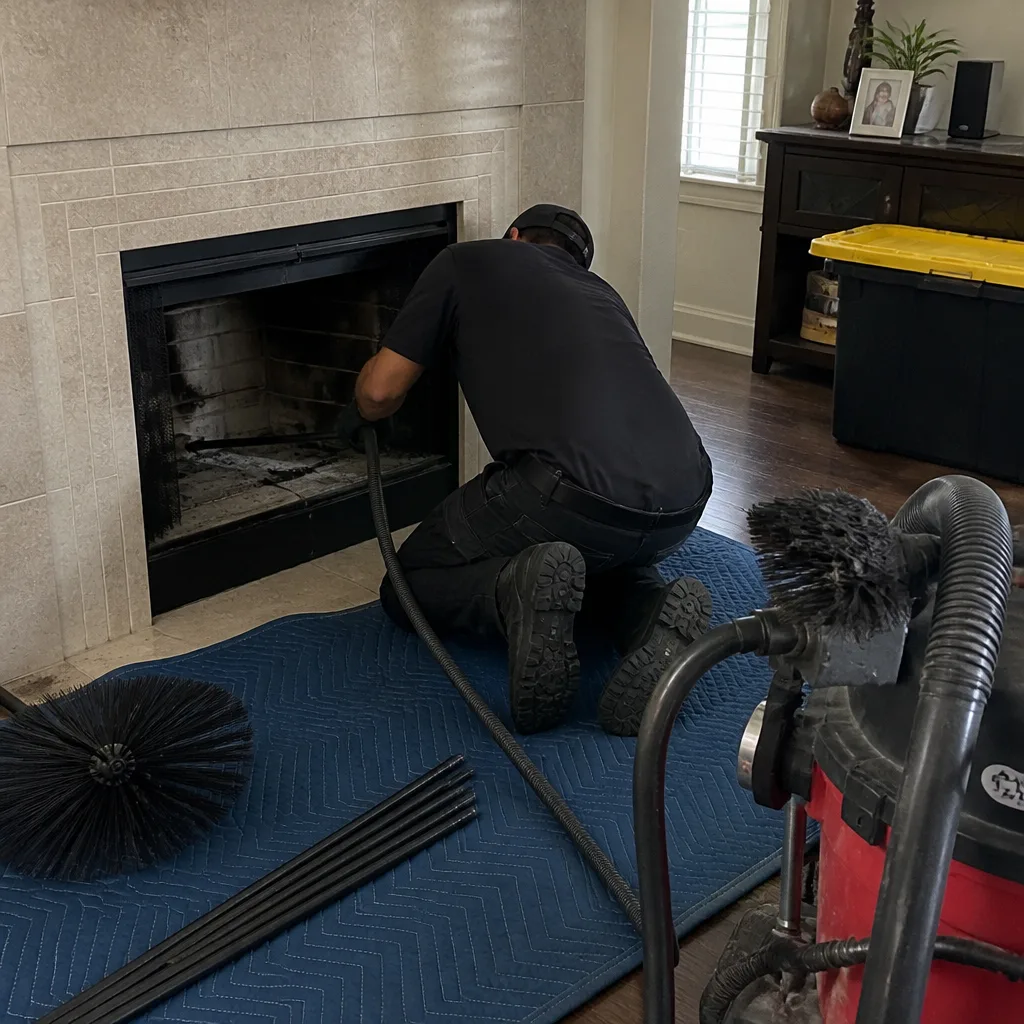
Level 1 sweep and inspection to the NFPA 211 annual standard - flue, crown, cap, and flashing checked and photographed
Chimney sweep logs do not sweep chimneys. They loosen some creosote - which then falls where a brush and vacuum still have to collect it.
Chimney Sweep Maintenance Checklist for Las Vegas Homeowners
If your chimney maintenance checklist still says “check before winter,” it was written for Cleveland, not Las Vegas – and the timing difference matters more than most people realize. A Las Vegas chimney lives a strange double life: dormant through triple-digit summers, then asked to perform perfectly on the first forty-degree night in November after months of heat, dust, and monsoon moisture. This guide is built around the actual calendar Las Vegas homeowners face, with a month-by-month task list, the three safe self-inspections you can do, and the exact point where you should stop and call a professional.
Quick Answer
A chimney sweep maintenance checklist for Las Vegas homeowners should follow the desert calendar: inspect the cap and crown in July after monsoon dust storms, schedule a professional Chimney Sweep services and inspection in September or October before the first fire, check the damper seal for heat warping before lighting anything, and do a final visual once-over in April when burning season ends. The most important task is the pre-season professional sweep, because creosote – the tar-like buildup that causes chimney fires – doesn’t care how mild your winter was.
Styles & brands we work with
Table of Contents
- The Las Vegas Month-by-Month Chimney Calendar
- Three Safe Self-Inspections (and Where to Stop)
- How to Check Your Damper Seal for Desert Heat Warping
- What a Chimney Cap Inspection Looks for After Monsoon Season
- Understanding Creosote in a Desert Climate
- Printable Owner-Record Section: Service Dates, Technician Credentials, Guarantee Terms
- What Chimney Maintenance Costs in Las Vegas
- Common Mistakes to Avoid
- When to Call a Professional
- Frequently Asked Questions
The Las Vegas Month-by-Month Chimney Calendar
Most chimney advice follows a four-season rhythm that doesn’t exist here. Las Vegas doesn’t have a slow ramp into winter; it has a hard temperature cliff. That means your chimney maintenance needs to be front-loaded into a narrow window between Labor Day and Halloween. Here’s what a realistic Las Vegas chimney year actually looks like, month by month.
January – February: You’re in the middle of burning season, which in Las Vegas typically means fires a few nights a week, not around the clock. This is when creosote accumulates fastest because the flue runs cooler on shorter, lower fires. Check the firebox for cracked refractory panels and watch for smoke that doesn’t draw upward cleanly. If you smell smoke indoors after the fire is established, that’s a draft problem, not a nuisance – call before the next burn.
March: Burning season is winding down. Many Las Vegas homeowners stop using the fireplace entirely by mid-March. This is a good time to do a visual check of the firebox while the unit is cool. Look for white or gray powdery residue, which indicates moisture intrusion rather than normal soot.
April: This is your “after the last fire” month. Once you know you’re done burning for the season, schedule your post-season inspection if you skipped the fall one, or do a thorough self-check. The goal in April is to catch any damage caused by winter’s thermal cycling before it has a whole summer to worsen. A small crack in the chimney crown becomes a big crack by August because the mortar expands and contracts daily in desert heat.
May – June: The dormant months. Your chimney isn’t being asked to perform, but it is being tested. Triple-digit temperatures bake the exterior masonry, and the differential between the sun-exposed south side and the shaded north side can stress the structure. You don’t need to do anything actively, but this is when heat warping of the damper seal becomes likely. Keep it on your radar for the fall check.
July: Monsoon season. This is the most overlooked month in Las Vegas chimney maintenance. Dust storms deposit fine silt into the flue through an uncapped or poorly capped chimney, and sudden heavy rain can test your crown and cap like nothing else. If you have a chase cover or multi-flue cap, check it after the first big storm. If you don’t have a chimney cap, July is the month that fact becomes a problem – bird nesting season peaks, and monsoon rains will pour directly into your firebox if the damper leaks.
August: The calm before the maintenance push. Schedule your professional chimney sweep now for September or early October. Las Vegas chimney companies book up fast in the fall, and you’ll get better scheduling flexibility if you call before the rush. August is also a good month to do the damper seal check described below, since the warping has had maximum heat exposure by this point.
September: The ideal sweep month. Temperatures are finally reasonable, the monsoon season is ending, and any repairs from summer damage are easiest to schedule and complete before burning urgency sets in. A professional sweep at this point removes the season’s dust, any nesting materials, and whatever creosote remains from last winter’s burning season.
October: Your pre-burn inspection month. By mid-October in Las Vegas, you might light the first fire on an unusually cool evening. Before that first fire, the flue should be clean, the damper should open and close fully, and the cap should be clear of monsoon debris. This is your go/no-go gate for the season.
November – December: Peak burning. Maintain simple habits: burn seasoned hardwoods, keep fires modest, and never burn wrapping paper, pine, or construction scraps. After each dozen fires or so, take a quick look at the smoke pattern. A healthy chimney draws smoke upward immediately. A sluggish draw over repeated burns means the flue is narrowing with creosote.
That’s the calendar. The single biggest shift Las Vegas homeowners should make is moving the “annual sweep” from the January everyone assumes to the September that actually works for this climate. By the time January arrives, you’ve already been burning for two months on whatever the flue accumulated over the previous summer.
Three Safe Self-Inspections (and Where to Stop)
You don’t need to climb onto your roof to maintain a chimney, and honestly, you shouldn’t. Steep-pitch desert roofs with clay tiles and gravel are more dangerous than most homeowners realize, and chimney work at height has no business being a DIY project. What you can do safely is inspect from the ground, from inside the firebox, and with your hand and a flashlight. Here are the three inspections that are genuinely safe, and the exact line where self-inspection should end.
1. The Ground-Level Visual
Stand in your yard, about twenty feet from the house, and look at the chimney as a structure. You’re checking for three things:
- Visible leaning or separation – any gap between the chimney and the house wall, or any tilt that wasn’t there before, is a structural red flag.
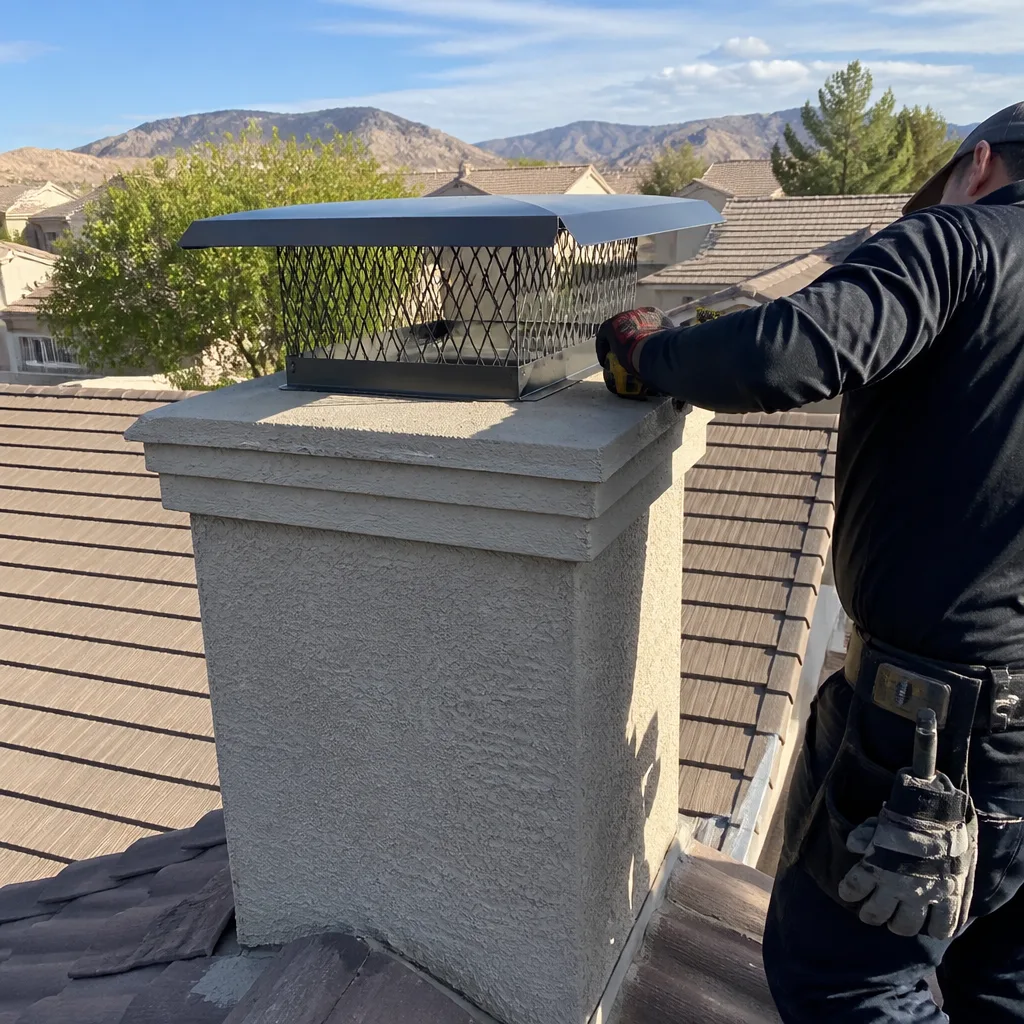
- Missing or damaged cap – a chimney cap is the metal lid with a mesh screen on top of your flue. If it’s missing entirely, that’s an open invitation to rain, birds, and monsoon debris.
- Cracked or spalling crown – the crown is the concrete slab that seals the top of the chimney structure around the flue. From the ground you can sometimes spot cracks or missing chunks. Crown damage is the leading cause of water intrusion in Las Vegas chimneys, because desert rain is infrequent but intense when it arrives.
2. The Firebox Interior Check
Open the damper fully, shine a flashlight up into the flue, and look carefully. You’re checking for:
- Flaking or peeling creosote – if you see black, shiny glaze or flaky black residue on the flue walls, that’s creosote. A quarter-inch or more of buildup is a chimney fire waiting to happen.
- Fallen debris or nesting materials – twigs, grass, or loose mortar at the bottom of the flue indicate something is coming in from the top, or the flue liner is deteriorating.
- Daylight where there shouldn’t be – in a healthy chimney, you should not see light coming through the flue walls. Light penetration means cracks in the liner or missing mortar joints.
3. The Smoke Shelf and Damper Assembly Check
The smoke shelf is the ledge just above the damper that helps direct smoke into the flue. Over years, it accumulates a layer of fine soot and dust. From inside the firebox, you can feel along the smoke shelf with a gloved hand. If you pull out a thick, greasy layer, that’s a sign of significant creosote buildup higher in the system. The damper itself should move smoothly and seat completely – see the heat warping section below for the desert-specific check.
Where Self-Inspection Stops
Here’s the line, clearly stated: if you see any of the following, stop and call a professional:
- Glazed or thick creosote – this cannot be removed safely without professional tools and training. Chemical powders and “creosote sweeping logs” don’t work on glazed creosote, and trying to chip it out yourself is how flue liners get damaged.
- Any crack, gap, or missing mortar inside the flue – a cracked flue liner isn’t a cosmetic issue. Combustion gases can enter the home through even a hairline crack.
- Water staining, white efflorescence, or rust anywhere in the firebox – water intrusion is a structural problem, not a cleaning problem.
- A chimney cap that is missing or visibly damaged – installation and repair require working on the roof, which should be left to a trained professional with proper safety equipment.
- Any evidence of animal activity – birds, rodents, and even raccoons nest in chimneys. Removal should be done by someone who knows what they’re dealing with, and the cap should be repaired to prevent re-entry.
These three self-inspections take fifteen minutes and cost nothing, and they’ll tell you whether you need to call a professional far more accurately than any generic checklist. The key is knowing what you’re looking at and when it’s beyond what a homeowner should handle. In our experience at Alcott Chimney Las Vegas, the homeowners who catch problems early are the ones who do these basic checks twice a year, without fail.
How to Check Your Damper Seal for Desert Heat Warping
Metal dampers in Las Vegas live a punishing life. The summer sun can push attic temperatures past 140°F, and that heat radiates down through the chimney structure. The metal of a traditional throat damper expands and contracts daily, and over enough summers, the flat plate can warp just enough that it no longer seals completely against its frame. You’ll notice the effect in July when cool air from your AC is escaping up the flue, and again in December when cold air is dropping down into the living room. Here’s how to check for heat warping without any tools.
- Open the damper fully and look at the plate. Use a flashlight to examine the metal plate itself. A warped damper won’t lie perfectly flat; you’ll see a slight bow or twist, often on one corner more than the others.
- Close the damper and check the edge seat. With the damper closed, run a finger along the gap between the plate and the frame in all four directions, if you can reach. A properly seated damper has a uniform, tight gap. A warped damper has a gap that varies – wide on one side, narrow or pinched on the other.
- Do the draft test. On a windy day, close the damper, then hold a piece of tissue paper or a lighter flame (carefully) in the firebox. If the tissue flutters or the flame bends consistently in one direction, air is moving through the closed damper. That means the seal has failed.
- Check for heat-induced discoloration. A damper that has been repeatedly heated to desert extremes will often show blue or purple discoloration on the metal surface. This is a sign the damper has been through enough thermal stress that warping is likely or will occur soon.
If your damper has warped, you have options. A standard replacement damper is a straightforward job for a professional. Better for Las Vegas is a top-sealing damper, which mounts at the top of the flue instead of the throat and creates a silicone gasket seal that isn’t affected by your attic’s summer heat. We install top-sealing dampers from Alcott Chimney Las Vegas home regularly for valley homeowners, and they solve two problems at once: the heat-warping issue and the energy loss up the flue during AC season.
What a Chimney Cap Inspection Looks for After Monsoon Season
The Las Vegas monsoon is not a polite suggestion; it’s a wall of dust followed by sudden, intense rain, often accompanied by winds that can top 60 miles per hour in the Summerlin and Henderson foothill areas. Your chimney cap is the first line of defense, and after a season of monsoon abuse, it deserves a close look. Here’s what a proper chimney cap inspection actually checks, in order.
Mesh condition. The wire mesh screen around a chimney cap serves two purposes: keeping animals out and spark arrest. Monsoon winds bend and tear this mesh, especially where it attaches to the cap frame. A torn mesh is an open door for birds and rodents, and we’ve pulled nests out of flues in Boulder City and Summerlin every spring that started as a small tear in August.
Attachment points. High winds stress the screws and brackets that hold the cap onto the flue. A cap that is loose will rattle in the wind, and you might hear it from inside the house. More importantly, a partially lifted cap creates a gap between the cap and the flue opening, which defeats its purpose entirely.
Debris accumulation. Monsoon dust is finer than ordinary dust, and it’s relentless. After a full monsoon season, a chimney flue can hold a quarter inch of fine silt that settles into every corner of the smoke shelf and lower flue. This dust is more than a nuisance; it absorbs moisture from the next rain and can accelerate creosote formation when mixed with winter’s combustion byproducts.
Corrosion on the cap frame. Most quality chimney caps are made of stainless steel or copper, but cheaper caps use galvanized steel that will rust in years, not decades. If your cap shows red or orange rust streaks, it’s already failing. The answer isn’t paint; it’s replacement with a cap that’s built for the task. We install Olympia Chimney and Famco caps specifically because they’re built with the stainless steel mesh and frame construction that survives Las Vegas monsoons year after year.
Water flow test. After a rain, look at your chimney chase or flue from inside the house. If you see dampness on the attic side of the chase, or water staining in the firebox, the cap isn’t redirecting water correctly. A properly installed cap sheds water away from the flue opening, not into it.
If you don’t have a cap at all, the answer is simple: install one before the next monsoon season. An uncapped chimney in Las Vegas will collect dust, rain, and animals. The fix is inexpensive compared to the liner damage and animal-removal costs that come later.
Understanding Creosote in a Desert Climate
Creosote is the tar-like residue that condenses on the inside of your flue when smoke cools before it can exit. The chemistry is universal, but the way creosote behaves in Las Vegas is not. For full details, see The Complete Guide to Chimney Cleaning in Las Vegas. Here’s what actually happens in a desert climate, and why the “burn hot fires to burn off the creosote” advice you see online is often wrong here.
Las Vegas fireplaces burn short, because the heating season is short. That means your fires are more likely to be low and smoldering rather than hot and roaring. Low-temperature fires produce more creosote per burn because incomplete combustion sends particulate-rich smoke up the flue, and a cooler flue gives that particulate more opportunity to condense. The result is that a Las Vegas chimney can accumulate a surprising amount of creosote in a small number of burning hours.
There are three stages of creosote, and only the first is manageable without professional tools:
- Stage 1 (flaky soot): A fine, dry, dusty layer. This is normal and removed by a standard chimney sweeping.
- Stage 2 (tar-like flakes): Thicker, shinier, and sticky. This requires mechanical brushing and more effort. At this stage, buildup is becoming a fire hazard.
- Stage 3 (glazed creosote): A hard, glossy coating that looks like black glass. This is the most dangerous form and cannot be removed with standard brushes; it requires chemical treatment or specialized mechanical methods. If you see shiny black walls in your flue, this is where a chimney fire becomes a real possibility, not a theoretical one.
The desert twist is this: the dry Las Vegas summer doesn’t make creosote disappear. It bakes it. A Stage 2 creosote layer left through a full summer of attic heat becomes harder and more concentrated. When burning resumes in November, that baked-on layer ignites more readily than fresh creosote would. This is one reason we recommend a professional Chimney Sweep in Las Vegas before the first burn, not after it.
If you’re wondering whether you’re burning the right fuel, the short answer is that in Las Vegas you should burn seasoned hardwood only – oak, maple, or similar – with a moisture content below 20%. Softwoods like pine produce more creosote. And never burn treated lumber, plywood, or construction debris; these release toxic compounds that creosote absorbs and that accelerate flue corrosion.
Printable Owner-Record Section: Service Dates, Technician Credentials, Guarantee Terms
We recommend every Las Vegas homeowner keep a one-page chimney record. It’s not because you need to prove anything to anyone; it’s because chimney maintenance is seasonal and spread out, and human memory is unreliable over a five-year span. Here’s what should go in that record, and below is a template you can copy into any notebook or note-taking app.
What to Log
- Service dates and what was done. Sweep, inspection, cap replacement, damper replacement, liner work – record the date and the specific service performed. This gives you a maintenance history and helps you spot patterns.
- Technician name and credentials. Write down who did the work and what you verified about them. If the company sends the technician’s name and photo before the visit, note whether the person at your door matched that identification. This is what we call the Threshold Verified standard: every technician is background-checked, identity-verified, and announced to you by name and photo before arrival. If that’s not what happened, record it.
- Guarantee terms, in writing. Every repair should come with a written guarantee that states exactly what’s covered and for how long. For example, at Alcott Chimney Las Vegas, every repair includes a written guarantee, and if a repair fails within the coverage period, the second visit is free. That’s the 365-Day Done Right Promise. Write down the coverage period and what specifically is covered, so if something fails you’re not relying on a phone conversation from three years ago.
- Findings and recommendations. Did the technician note hairline cracks that should be monitored? A cap that will need replacement in two years? Write it down. These forward-looking notes are the difference between proactive maintenance and surprise repairs.
- Receipts and warranty cards. Keep the written price you were promised before the work began, and the final invoice. If any part or system later fails, you’ll want both.
Owner Record Template
Here’s a simple format, one line per service event:
| Date | Service Performed | Technician (Verified?) | Guarantee Terms | Notes / Next Step |
|---|---|---|---|---|
| 10/14/2026 | Full sweep + Level 2 inspection | R. Castellano (photo ID shown) | Sweep: N/A. Inspection: N/A. | Monitor crown hairline crack |
| 10/14/2026 | Chimney cap replacement (Olympia Chimney) | R. Castellano | 365-Day Done Right Promise; free second visit if fails | Check after monsoon 2027 |
| 4/8/2027 | Damper seal check + firebox visual | Self-inspection | N/A | Top-sealing damper recommended |
The value of this record compounds over time. When a future technician asks “when was this last inspected?” you’ll have an answer that isn’t a guess. And if you ever sell your home, a documented chimney maintenance history is a real selling point, not a hypothetical one.
What Chimney Maintenance Costs in Las Vegas
Let’s talk numbers, because vague pricing is how homeowners get surprised at the end of a job. Here’s what you should expect to pay in the Las Vegas market as of 2026:
| Service | Typical Las Vegas Range | What’s Included |
|---|---|---|
| Standard chimney sweep (Level 1) | $189 – $289 | Full flue brushing, firebox cleaning, smoke shelf clearing, visual check |
| Chimney inspection (Level 2) | $350 – $550 | Video scan of flue interior, structural check, cap/crown assessment |
| Chimney cap supply and install | $250 – $600 | Stainless steel cap, roof work, proper fastening |
| Top-sealing damper replacement | $350 – $750 | Labor included, solves heat-warping issue permanently |
| Chimney crown repair | $450 – $1,200 | Sealant, resurfacing, or full recast depending on damage |
| Flue liner repair/resurfacing | $1,500 – $4,000 | HeatShield or similar resurfacing system; full DuraFlex liner replacement at upper end |
These ranges are ballpark for the Las Vegas metro area, but the honest truth is that your final price depends on what the inspection finds. A chimney that hasn’t been swept in ten years will cost more than one maintained regularly. That’s why we insist on a written price before any work begins at Alcott. You’ll know the cost, in writing, before a single tool comes off the truck.
The best way to control chimney maintenance costs in Las Vegas is to not skip years. A $230 sweep every September is dramatically cheaper than a $3,000 liner resurfacing in year five of neglect. It’s the same math as oil changes and dental cleanings: the routine service is cheap insurance against the deferred calamity.
Common Mistakes to Avoid
- Skipping the pre-season sweep because “we barely used the fireplace last winter.” Creosote doesn’t accumulate only from heavy use; in Las Vegas, the summer’s dust and monsoon moisture mix with even small amounts of creosote to create a more dangerous coating than the burn count suggests. Sweep before the season, regardless.
- Using a “creosote sweeping log” instead of a real sweep. These products loosen some Stage 1 creosote but do nothing for Stage 2 or glazed creosote. They can actually make things worse by leaving loosened material loose enough to ignite but not removed from the flue.
- Closing the damper before the fire is completely out. This traps carbon monoxide in the house. Embers can smolder for hours, and a closed damper turns your fireplace into a silent CO emitter while you sleep.
- Ignoring a rusted chimney cap because “it still works.” Rust on a cap is structural failure in progress. By the time the mesh actually tears or the cap lifts in a monsoon, you’ve already let in whatever the cap was keeping out. Replace at the first sign of rust.
- Waiting until November to schedule a sweep. Las Vegas chimney companies are booked solid from late October through December. If you call in November, you’ll likely be burning on an uninspected chimney before anyone can get to you. The September or early October sweep costs the same and happens when it should.
- Trusting a chimney company that won’t tell you who’s coming. Every homeowner has the right to know who will be at their door. If a company can’t or won’t tell you the technician’s name and show you a photo before arrival, ask yourself what else they’re not telling you. Our technicians at Chimney Inspection in Las Vegas visits are always announced by name and photo, and they carry photo ID at the door.
- Burning pine or firewood with visible moisture. Softwoods and unseasoned wood are the fastest route to Stage 2 creosote in a short Las Vegas heating season. Burn only seasoned hardwood with moisture below 20%, and store firewood off the ground and covered from monsoon rain.
When to Call a Professional
Some chimney problems are obvious – smoke backing into the living room, visible flames in the flue, water pooling in the firebox. But the more important skill is recognizing the quiet signs that something is wrong before it becomes loud. Call a professional if you notice any of these:
- A persistent smoky smell in the house even when the fireplace hasn’t been used in days – this usually means creosote is off-gassing into the home, or the damper isn’t sealing.
- White staining (efflorescence) on the interior firebox bricks, or water beading on the damper after rain – signs of water intrusion from a failing crown or cap.
- Flaking masonry on the exterior chimney or visible gaps between the chimney and your roofline – structural issues that will only worsen in desert heat.
- Any gas smell from a gas fireplace, even when the unit is off – this can be a gas leak and should be addressed immediately.
- A chimney fire, even a small one – structural damage happens silently, and any chimney fire warrants a professional inspection before the next burn. We also handle Gas Fireplace Repair in Las Vegas for gas units that need attention.
If you’re not sure whether what you’re seeing is normal, call and ask. Alcott Chimney Las Vegas home offers free estimates throughout the Las Vegas valley – call (725) 227-7352 and a live person will answer, any hour of the day or night. We’ll tell you plainly whether it’s urgent, something to watch, or nothing at all.
Frequently Asked Questions
Once per year, before the burning season starts in late September or early October, is the right cadence for most Las Vegas homeowners. For more guides & resources on timing your maintenance, visit our blog. The number of fires matters less than the calendar: the summer’s dust, monsoon moisture, and the previous winter’s creosote all combine in the flue, and an annual sweep clears all three before you light the first fire of the season. If you burn more than three nights a week through winter, consider a mid-season check as well.
A standard chimney sweep in Las Vegas typically runs $189 to $289 before any repairs, depending on the flue size, the amount of buildup, and whether the chimney has been maintained regularly. The inspection and report are included in that price at Alcott Chimney Las Vegas. Call (725) 227-7352 for an exact quote – estimates are free, and you’ll always receive a written price before any work begins.
Not always, and you should never take that recommendation on faith from someone who hasn’t shown you the evidence. If a company recommends a new liner, ask for the video scan footage showing the damage. A proper recommendation is backed by camera images you can see with your own eyes. We use camera inspection on every Chimney Inspection in Las Vegas visit and we’ll show you exactly what the liner looks like, on the spot, before any recommendation is made. In many cases, resurfacing with a system like HeatShield is a fraction of the cost of full liner replacement.
The short answer is that creosote accumulates, and creosote ignites. With enough buildup, a routine fire can turn into a chimney fire that reaches 2,000°F inside the flue – hot enough to crack the liner, damage the surrounding masonry, and in some cases spread into the house framing. Beyond the fire risk, skipping maintenance allows water intrusion and structural deterioration that compound year over year. The $230 sweep is the cheapest insurance policy on a Las Vegas home.
You can brush out loose soot, but a homeowner-grade brush cannot remove Stage 2 or glazed creosote, and working from the roof is genuinely dangerous. The more common DIY failure is thinking the chimney is clean because a brush went through it once, when in fact the glazed creosote and hidden flue damage remain entirely untouched. A professional sweep includes the inspection that a brush alone can never provide.
Look for three things: a written price before work begins, a technician sent to you by name and photo before the doorbell rings, and a written guarantee on any repair that states what’s covered and for how long. These are the standards we built Alcott on in 2002, and they’re the standards Ruben Castellano has held every technician to since day one. If a company can’t provide all three, keep looking.
The Bottom Line
Chimney maintenance in Las Vegas is a calendar problem, not a generic one. Sweep in September, check the cap after monsoon season in July, verify your damper seal before the first fire, and do a post-season walkthrough in April. The three self-inspections described above cost nothing and take fifteen minutes, and they’ll tell you when to call a professional before a small issue becomes a structural one. Keep an owner record with service dates, technician identities, and guarantee terms in writing. And if you want the certainty that comes from a written price, a verified technician, and a 365-Day Done Right Promise on every repair, call (725) 227-7352. We’ll send you a technician with a name, a face, and a photo ID – and you’ll know the price before the work starts.
Written by Ruben Castellano, Owner at Alcott Chimney Las Vegas, serving Las Vegas since 2002.
See the difference
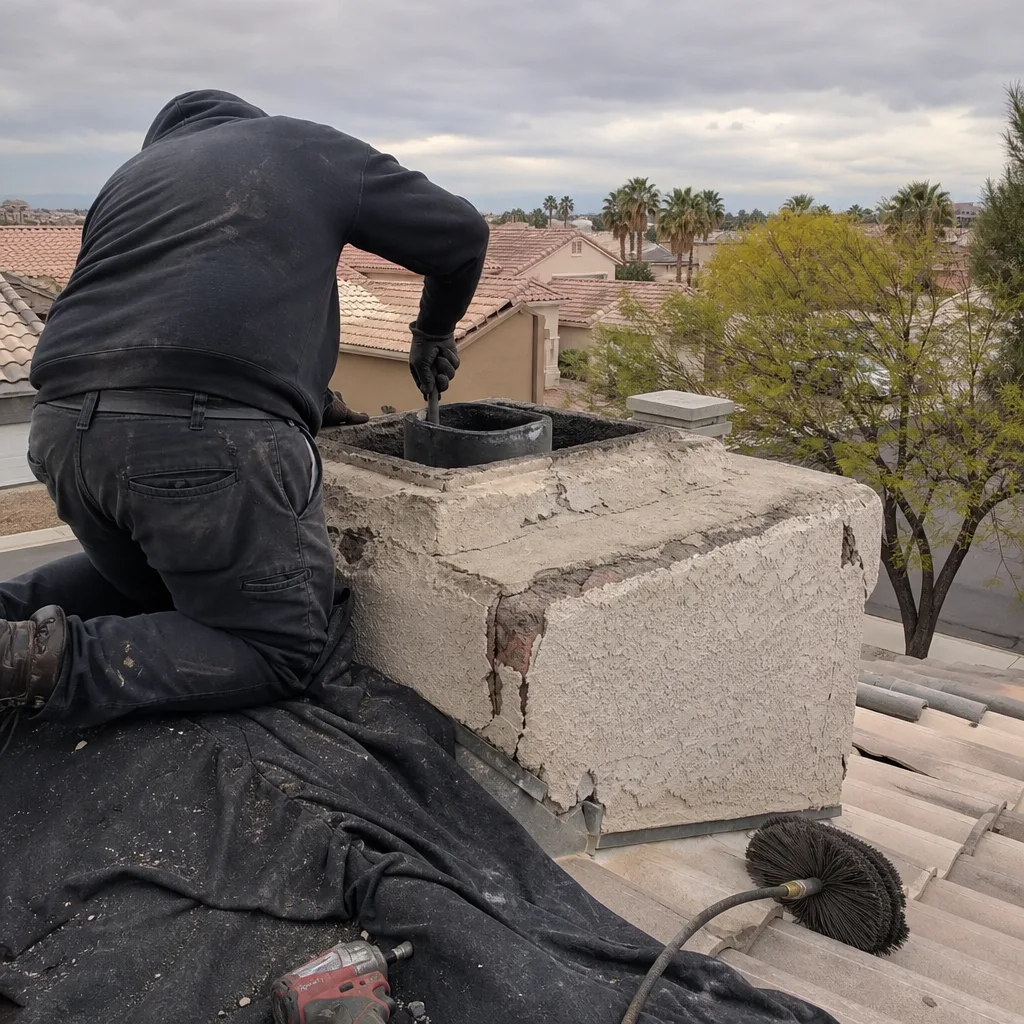 Before
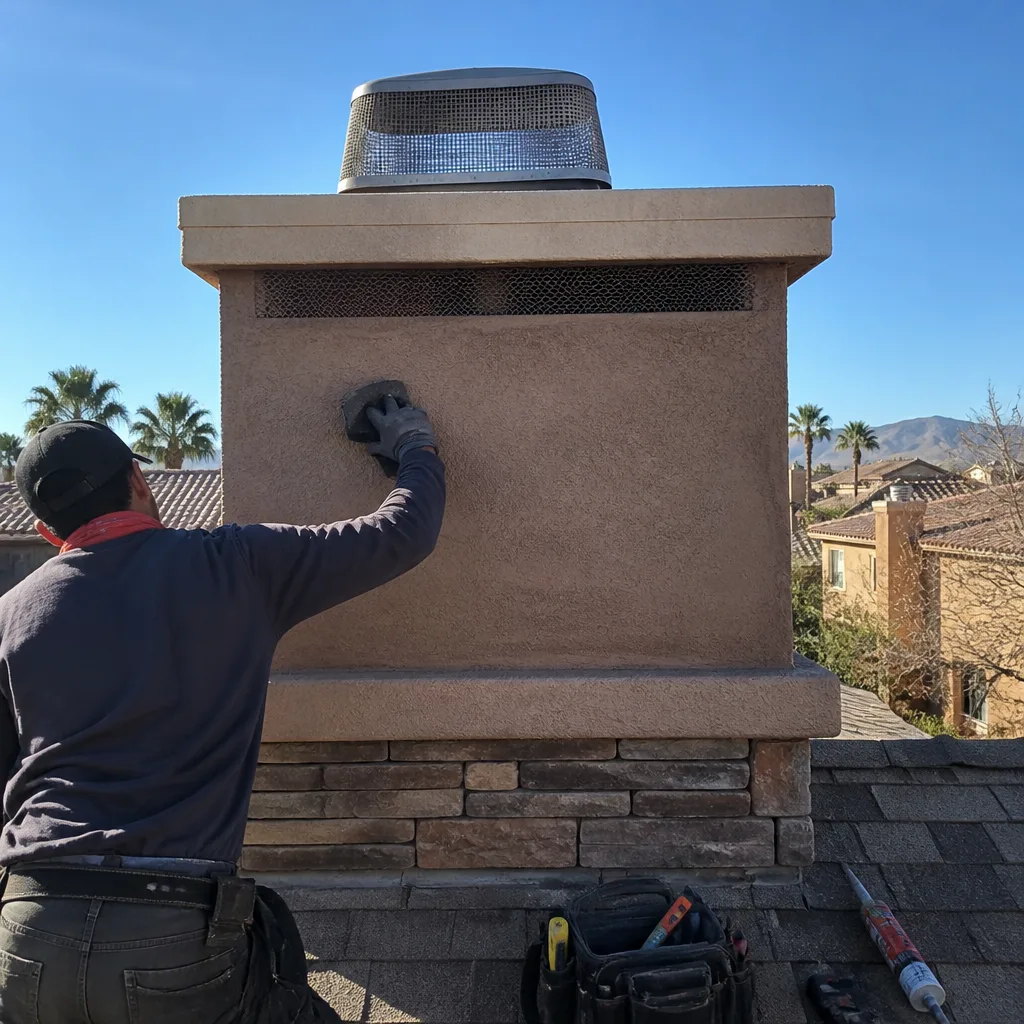 After
After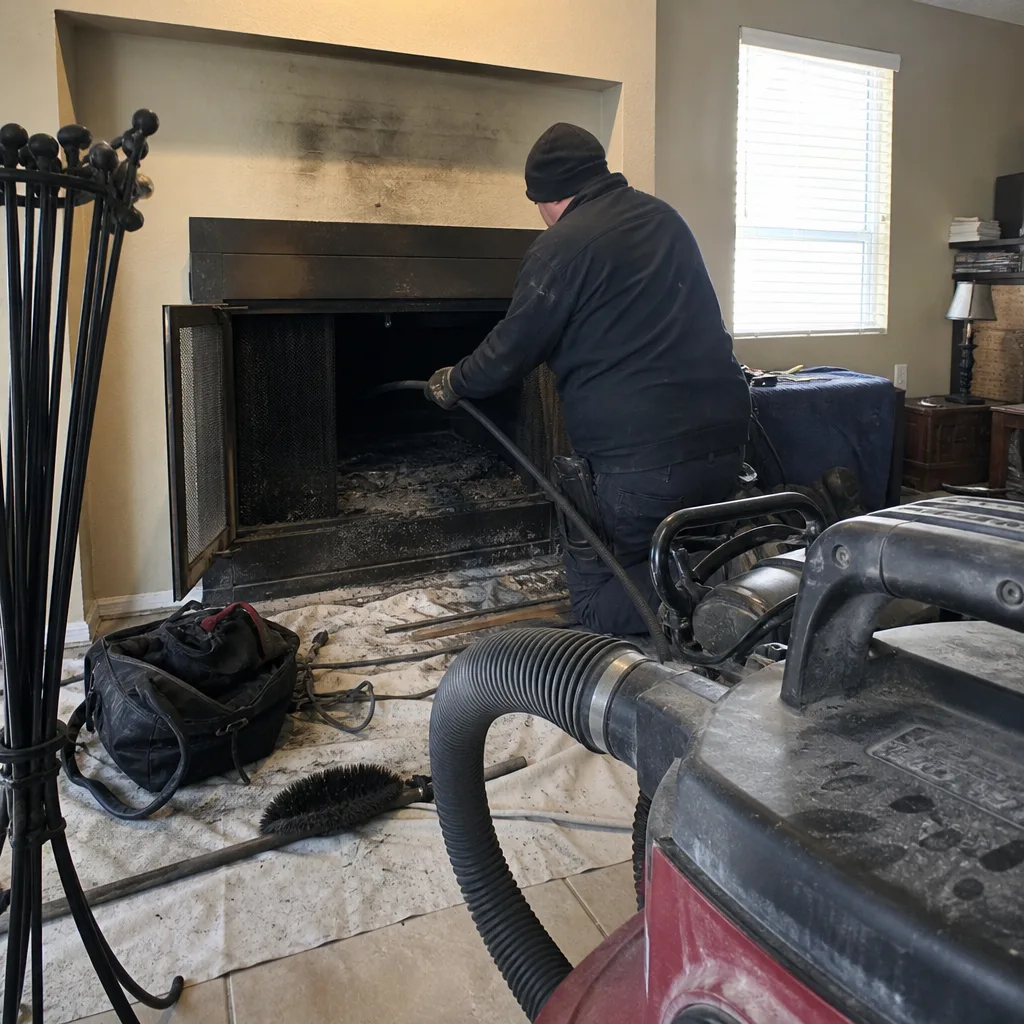 Before
 After
After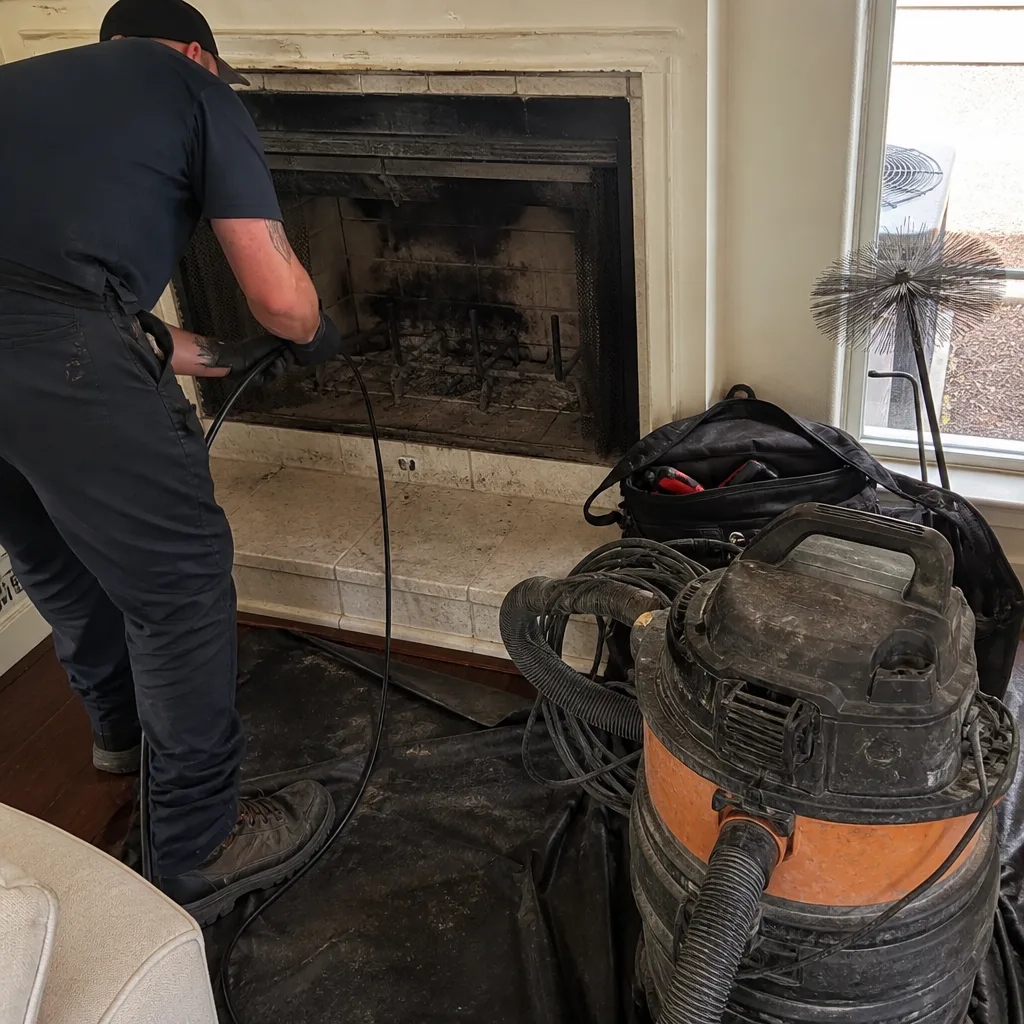 Before
 After
After