
Last updated October 15, 2026
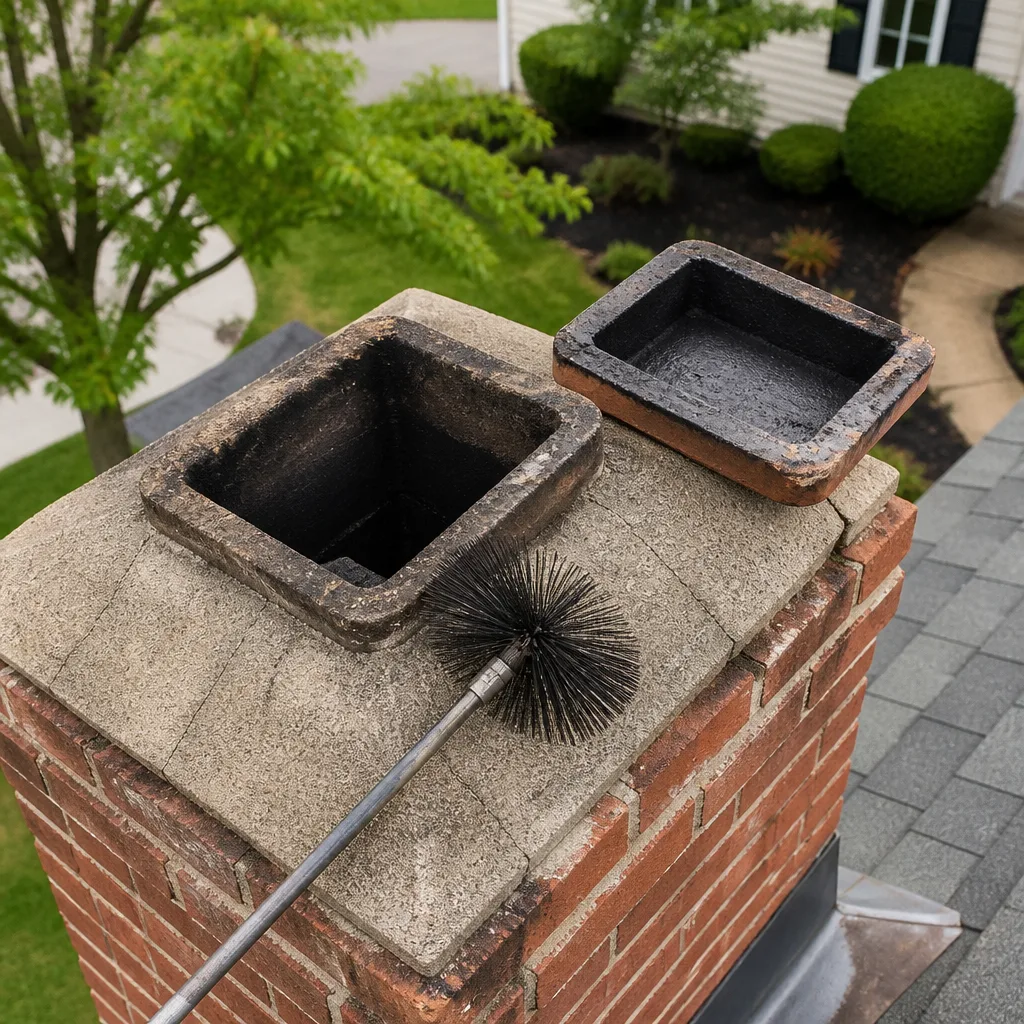 Sweep & inspection
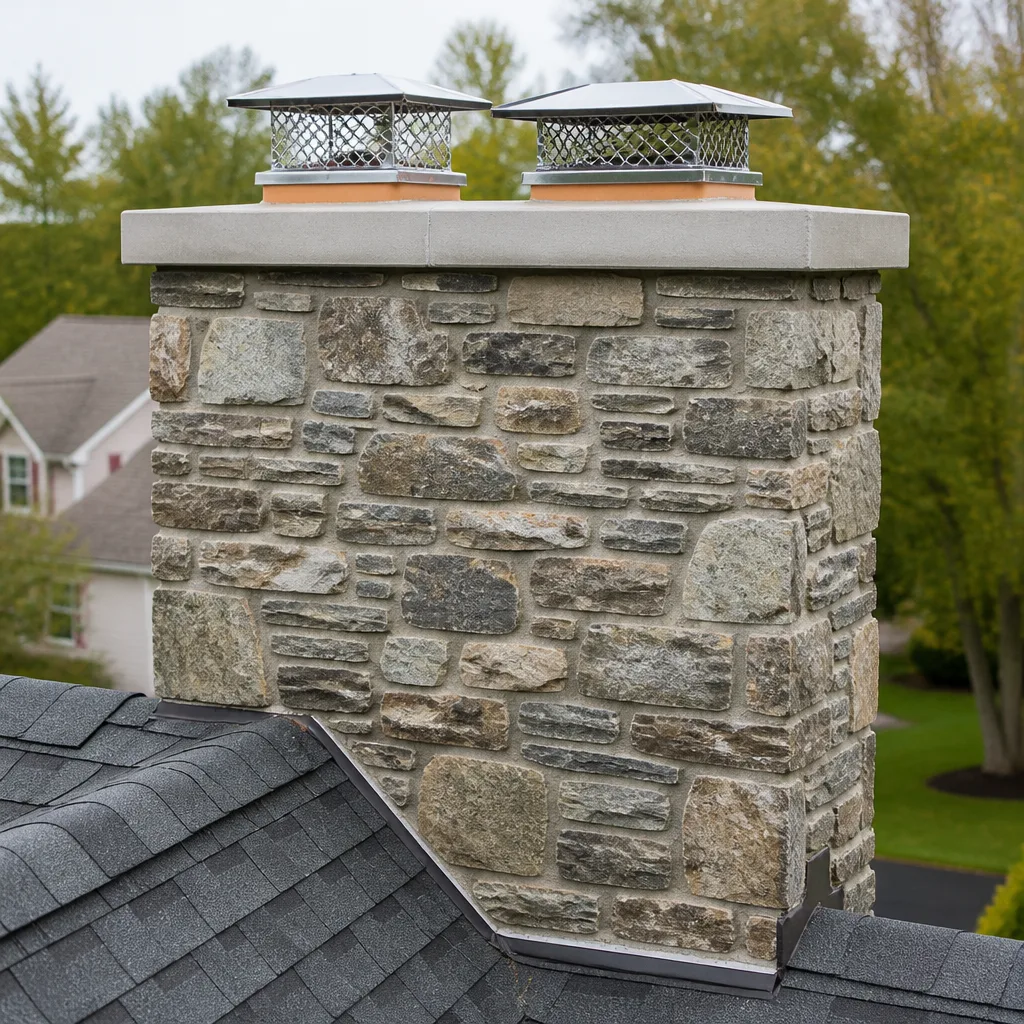 Caps & crowns
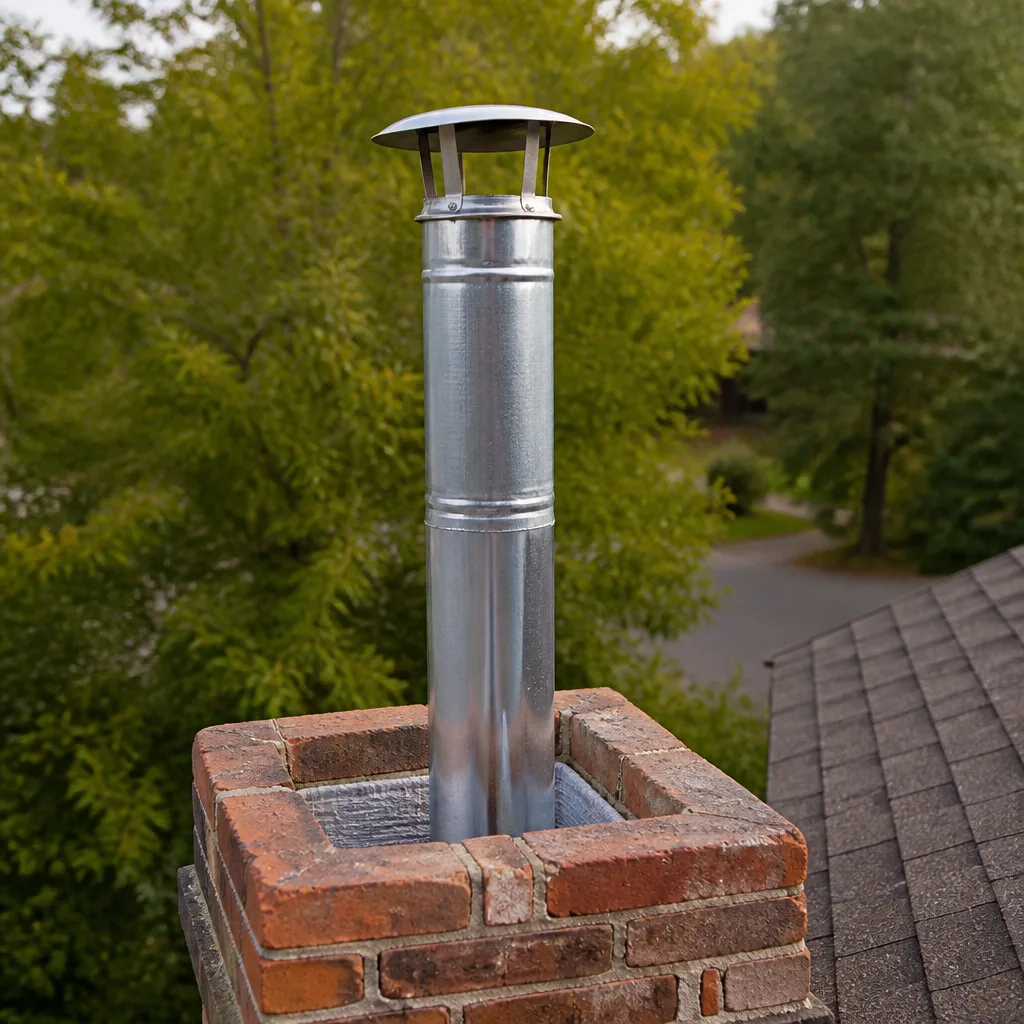 Flue relining
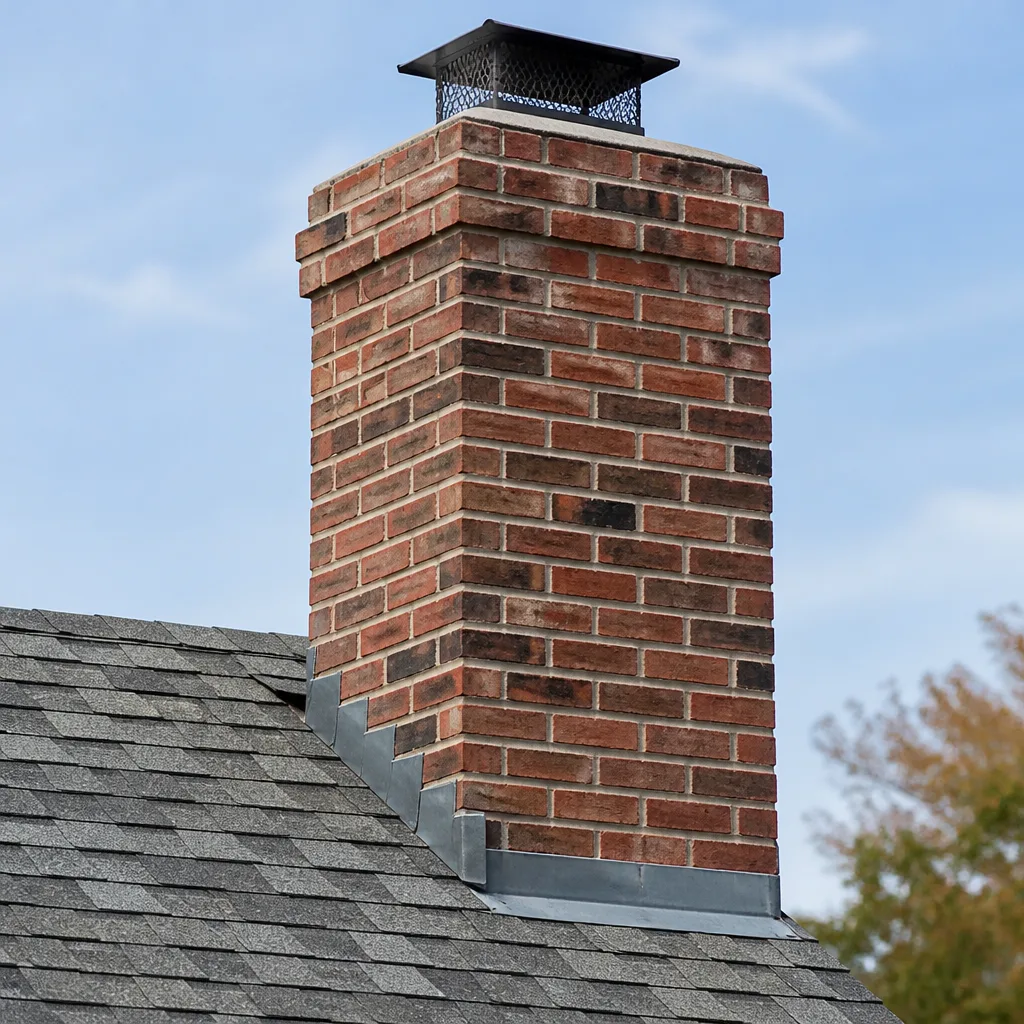 Masonry repair
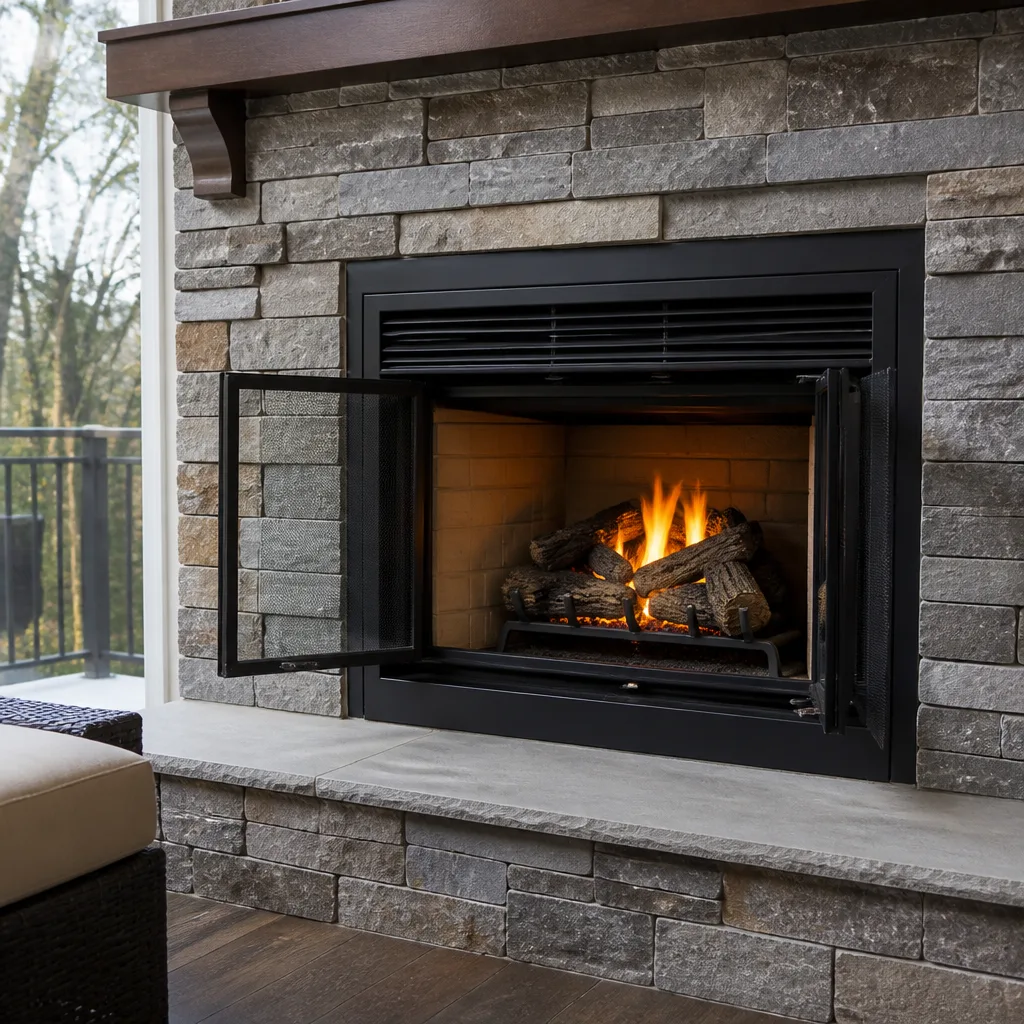 Gas fireplace service
Level 1 sweep and inspection to the NFPA 211 annual standard - flue, crown, cap, and flashing checked and photographed
Chimney sweep logs do not sweep chimneys. They loosen some creosote - which then falls where a brush and vacuum still have to collect it.
The Complete Guide to Chimney Cleaning in Las Vegas
Here’s a number that surprises most Las Vegas homeowners: the average fireplace in this valley gets lit fewer than 15 nights a year. Compare that to a Midwest home burning wood every weekend from October through March, and it sounds like our chimneys barely get used. But that infrequent use is precisely what creates a different kind of hazard profile in Las Vegas, one that standard chimney advice written for damp, cold climates completely misses. Desert dust, pest intrusion, and long idle stretches between fires combine to make Las Vegas chimneys dangerous in ways a busy chimney is not. This guide explains exactly what happens inside a Las Vegas chimney between uses, what a proper cleaning actually involves, what it should cost, and how to verify the job was done right. For seasonal chimney cleaning care for Las Vegas, see our year-round homeowner’s guide.
Styles & brands we work with
Quick Answer
A professional chimney cleaning in Las Vegas typically costs $149 to $259 for a standard, open fireplace with average buildup. The job should take 45 to 90 minutes and includes a full sweep of the flue, smoke chamber, and firebox, plus a basic visual inspection.
Table of Contents
- Why Las Vegas Chimneys Are Different
- What a Proper Chimney Cleaning Actually Includes
- Level 1 vs Level 2 Inspections, in Plain English
- The Tools Your Sweep Should Bring to a Las Vegas Appointment
- Creosote Stages and What Each One Costs to Fix
- How Often Should a Las Vegas Chimney Be Cleaned?
- How to Read a Written Cleaning Report
- Pest and Debris Problems Specific to Las Vegas
Why Las Vegas Chimneys Are Different
National chimney advice assumes a certain rhythm: burn wood all winter, stop in spring, clean in fall. Las Vegas breaks that model. Our fireplaces sit dark for months at a stretch, and that changes what accumulates inside them.
First, there’s the dust. The Mojave Desert produces fine, alkaline dust that infiltrates everything in Las Vegas, including chimney flues. When a fireplace goes unused from March to November, that dust settles onto the flue walls and into the smoke chamber. It’s not flammable by itself, but it forms a gritty base layer that creosote and debris adhere to more easily. A chimney that’s been scoured by regular hot fires tends to slough off creosote naturally. A dormant one lets every particle settle and bond.
Second, there are the pests. Las Vegas has a robust population of birds, pack rats, and roof squirrels looking for sheltered cavities. An uncapped or poorly capped chimney is a standing invitation. We regularly pull nests out of Las Vegas flues, including in newer neighborhoods like Summerlin and Henderson, where homeowners assume pests are a rural problem. They’re not. A bird’s nest or rat’s nest stuffed into a flue is a combustion hazard waiting for the first cool night in November when someone lights a fire.
Third, there’s the hardware. The desert air is dry, which sounds good for metal, but the extreme temperature swings in Las Vegas cause expansion and contraction cycles that fatigue dampers, caps, and flashing faster than you’d expect. We see oxidized dampers seized in place and cracked chimney caps on homes that are only ten or fifteen years old. A cleaning that doesn’t include checking this hardware is leaving money on the table for the homeowner.
Infrequent use, in other words, does not mean a cleaner chimney. It means a different kind of chimney, with its own failure points that need specific Las Vegas expertise to evaluate.
What a Proper Chimney Cleaning Actually Includes
A legitimate chimney cleaning in Las Vegas is more than running a brush up and down the flue. Here’s the sequence a certified professional should follow, step by step.
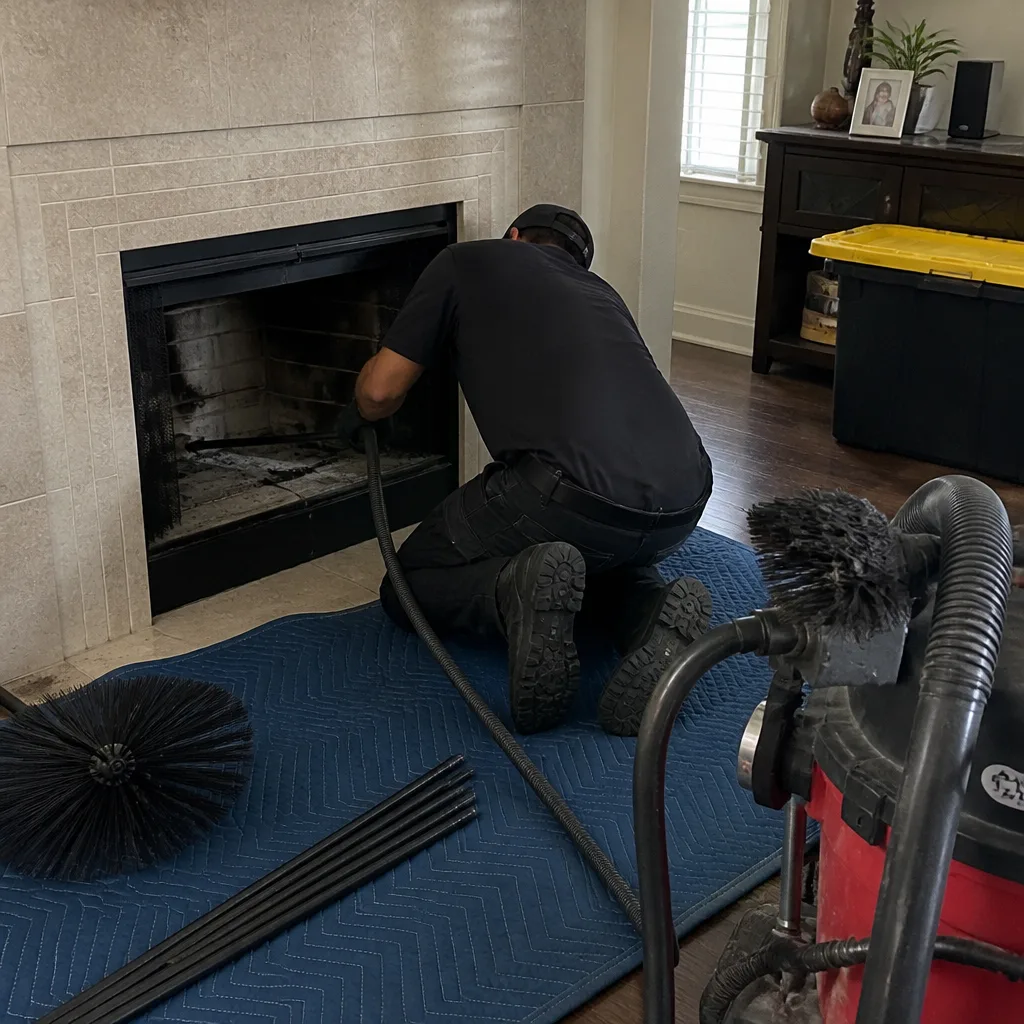
- Site protection. The technician should lay drop cloths around the fireplace opening and use a vacuum with a HEPA filter to control dust. If they’re not protecting your floor, that’s a red flag.
- Initial inspection. Before any brushing starts, a good sweep looks at the firebox, damper, smoke chamber, and flue opening. This identifies problems like cracked firebrick or a stuck damper that affect how the cleaning should proceed.
- Flue sweep. A brush, either on rods or a rotary system, is worked from the firebox up or from the roof down, depending on the chimney’s configuration. The goal is to dislodge creosote, soot, and any loose debris from the flue walls.
- Smoke chamber and firebox cleaning. These areas collect a surprising amount of debris and are often skipped by rushed jobs. A proper cleaning includes them.
- Debris removal. Everything dislodged is vacuumed out from the firebox or cleanout area. Nothing should be left behind.
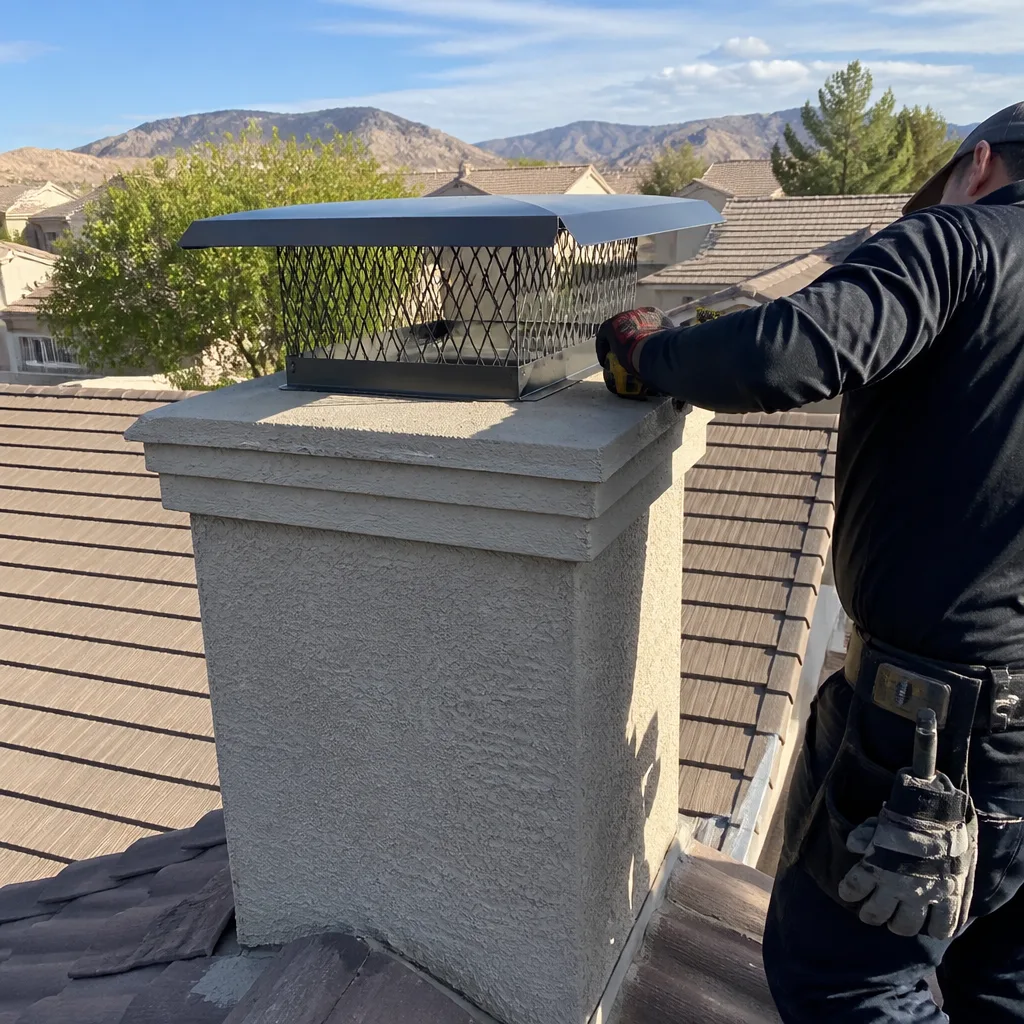
- Cap and crown check. If the technician doesn’t check the chimney cap and crown, the job isn’t done. In Las Vegas, caps are the first line of defense against pest intrusion.
- Post-cleaning report. You should receive a written summary of what was found, what was done, and any recommended follow-up work.
At Alcott Chimney Sweep in Las Vegas, we include all seven steps in every cleaning as a matter of course, not as an add-on. The written report is yours to keep, and you’ll get a written price before any work begins, so there are no surprises at the end.
Level 1 vs Level 2 Inspections, in Plain English
The National Fire Protection Association defines three levels of chimney inspection. Most Las Vegas homeowners only ever need to understand the first two. Here’s what they mean in practical terms.
Level 1 inspection is the visual check that happens as part of a routine cleaning. The technician examines all readily accessible areas, the firebox, damper, smoke chamber, flue interior, cap, and crown. No special tools are needed, and nothing gets taken apart. This is appropriate when the chimney is being used exactly as it always has been, with no changes to fuel type, appliance, or chimney configuration. For most Las Vegas homes with a wood-burning fireplace that gets lit occasionally, a Level 1 inspection during the annual or biennial cleaning is sufficient.
Level 2 inspection goes further. It includes everything in a Level 1, plus inspection of accessible areas in attics, crawl spaces, and basements, and it typically uses video scanning to check the flue interior from top to bottom. A Level 2 is required by the NFPA when you’ve had a chimney fire, when the property is being sold or transferred, when a new appliance is being connected, or after any event that might have damaged the chimney, such as an earthquake, lightning strike, or significant storm. Las Vegas sees its share of monsoon-season wind and roof damage, and any time that happens, a Level 2 inspection is the right call.
Here’s a quick way to think about it: Level 1 is routine maintenance, Level 2 is a diagnostic scan. For the typical Las Vegas fireplace burning a few times a year, an annual or biennial Level 1 is usually enough. If you’ve just bought the house, do a Level 2. That’s the one that tells you whether the flue has hidden cracks or gaps that a visual check alone would miss. Learn more about what each level covers in our Chimney Inspection in Las Vegas guide.
The Tools Your Sweep Should Bring to a Las Vegas Appointment
You can tell a lot about whether a chimney cleaning was done properly by watching what tools come off the truck. A certified professional should arrive with at least these items, and you’re within your rights to ask about them.
- The right-sized brush. Flues come in different shapes and sizes, round, square, and rectangular. A brush that’s too small won’t make full contact with the flue walls. A sweep who shows up with one brush for every job is cutting corners. Professional sweeps in Las Vegas use brushes sized to the flue’s specific dimensions.
- A HEPA vacuum. Chimney soot is fine and hazardous to breathe. A proper industrial vacuum with a HEPA filter keeps it out of your living room. A shop vac with a standard filter is not sufficient.
- Drop cloths and floor protection. If the technician walks in without materials to protect your flooring, that’s a sign the job will be sloppy.
- A flashlight and inspection mirror. These allow the sweep to actually see into the smoke chamber and upper flue, rather than guessing.
- A video camera (for Level 2 inspections). A proper diagnostic scan requires a camera small enough to navigate the flue and record the condition of the interior walls.
You should know who is coming to your door before they arrive. Ruben Castellano runs Alcott Chimney Las Vegas with a simple standard: every technician is background-checked and identity-verified before they step onto a customer’s property. You’ll know the technician’s name and see their photo before the appointment, and they’ll show you a photo ID badge at the door. That’s the Alcott Chimney Las Vegas home standard, and it’s non-negotiable.
Creosote Stages and What Each One Costs to Fix
Creosote is the tar-like substance that forms when wood smoke condenses inside a chimney. In a high-use fireplace, creosote can build up quickly into thick, glazed layers. In a low-use Las Vegas fireplace, creosote usually presents differently: thinner but stickier, bonding with desert dust to form a stubborn coating that standard brushing struggles to remove. Chimney professionals classify creosote in three stages, and each one carries a different cost to address.
- Stage 1 creosote is a light, dusty or flaky coating. In a typical Las Vegas fireplace burning a few times a year, this is what a standard cleaning removes. A basic sweep in Las Vegas generally runs $149 to $259, and Stage 1 creosote falls within that scope of work.
- Stage 2 creosote is thicker, crusty, or honeycomb-textured. It has hardened and bonded to the flue. Removing it requires more aggressive techniques, rotary chains or specialized chemical treatments, and the cost rises accordingly. Expect an additional $100 to $250 beyond the standard sweep price for Stage 2 removal.
- Stage 3 creosote is glazed, rock-hard, and highly concentrated fuel. This is the creosote that chimney fires are made of. Stage 3 often requires chemical breakdown treatments followed by rotary removal, and in severe cases it can justify replacing the flue liner entirely. Costs start around $500 and can exceed $3,000 if a new liner is needed. Professional trade brands like DuraFlex and HeatShield are specified for this work because they’re engineered for the job, not improvised from box-store substitutes.
Here’s the Las Vegas twist: because our fireplaces burn infrequently, creosote often doesn’t reach Stage 3 through volume of use. Instead, it forces itself into Stage 2 territory through time, dust adhesion, and incomplete low-temperature burns. A fireplace that gets lit only on cold desert nights rarely reaches the hot burn temperatures that help creosote flake away naturally. That’s why even a lightly used Las Vegas chimney needs professional attention on a regular schedule.
How Often Should a Las Vegas Chimney Be Cleaned?
The National Fire Protection Association says chimneys should be inspected at least once a year and cleaned as needed. For Las Vegas specifically, the answer depends on usage, but here’s an honest framework.
If you burn wood at all, even a handful of fires per winter, get the chimney swept annually or at minimum every other year. Low usage doesn’t mean no buildup. Desert dust and pest debris accumulate on their own, and an annual cleaning keeps the flue clear and checks for issues before they compound.
If you never use the fireplace, an inspection every two to three years is still wise. This is where Las Vegas homeowners get into trouble. A decorative fireplace, closed off behind glass doors and never lit, still has a flue exposed to the elements. Rain, dust, and pests don’t care whether you light fires. We’ve found significant pest nests in chimneys of Las Vegas homes where the fireplace hadn’t been lit in a decade. The homeowners had no idea until they tried to sell the house and a Level 2 inspection revealed the problem.
If you have a gas fireplace, the cleaning schedule is different. Gas fireplaces don’t produce creosote, but they do accumulate soot on logs and glass, and their vents need checking for blockages. Service typically falls under gas fireplace maintenance rather than chimney sweeping. For that, we point readers to our guide on Gas Fireplace Repair in Las Vegas.
In our experience, the most dangerous Las Vegas chimney is the one that’s ignored entirely because its owner assumes “I never use it, so it can’t be dirty.” That assumption is wrong for the specific environmental reasons this guide has explained.
How to Read a Written Cleaning Report
A professional chimney cleaning in Las Vegas should end with a written report. This report is your evidence of what was found and what was done, and it’s the document that separates a thorough job from a drive-by. Here’s how to read it critically.
What a legitimate report includes:
- The date of service and the address of the property.
- The technician’s name and, ideally, certification or training credentials.
- A description of the chimney’s configuration: flue type, dimensions, and material.
- The level of inspection performed (Level 1 or Level 2).
- Findings, itemized. This means what was observed: creosote stage, debris found, pest presence, damper condition, cap condition, crown condition.
- Work performed: what was cleaned, what tools were used, what was removed.
- Recommendations: any follow-up work suggested, with an explanation of why and what it costs.
What missing information signals a shortcut:
- No mention of the cap or crown. In Las Vegas, this is the single most cited omission. A cap check takes two minutes and tells you whether pests can get in.
- No creosote stage mentioned. If the report doesn’t tell you what stage of creosote was present, the sweep either didn’t assess it or didn’t think you needed to know. Both are problems.
- No photos. Most professional sweeps can provide photos of the flue interior, especially if a Level 2 camera inspection was done. No photos for a Level 2 inspection is a red flag.
- Vague recommendations without specifics. “Chimney needs repair” is not a finding. “Cracked flue tile at the 12-foot mark, second tile from the top, requires a HeatShield resurfacing or liner replacement” is a finding.
Alcott Chimney Las Vegas gives every customer a written cleaning report after every service. If something needs attention, you’ll see it documented with specifics, and you’ll get a written price before any repair work is scheduled. Nothing gets recommended without evidence you can see for yourself.
Pest and Debris Problems Specific to Las Vegas
Las Vegas chimneys have a pest problem that other regions don’t share to the same degree. Our urban fringes blend into desert quickly, and the animals that live there see chimneys as excellent real estate.
Birds are the most common intruders. Sparrows and starlings build nests in uncapped chimneys, stuffing twigs, grass, and other flammable material into the flue. We find active nests in Las Vegas chimneys throughout spring and early summer. A nest blocks airflow and adds a significant fuel load directly in the path of your first winter fire.
Pack rats and roof squirrels are particularly aggressive in the Las Vegas Valley. They don’t just nest in chimneys; they chew. We’ve seen pack rats gnaw through chimney caps, damper cables, and the outer layers of flexible liners. Their droppings and nesting materials are a biohazard as well as a fire hazard.
How to prevent pest intrusion:
- Install a proper chimney cap. This is the single most effective defense. A cap with mesh sides keeps birds, rodents, and debris out while allowing smoke to exhaust.
- Check the cap regularly. Las Vegas monsoon winds and sun break down cheap caps fast. A cap with rusted mesh or a bent frame isn’t doing its job.
- Burn occasionally during the off-season. A single fire every month or two sends a signal to local wildlife that this cavity is occupied and inhospitable.
- Keep trees trimmed away from the roof. Overhanging branches are the highway squirrels use to reach your chimney in the first place.
If you hear scratching in your chimney or smell animal waste near the fireplace, don’t light a fire. A fire under a nest is a chimney fire in the making. Get the chimney inspected, cleared, and capped before you burn anything.
Common Mistakes to Avoid
- Skipping the cleaning because you rarely use the fireplace. As this guide has detailed, infrequent use in Las Vegas creates its own hazards. Dust, pests, and dormant debris accumulate regardless of how often you light a fire.
- Lighting a fire before checking for pest nests. The first cool night of the season is when chimneys get lit without inspection. This is how chimney fires start in homes that haven’t been cleaned in years.
- Assuming gas fireplaces never need service. Gas fireplaces are cleaner than wood, but they still need vent checks, log placement checks, and carbon monoxide testing. Ignoring them is a safety risk.
- Accepting a sweep with no written report. If a technician can’t hand you a written summary of what was found and done, you have no record of the service and no way to verify it happened.
- Choosing a sweep purely on price. Cheap sweeps often cut corners on floor protection, cap checks, and report documentation. The savings are rarely worth what gets skipped.
- Installing a decorative cap with no mesh. These look nice but do nothing to keep out birds and rodents. Function over form in Las Vegas.
- Letting a sweep pressure you into liner replacement without camera evidence. A legitimate recommendation for liner work comes with photos or video of the flue interior showing the specific damage. Never accept a vague “you need a new liner” without seeing it yourself.
When to Call a Professional
Chimney cleaning is not a DIY job, not safely and not thoroughly. If any of these scenarios sound familiar, it’s time to call a professional: you haven’t had your chimney inspected in more than two years, you heard scratching or animal sounds near the fireplace, you’re about to light the first fire of the season after months of disuse, you’re buying or selling the home, or you’ve just moved into a house and don’t know the chimney’s history. Alcott Chimney Las Vegas offers free estimates in Las Vegas, call (725) 227-7352.
Frequently Asked Questions
A standard chimney cleaning in Las Vegas typically runs $149 to $259 for an open wood-burning fireplace with average buildup. Stage 2 creosote removal adds $100 to $250, and Stage 3 creosote or liner repair can push the job to $500 or more. Those are honest, local market numbers. Call (725) 227-7352 for an exact quote; estimates are free.
Yes, you do. Low usage combined with Las Vegas dust, pest pressure, and long idle stretches creates a different hazard profile than a high-use chimney. Annual or biennial cleaning catches buildup and pest intrusions before they become problems.
If you burn wood at all, sweep annually or at minimum every other year. If the fireplace is purely decorative, still get an inspection every two to three years. Pest and debris intrusion don’t pause for an unused chimney.
The flue accumulates creosote, dust, and potentially pest nests. The first fire after a long idle can ignite built-up creosote or a hidden nest, causing a chimney fire. At minimum, airflow gets restricted and smoke backs up into the house. In serious cases, the structure of the chimney itself degrades and requires expensive repair. Call (725) 227-7352 to schedule a cleaning before the next cold snap.
Most routine cleaning calls for a Level 1 inspection, which covers visually accessible areas. A Level 2 is warranted when buying a home, after a chimney fire, after major weather events, or when the appliance or flue configuration changes. A Level 2 includes a camera scan of the flue interior.
With Alcott Chimney Las Vegas, yes. Every technician is background-checked, identity-verified, and announced to you by name and photo before arrival. They’ll show a photo ID badge at the door. That’s the Threshold Standard, and it applies to every visit, no exceptions.
The Bottom Line
Las Vegas chimneys fail differently than chimneys in cold, humid climates. Dust, pests, and idle time conspire to make a rarely used fireplace more hazardous than a busy one. A proper cleaning protects against that, and it costs a predictable, honest amount: $149 to $259 for a standard sweep, with extras only when genuine problems are found and documented. Read the report, check the cap, and don’t let low usage fool you into skipping maintenance. Alcott Chimney Las Vegas has served Las Vegas homeowners since 2002, and we invite you to call (725) 227-7352 for a free estimate and a straight answer about your chimney.
Written by Ruben Castellano, Owner at Alcott Chimney Las Vegas, serving Las Vegas since 2002. Browse more guides & resources on chimney care and home safety.
See the difference
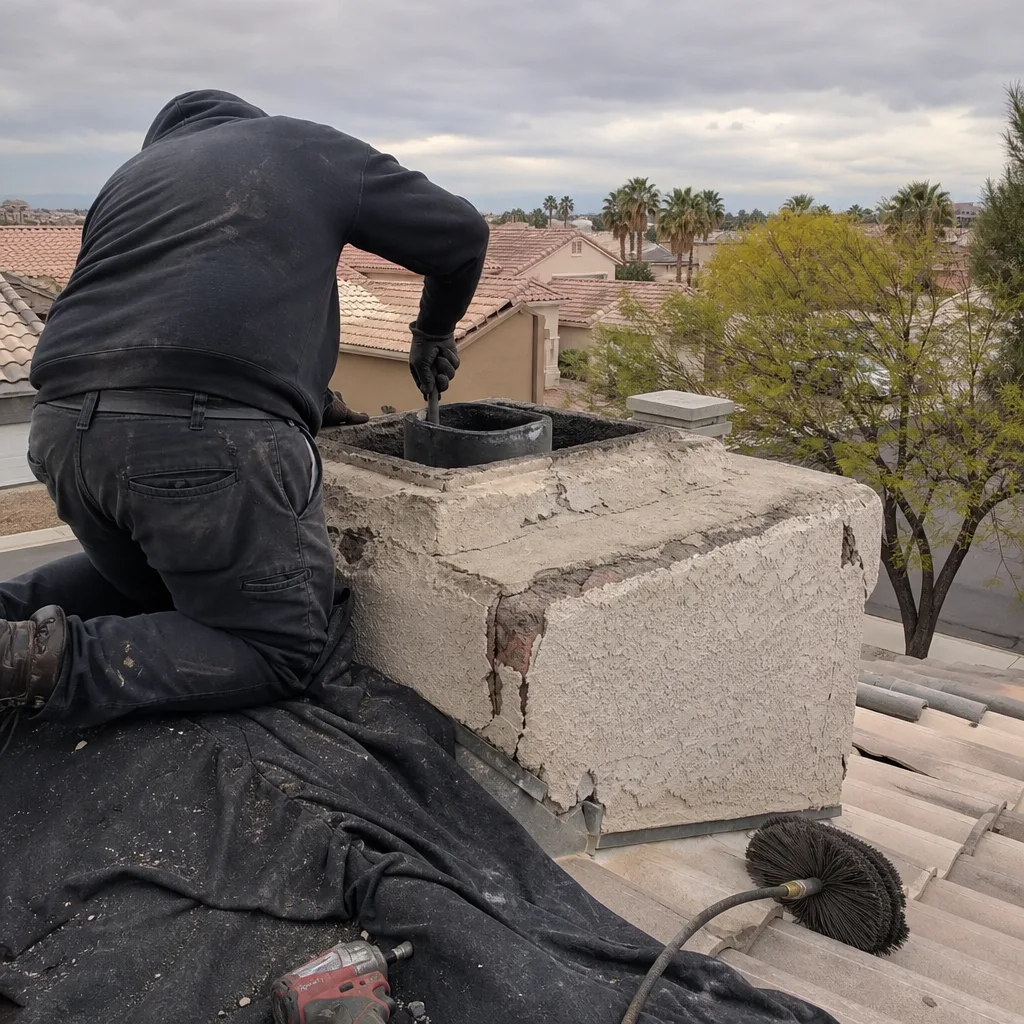 Before
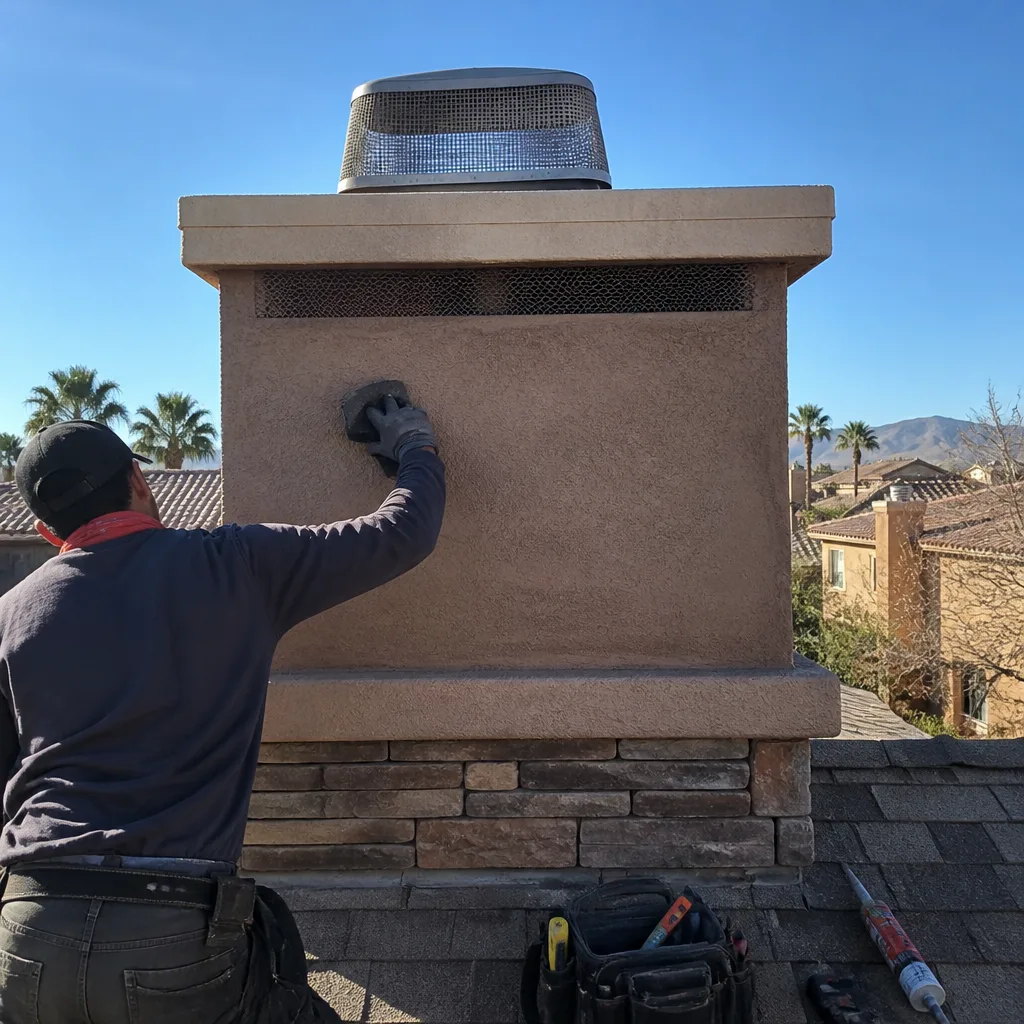 After
After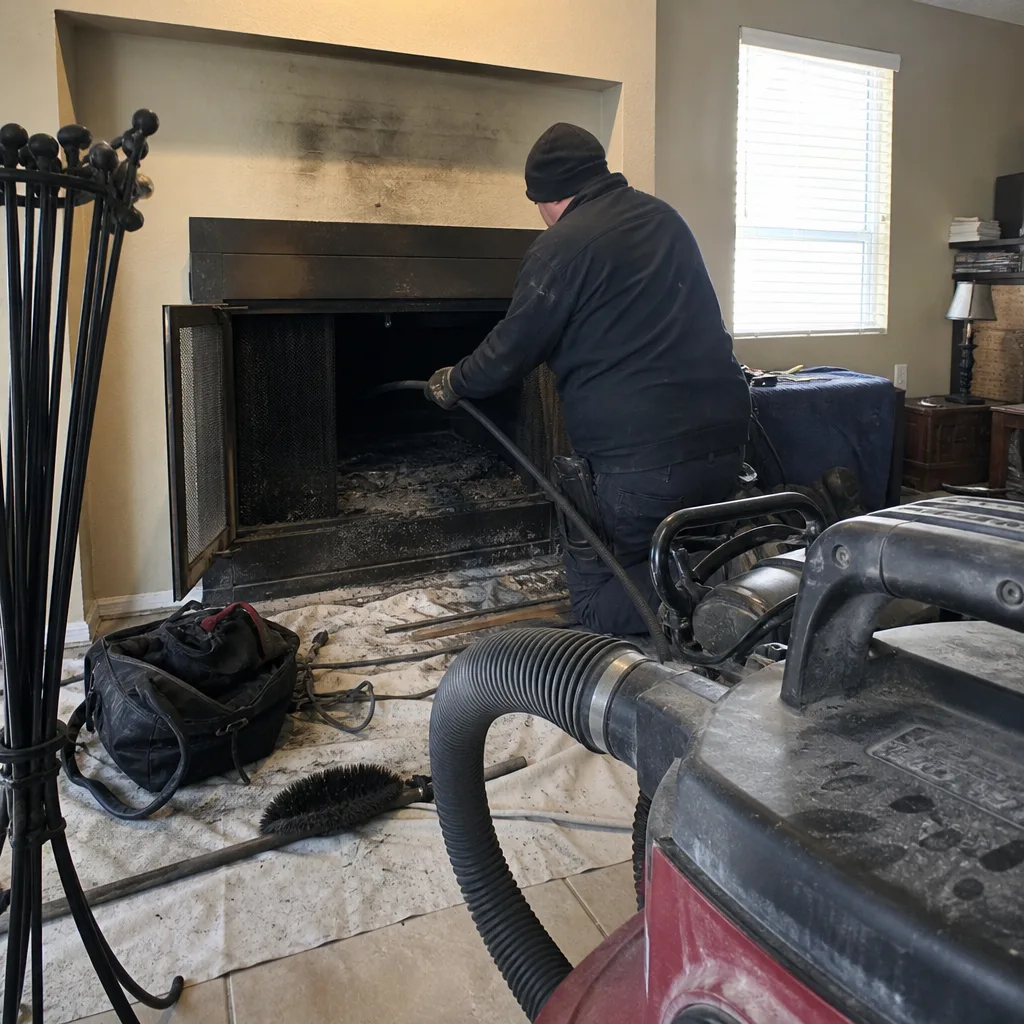 Before
 After
After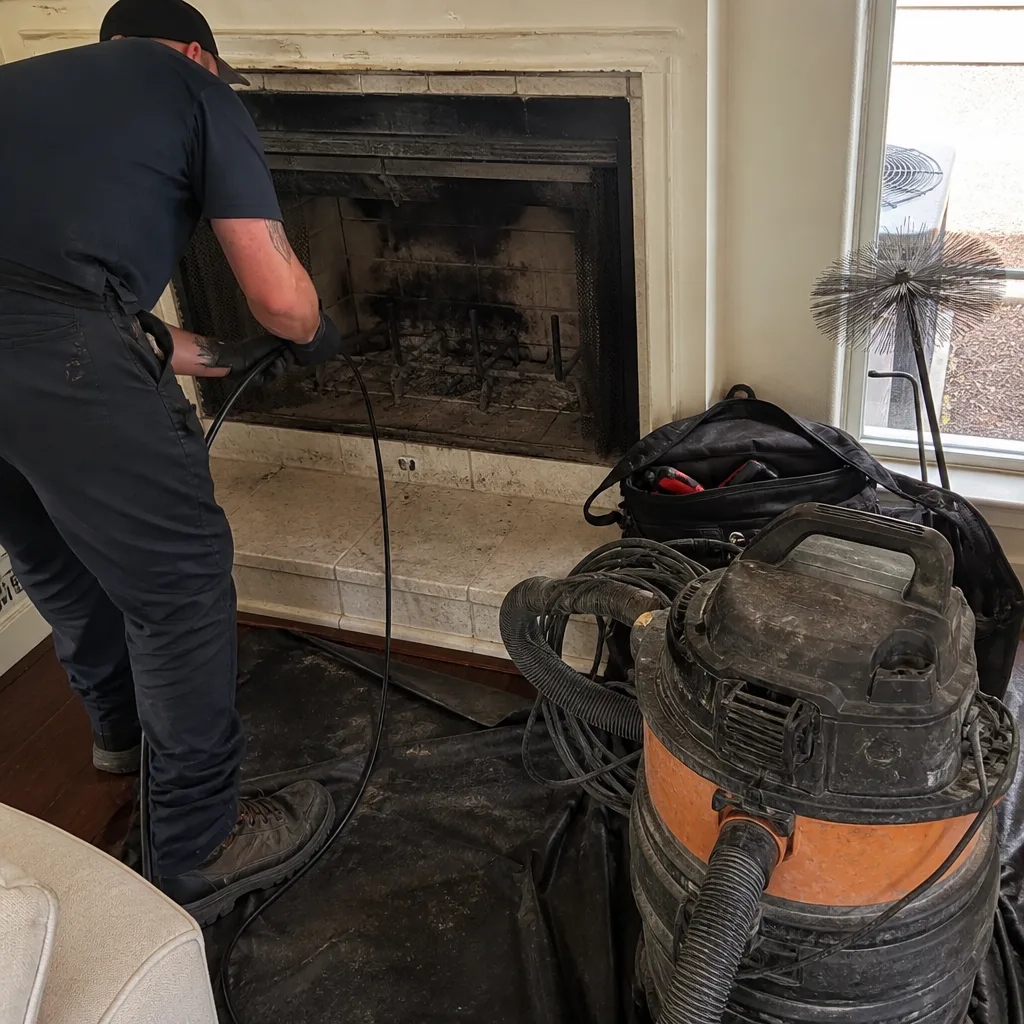 Before
 After
After