
Last updated October 15, 2026
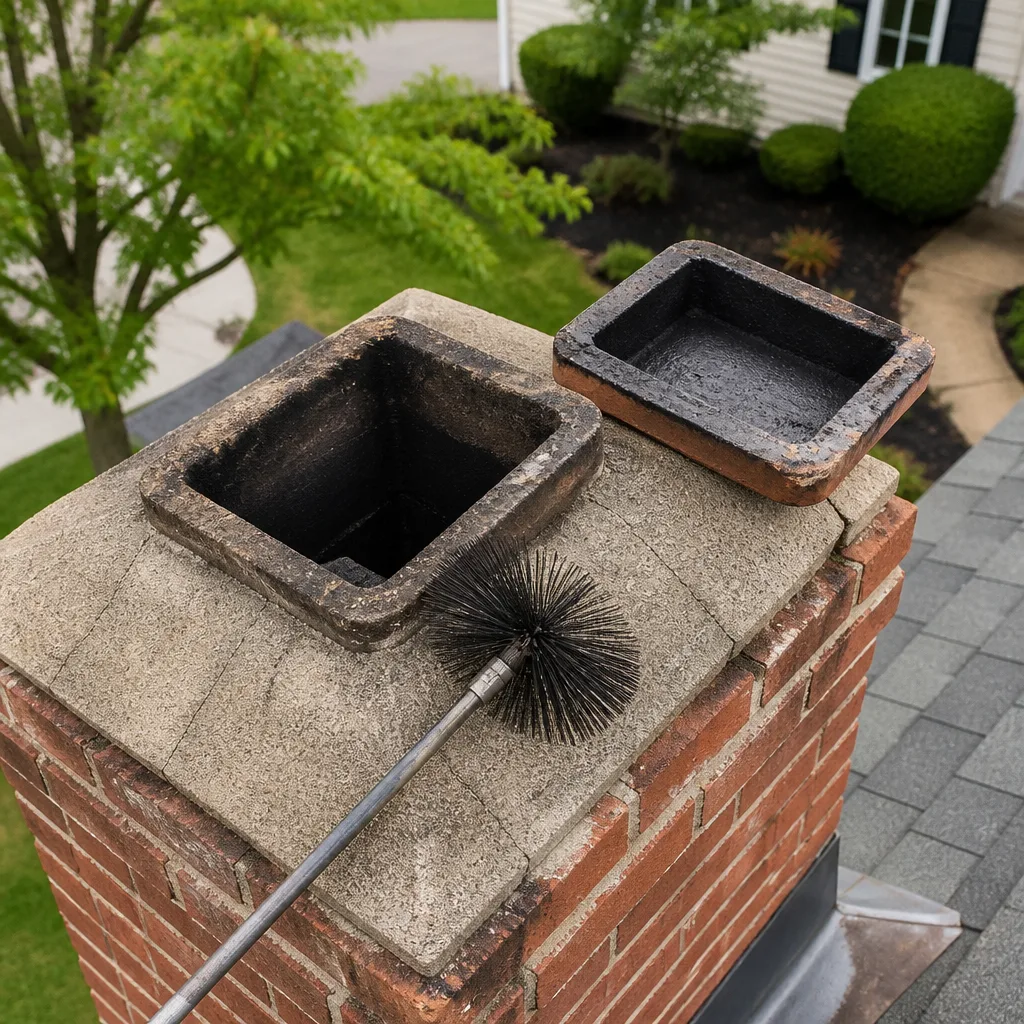 Sweep & inspection
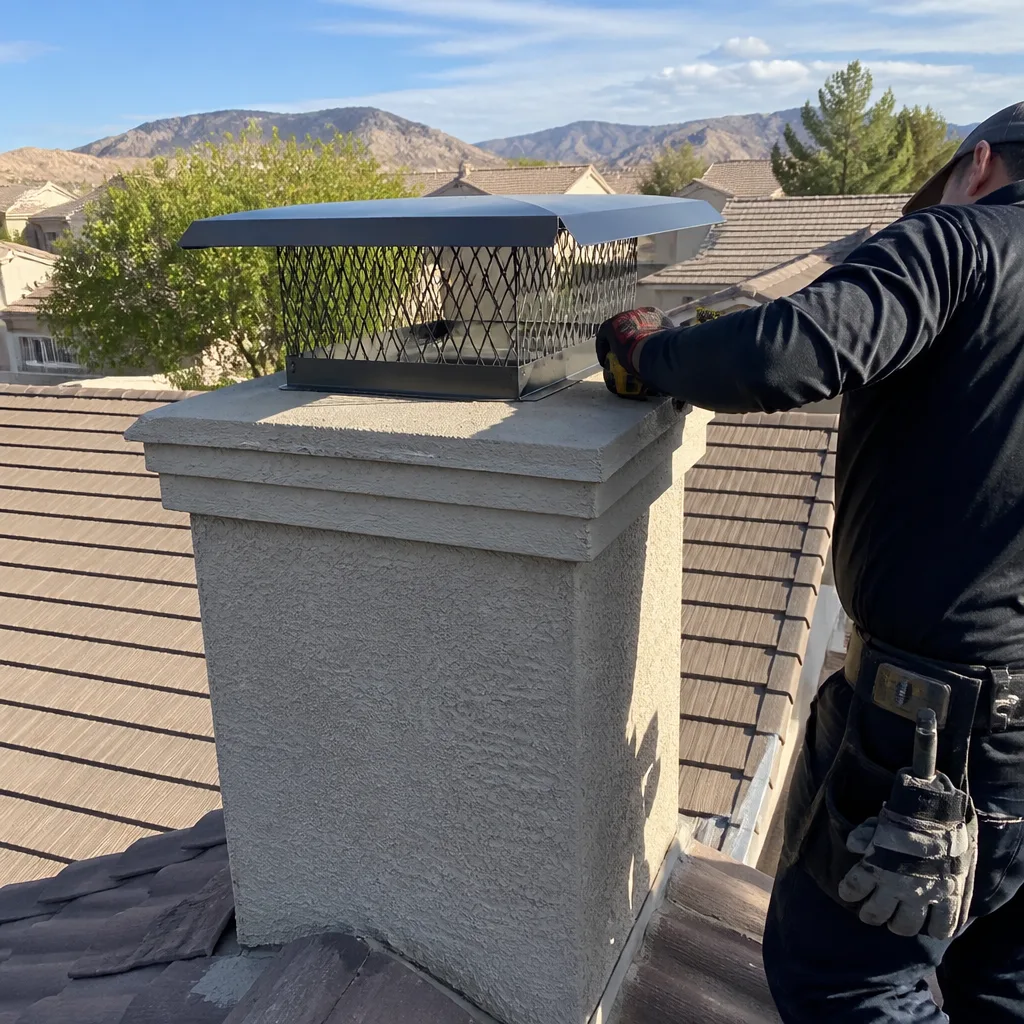
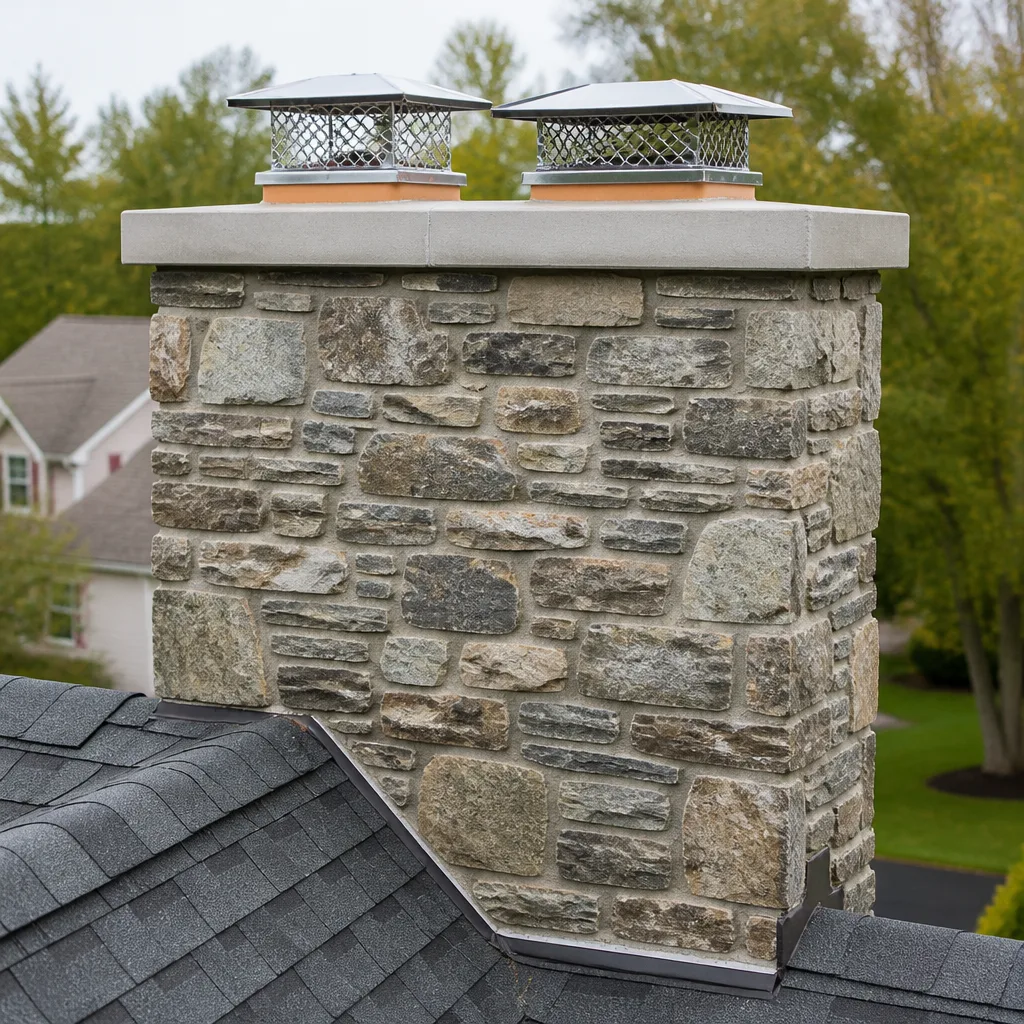 Caps & crowns
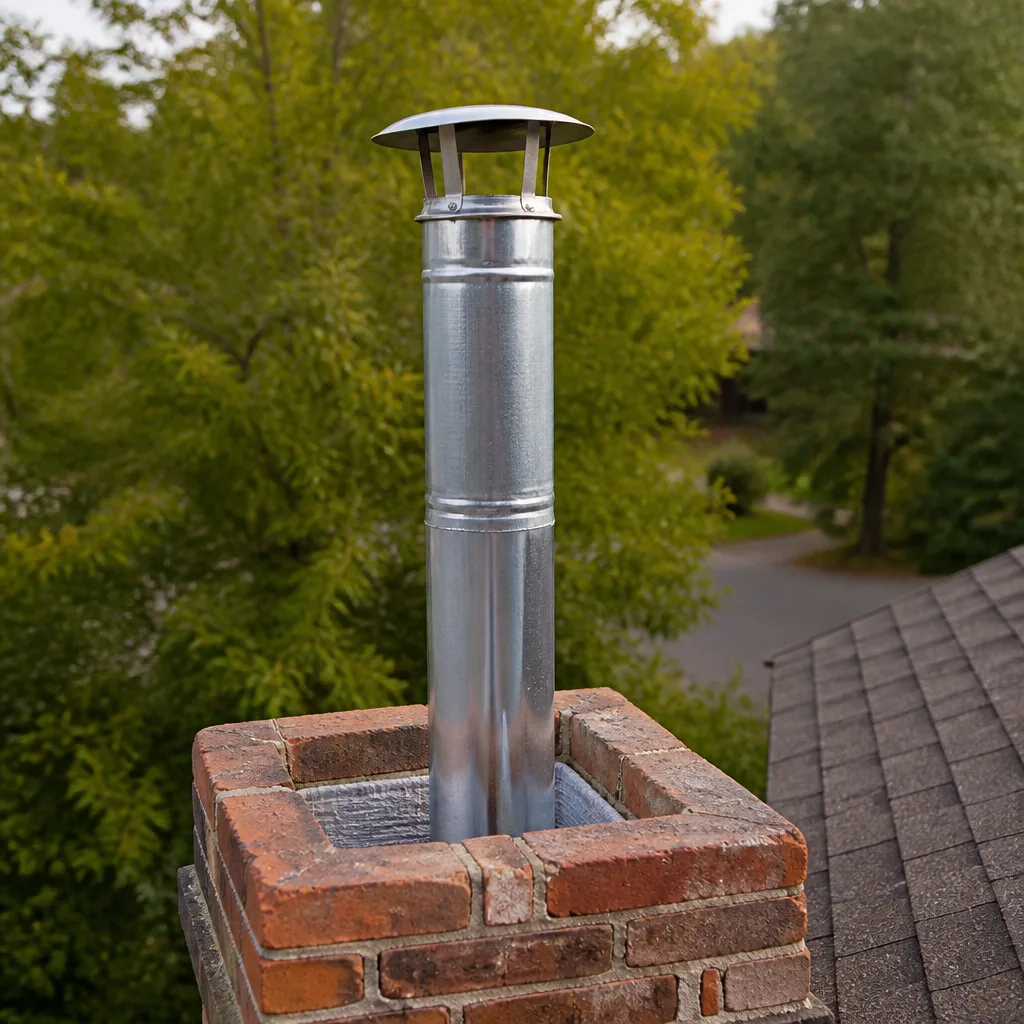 Flue relining
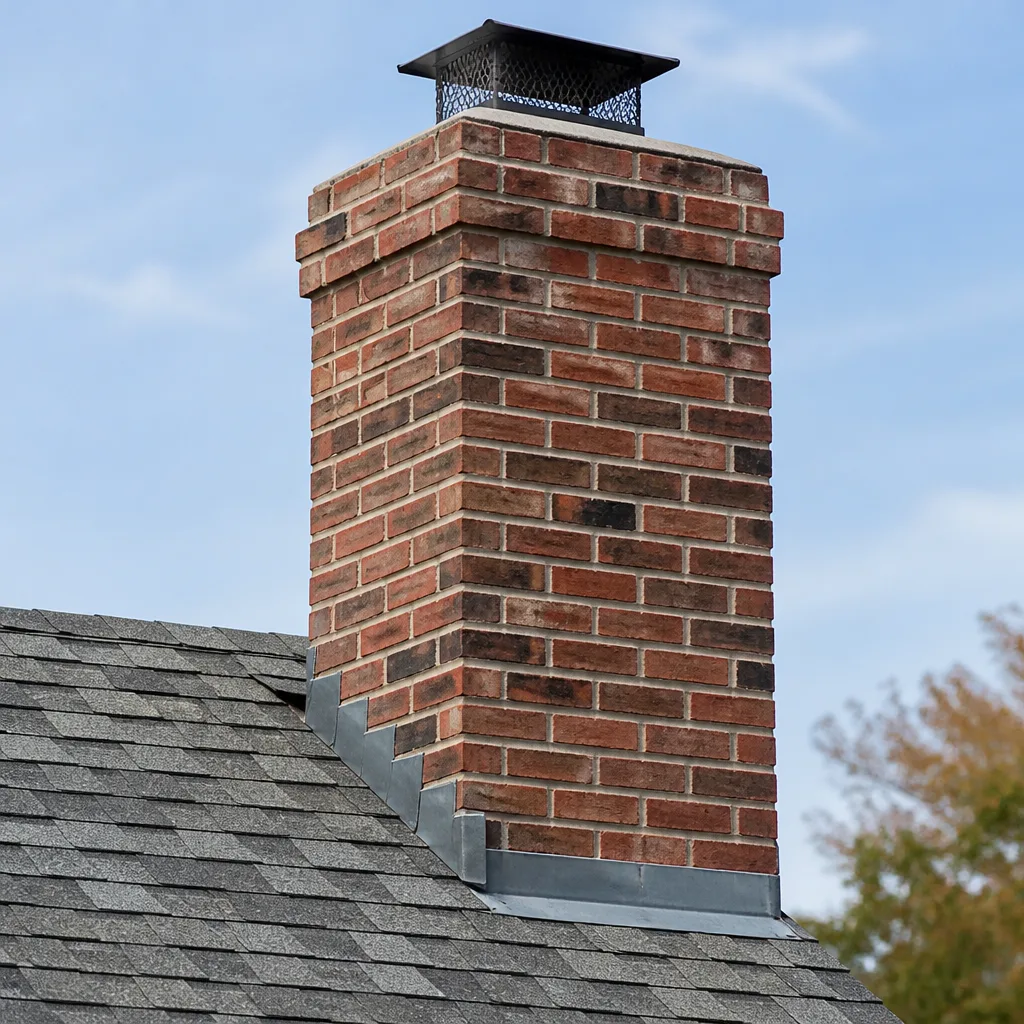 Masonry repair
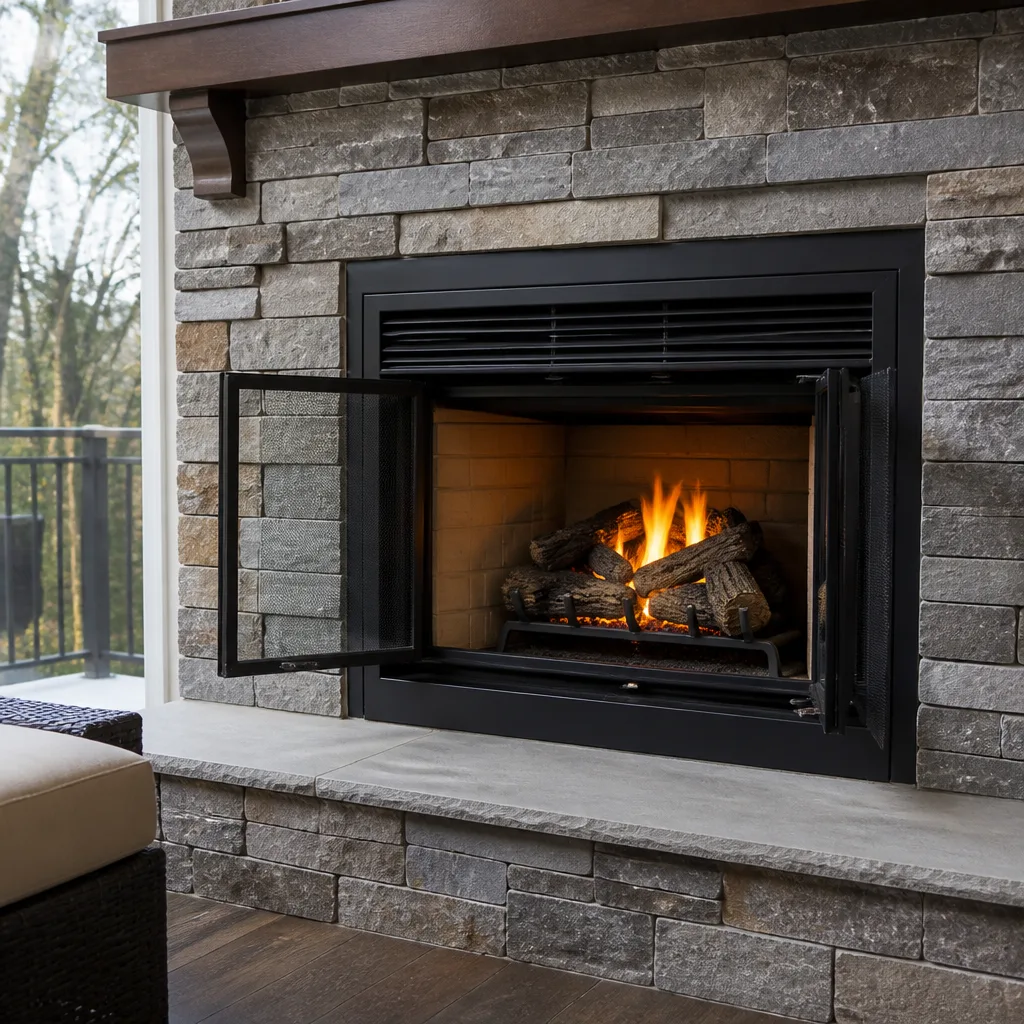 Gas fireplace service
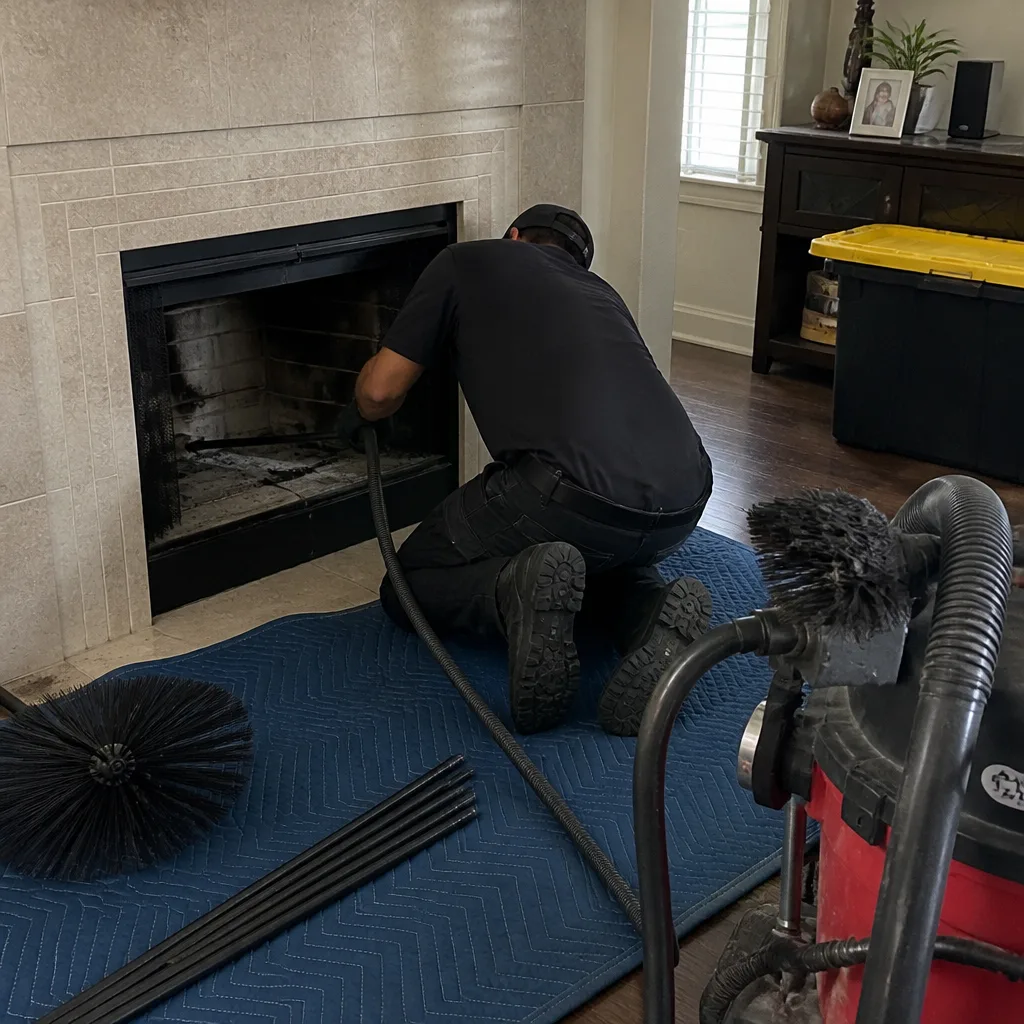
Level 1 sweep and inspection to the NFPA 211 annual standard - flue, crown, cap, and flashing checked and photographed
Chimney sweep logs do not sweep chimneys. They loosen some creosote - which then falls where a brush and vacuum still have to collect it.
DIY vs Professional Chimney Cleaning: The Las Vegas Homeowner’s Decision Guide
Here’s a truth most chimney-cleaning articles won’t tell you: the brush work is not the hard part. A competent Las Vegas homeowner with a $60 kit can physically remove loose soot from a flue. What that same homeowner cannot do, without specialized training and tools, is distinguish between the kind of buildup that a brush safely handles and the kind that a brush makes actively worse. In our two-plus decades serving Las Vegas, we’ve opened flues where a homeowner’s yearly DIY pass looked fine from above, but the lower third of the flue held stage-2 creosote glaze that had been hardening into a fire hazard for months. This guide gives you the straight comparison: what DIY can genuinely accomplish, what it can’t, what it costs either way, and how to know which path you’re standing in front of today.
Styles & brands we work with
Quick Answer
DIY chimney cleaning works for light, powdery soot removal when you have the right brush, a safe ladder setup, and no signs of creosote glaze, animal activity, or flue damage. But in Las Vegas, where gas fireplaces and occasional wood burning create specific residue patterns, a professional chimney sweep typically costs $180 to $340 and includes the one thing no brush kit provides: a trained inspection that catches stage-2 creosote, hidden cracks, and blockages before they become a fire or carbon monoxide problem. If you’re confident it’s just dust, DIY is reasonable. If you’re not sure, the diagnosis alone is worth the service call.
Table of Contents
- What DIY Chimney Cleaning Can Genuinely Accomplish
- What DIY Can’t Do: The Diagnosis Gap
- Las Vegas-Specific Conditions That Change the Calculation
- Understanding Creosote Stages Before You Touch a Brush
- The Real Cost Comparison: DIY vs Professional
- What a Professional Does in the First 10 Minutes
- How to Use DIY Maintenance Between Professional Sweeps
- Common Mistakes to Avoid
- When to Call a Professional
- Frequently Asked Questions
- The Bottom Line
What DIY Chimney Cleaning Can Genuinely Accomplish
Let’s be fair about this. A homeowner who reads the instructions, buys the right diameter brush for their flue, and takes basic ladder safety seriously can remove loose, dusty soot from a chimney. That’s real work, and it’s not nothing. If you burn seasoned hardwood occasionally in a home with a straight, accessible flue, a DIY pass with a poly brush and rods can clear the fluffy black powder that accumulates near the top of the flue and around the damper.
What that process looks like in practice:
- You measure your flue diameter, buy the right size brush, and check the weather forecast.
- You set up on the roof with a stable ladder, ideally with a spotter or a phone within reach.
- You run the brush down the flue in steady strokes, collecting debris at the firebox.
- You vacuum the firebox, check the damper, and call it done.
For a single-story Las Vegas ranch house with a straight flue and occasional use, this takes an afternoon and costs about $60 to $90 for the kit, plus whatever your time is worth. It works for the specific condition it’s designed for: loose, dry, non-adherent soot. If that’s what you’re looking at, and you’re comfortable on a ladder, there’s no reason to feel bad about doing it yourself.
But here’s the part most DIY guides glide past: the kind of residue that brushes remove easily is also the kind that poses the least risk. Powder soot is messy. It is not, by itself, the main driver of chimney fires. The danger lives in what your brush pass can’t see from the top of the flue, and that’s where the real decision lives for a Las Vegas homeowner.
What DIY Can’t Do: The Diagnosis Gap
The DIY chimney cleaning debate is usually framed as a cost question. In Las Vegas, it’s actually a diagnosis question. The cleaning itself is learnable. Knowing whether what you’re seeing is safe to clean yourself versus a condition that requires professional assessment is the part you can’t YouTube.
A brush kit gives you zero information about the inside of your flue. You’re working blind from the top, feeling resistance but not seeing what’s causing it. The resistance could be routine soot, or it could be:
- Stage-2 creosote glaze: a tar-like coating that brushes skip over instead of removing. You can’t tell from the top whether you’ve cleaned it or just polished it.
- Animal nesting material: Las Vegas sees pigeons, roof rats, and the occasional squirrel or raccoon in flues. A brush pass over a nest packs it down further. The blockage stays, and now it’s denser.
- Cracked or spalled flue tiles: brush bristles catch on the crack edges, and you feel it as resistance. But without a camera, that resistance could just as easily be a mortar joint. The difference matters enormously for fire safety.
- Disconnected or unlined sections: in older Las Vegas homes built before modern codes, flues may be unlined or compromised. Brushing a damaged flue can dislodge pieces, making a marginal situation into a repair.
This is the gap no brush kit closes. DIY still leaves you guessing about the thing that matters most: is this flue actually safe to use at all? Las Vegas is full of homes where chimneys go months or years between inspections, and nobody knows what’s happening in the flue until something goes wrong.
Las Vegas-Specific Conditions That Change the Calculation
Chimney advice written for New England or the Pacific Northwest doesn’t always translate to the Mojave. Las Vegas has its own set of conditions that shift the DIY-versus-professional calculation in specific ways.
First, our burning season is short. Las Vegas homeowners typically burn fires from late October through February, with occasional use outside that window. That means creosote buildup happens in fewer burns but often during colder, damper conditions that produce more smoke and more residue per fire. The creosote you create in Las Vegas tends to form in a compressed timeline, which means it can advance from stage-1 powder to stage-2 glaze faster than in a climate with a longer, more gradual burning season.
Second, gas fireplaces dominate this market. Many Las Vegas homes have gas logs or gas inserts, and the residue they leave is mineral and soot-based, not creosote. But gas flues have their own inspection needs: blockages from nesting animals who find gas flues warm and quiet during our mild winters, deteriorating mortar in older masonry, and corrosion in metal flue liners. A homeowner who assumes gas means low-maintenance can miss years of gradual decline.
Third, age matters. A large share of the Las Vegas housing stock was built between 1985 and 2007, meaning many chimneys are now 20 to 40 years old. Mortar joints are aging. Flue tiles installed in the 90s have been through three decades of thermal cycling. A 1995-era chimney in Summerlin or Henderson is not the same animal as a 2018 chimney in Skye Canyon. The older the home, the more a professional assessment matters before you decide to clean on your own.
Fourth, our desert ecosystem produces specific animal blockages. Roof rats are established across many Las Vegas neighborhoods, and they nest in chimneys with a speed that surprises homeowners. Pigeons roost on caps. The debris they leave is not the kind of thing a brush removes; it’s the kind of thing a brush compacts. If you notice twigs in your firebox or an odor from the flue, that’s a professional-removal situation, not a clean-it-yourself one.
For homeowners who want the full picture, a Chimney Inspection in Las Vegas gives you a camera view of the flue interior, which is the only reliable way to know exactly what you’re working with before any brush touches it.
Understanding Creosote Stages Before You Touch a Brush
The single most important piece of knowledge for any homeowner considering DIY chimney cleaning is that creosote is not one substance. It exists in three distinct forms, and each one requires a different approach. Brushing stage-2 creosote doesn’t just fail to clean it; it can leave a smooth, shiny surface that’s more flammable than what was there before.
Here’s what the three stages look like, in plain language:
- Stage 1: Powdery soot. This is the fluffy, black or dark-brown dust that brushes easily. It’s the stuff DIY kits are designed for. When you run a brush over it, it falls away. If your flue contains only stage-1 creosote, a DIY pass is reasonable.
- Stage 2: Glaze or flaky tar. This is where DIY gets dangerous. Stage-2 creosote looks like hardened, shiny black tar or shiny flakes stuck to the flue walls. It’s highly concentrated fuel, and it’s exactly what burns in a chimney fire. A brush pass skips over the surface, sometimes leaving it polished and more dense. Removing stage-2 creosote requires rotary cleaning with chains or specialized chemical treatment, or both.
- Stage 3: Candied, glass-like coating. This is stage-2 that has hardened into a rock-like glaze fused to the flue. Professionals in Las Vegas see this in neglected fireplaces and in homes where owners burned unseasoned or sappy wood for years. It often requires professional-grade chemical treatment or liner replacement. Never attempt stage-3 removal with consumer tools.
Here’s the problem for the DIY homeowner: you generally cannot see the stage from the top of the chimney. A mirror and flashlight from the bottom give you a partial view of the lower flue, but not the full picture. That’s why most Las Vegas chimney fires happen in flues that homeowners believed they were keeping clean. They were cleaning stage-1, and stage-2 was quietly building above their brush reach or below their sight line.
The Real Cost Comparison: DIY vs Professional
Let’s put actual numbers on this, because honest cost comparison is rare in this industry. A standard chimney sweep in Las Vegas typically runs $180 to $340 before any repairs, depending on the flue type, accessibility, roof height, and level of inspection included. A DIY kit runs $60 to $90 once, plus your time. On paper, DIY wins. But the comparison hides three things.
First, your time. A competent DIY cleaning takes 2 to 4 hours the first time, including measuring, buying the right brush diameter, setting up ladder access, doing the work, and cleaning the firebox afterward. Repeat cleanings go faster, but you’re still spending part of a weekend on a roof. If your time has any value at all, the cost gap narrows quickly.
Second, and more importantly: the professional price includes an inspection. When we sweep a flue in Las Vegas, we’re doing two jobs at once. The brush clears what’s cleanable, and the trained eye catches what isn’t. That includes looking for:
- Cracked flue tiles or separated mortar joints
- Damaged or missing chimney caps
- Warped dampers or rusted hardware
- Animal entry points and nests
- Water intrusion signs in the firebox
- Improper clearances around the fireplace opening
That diagnostic step is the majority of the value in a professional visit. The brush work is the mechanical part. The inspection is the expertise part.
Third, the documentation. A professional sweep gives you a written record of the flue condition, which matters if you ever sell your Las Vegas home, file an insurance claim, or need to show a buyer that the fireplace was maintained. DIY cleaning gives you a clean flue and no paper trail.
| Cost Factor | DIY Approach | Professional Sweep |
|---|---|---|
| Brush kit or service fee | $60 – $90 (one-time purchase) | $180 – $340 per sweep |
| Time required | 2 – 4 hours per cleaning | 60 – 90 minutes, including inspection |
| Creosote removal | Stage-1 only | Stage-1 and stage-2 with proper tools |
| Flue inspection | None | Visual inspection included |
| Documentation | None | Written condition report |
| Risk level | Ladder work, missed hazards | Low; trained technician handles it |
The honest math: if your flue has only stage-1 powder and you’re comfortable on a roof, DIY is cheaper. If you’re not sure, the professional’s inclusion of inspection changes the equation entirely. You’re not paying $250 for a brushing. You’re paying $250 for a brushing plus a diagnosis, a written record, and the trained eye that tells you whether the flue is actually safe. A Chimney Sweep in Las Vegas from our team includes all of that at no extra charge.
What a Professional Does in the First 10 Minutes
If you want to understand the real difference between DIY and professional chimney cleaning in Las Vegas, look at what happens in the first 10 minutes of a professional visit. None of it involves a brush.
Here’s what we do before the sweeping starts:
- Exterior assessment. We look at the chimney cap, the crown, the flashing, the mortar joints. In Las Vegas, where UV exposure bakes masonry year-round, these components degrade faster than homeowners expect. A cracked crown lets in water, and water plus creosote creates an acidic paste that eats flue tiles.
- Roof access check. We evaluate the roof pitch and surface. Summer heat cycles can make tile roofs brittle. The same roof that felt solid last year may crack underfoot this year. This matters for safety on every visit.
- Damper and firebox inspection. Before any brush touches the flue, we look at the damper mechanism and firebox condition. A warped damper or cracked firebox brick tells us something about the flue’s history that affects how we approach the cleaning.
- Flue entry check. We remove the cap or enter through the firebox and assess the visible flue condition. This is where creosote stage gets identified, blockages get spotted, and the scope of the job gets confirmed.
Four steps. No brush. The brushing comes after we know what we’re dealing with, and the order matters. A homeowner with a brush kit starts at step 4 and skips the first three entirely. That’s not a cost-saving shortcut; it’s a blind spot built into the method.
How to Use DIY Maintenance Between Professional Sweeps
This is the middle path that most homeowners never hear about: you don’t have to choose between never touching your chimney and exclusively hiring professionals. The smartest Las Vegas homeowners do light interim maintenance between professional visits, and they use the professional visit as the annual calibration point.
Here’s a sustainable rhythm that works:
- Get a professional sweep and inspection once a year, ideally before burning season in October or November. This gives you a known baseline: clean flue, verified condition, written report.
- During burning season, do light firebox maintenance yourself. Remove cold ash weekly. Keep the firebox clear of debris. Check the damper opens and closes smoothly. None of this requires a brush or roof access.
- Watch for the warning signs that signal a change. If you smell smoke in the house when the fireplace is running, if you see dark staining on the chimney face, if birds or rodents suddenly appear near the cap, or if fires burn cooler and smokier than they used to, something changed. Stop burning and schedule a look.
- If you burn wood regularly, consider a mid-season light brushing. For homes with heavy seasonal use, a homeowner who has already had a professional cleaning and inspection can run a brush pass midway through the season to clear fresh stage-1 powder. This doesn’t replace the professional visit; it extends the clean window between them.
The key insight: DIY interim work is safe only when it happens against the backdrop of a professional diagnosis. You brush between inspections because you already know the flue is sound. You never brush instead of inspections, because then you’re flying blind. For homeowners with gas fireplaces, a professional service like our Gas Fireplace Repair in Las Vegas team handles the specific needs of gas logs, inserts, and venting systems, which are different from wood-burning flues.
Common Mistakes to Avoid
- Brushing a flue you’ve never had inspected. If you don’t know the creosote stage or flue condition, a brush pass can polish stage-2 glaze into a more fire-ready state. Get a professional inspection first, then decide.
- Using a wire brush on a stainless steel liner. Many Las Vegas homes have metal liners, and a wire brush scratches the interior, creating crevices where creosote accumulates faster. Poly brushes are for metal liners; wire brushes are for masonry flues. Mixing them up causes real damage.
- Assuming gas fireplaces need no maintenance. Gas flues collect mineral deposits, and Las Vegas roof rats nest in gas chimneys with alarming enthusiasm. A gas flue with a blockage is a carbon monoxide risk, not a creosote one, and it’s invisible to casual observation.
- Waiting until the fire burns poorly. By the time a fire burns weakly or smoke rolls into the room, the flue has already been compromised for a while. Annual inspection is cheaper than emergency repair.
- Ignoring the chimney cap. In Las Vegas, a missing or damaged cap is an open door for birds, rats, and debris. The cap is the first line of defense and the cheapest repair on the stack. Letting it fail turns a $150 cap replacement into a $400 animal removal plus a deep cleaning.
- Burning unseasoned or sappy wood. Las Vegas lacks natural hardwood forests, so homeowners sometimes burn whatever’s available: scrap pine, pallet wood, or freshly cut branches. Green or resinous wood creates stage-2 creosote at a rate that surprises people. Burn dry, seasoned hardwoods only.
- Going on the roof without a spotter. Solo roof work is the single most common way homeowners get injured during DIY chimney projects. Desert roofs collect dust and debris that make them unexpectedly slippery. Always have someone aware of where you are.
When to Call a Professional
Some conditions should never be addressed with a brush kit, period. Call a professional if you notice any of the following: shiny, tar-like glaze inside your flue; animal droppings, nesting material, or animal sounds from the chimney; cracks visible in the firebox or on exterior masonry; smoke entering the room during use; a strong odor from the fireplace even when it’s not burning; or water stains on the ceiling near the chimney chase. These are diagnosis situations, not cleaning situations. A brush pass won’t fix the underlying problem, and in several of these scenarios, it can make things worse. Alcott Chimney Las Vegas offers free estimates in Las Vegas. Call (725) 227-7352 and a live person answers, day or night.
Frequently Asked Questions
A standard chimney sweep in Las Vegas typically costs $180 to $340, depending on flue type, roof access, and the inspection level you choose. The price includes the brushing plus a visual inspection of the flue, damper, cap, crown, and firebox. Call (725) 227-7352 for a free estimate with exact pricing before any work begins.
DIY chimney cleaning is safe only when three conditions are met: the flue contains only stage-1 powdery soot, the chimney is structurally sound, and you’re comfortable working on a roof with proper ladder setup. If any of those conditions is uncertain, the safest choice is a professional inspection first. Brushing stage-2 creosote or a damaged flue can make the situation worse, not better.
For wood-burning fireplaces used regularly during burning season, an annual professional sweep and inspection is the standard recommendation in Las Vegas. Gas fireplaces need an inspection every year too, though they require less frequent cleaning. Homes with heavy wood use may benefit from a mid-season brushing, but the annual professional visit should stay on the calendar.
Yes, though the needs are different. Gas flues don’t produce creosote, but they gather mineral deposits, animal materials, and dust. More importantly, gas flues need inspection for blockages and corrosion because a blocked gas flue creates carbon monoxide risk. A gas fireplace service includes checking the venting system, burner operation, and safety shutoffs. Call (725) 227-7352 to schedule gas fireplace service in Las Vegas.
Dangerous creosote appears as shiny, tar-like glaze on the flue walls, sometimes flaking like hard black plastic. This is stage-2 creosote, and it’s the primary fuel for chimney fires. If you see this when looking up your flue with a flashlight, do not attempt to brush it yourself. Professional removal requires rotary tools or chemical treatment, and the flue needs inspection before and after.
A professional sweep in Las Vegas includes a trained visual inspection of the full chimney system: cap, crown, flashing, flue interior, damper, and firebox. You get creosote stage identification, blockage detection, damage assessment, and a written condition report. DIY gives you a brush pass and nothing else. The inspection is the part that catches fires and carbon monoxide hazards before they happen. Our Alcott Chimney Las Vegas home page lays out the full scope of what’s included on every visit.
The Bottom Line
The DIY-versus-professional decision isn’t really about saving money. It’s about information. A brush kit removes what you can see: loose soot. It tells you nothing about what you can’t see: the creosote stage, the flue condition, the animal blockage, the cracked tile that’s been slowly degrading for two seasons. In Las Vegas, where short burning seasons compress creosote buildup and desert wildlife finds its way into flues with regularity, that missing information carries real risk. The smart play for most Las Vegas homeowners is a professional sweep and inspection once a year, with light DIY firebox maintenance between visits and more guides & resources available. You’ll spend $180 to $340 for certainty instead of $60 for guessing. And if you’re only going to guess about one thing each year, make sure it isn’t the thing that prevents a chimney fire.
Written by Ruben Castellano, Owner at Alcott Chimney Las Vegas, serving Las Vegas since 2002.
See the difference
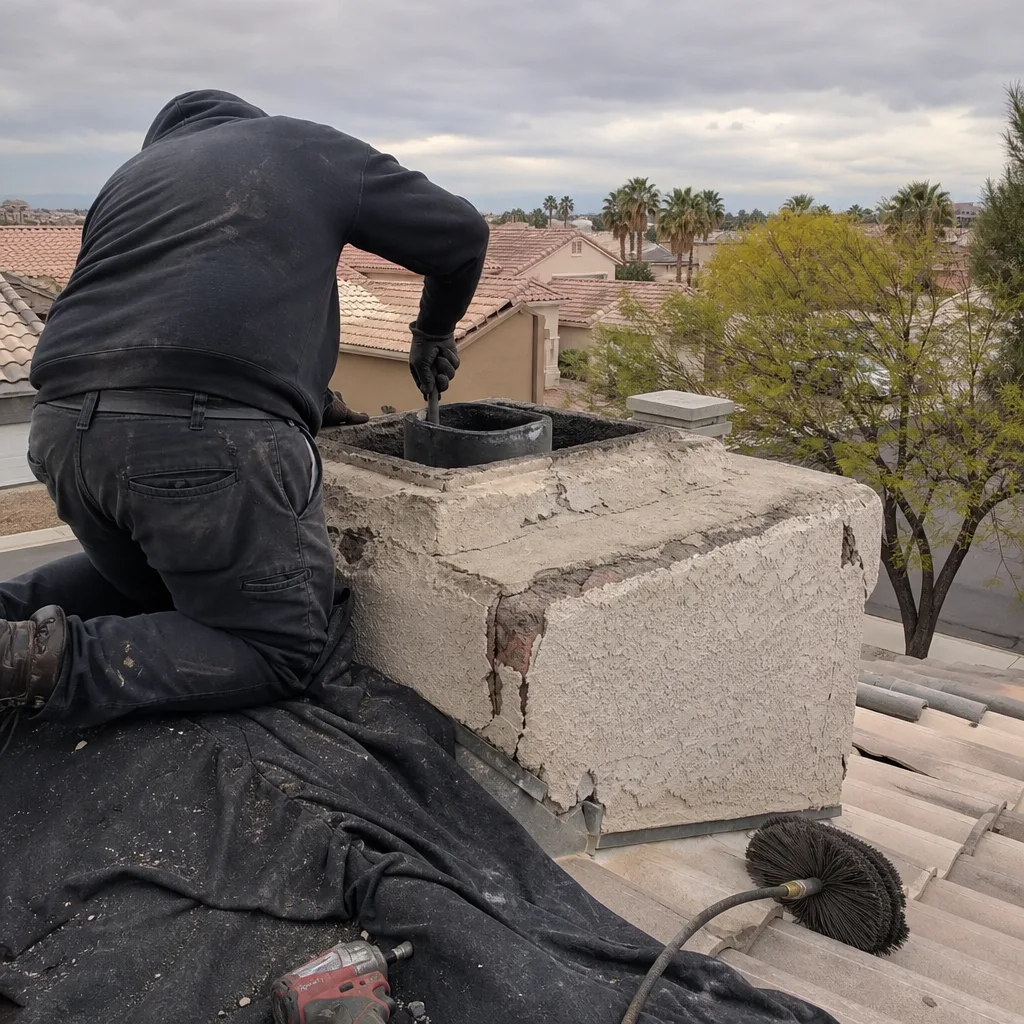 Before
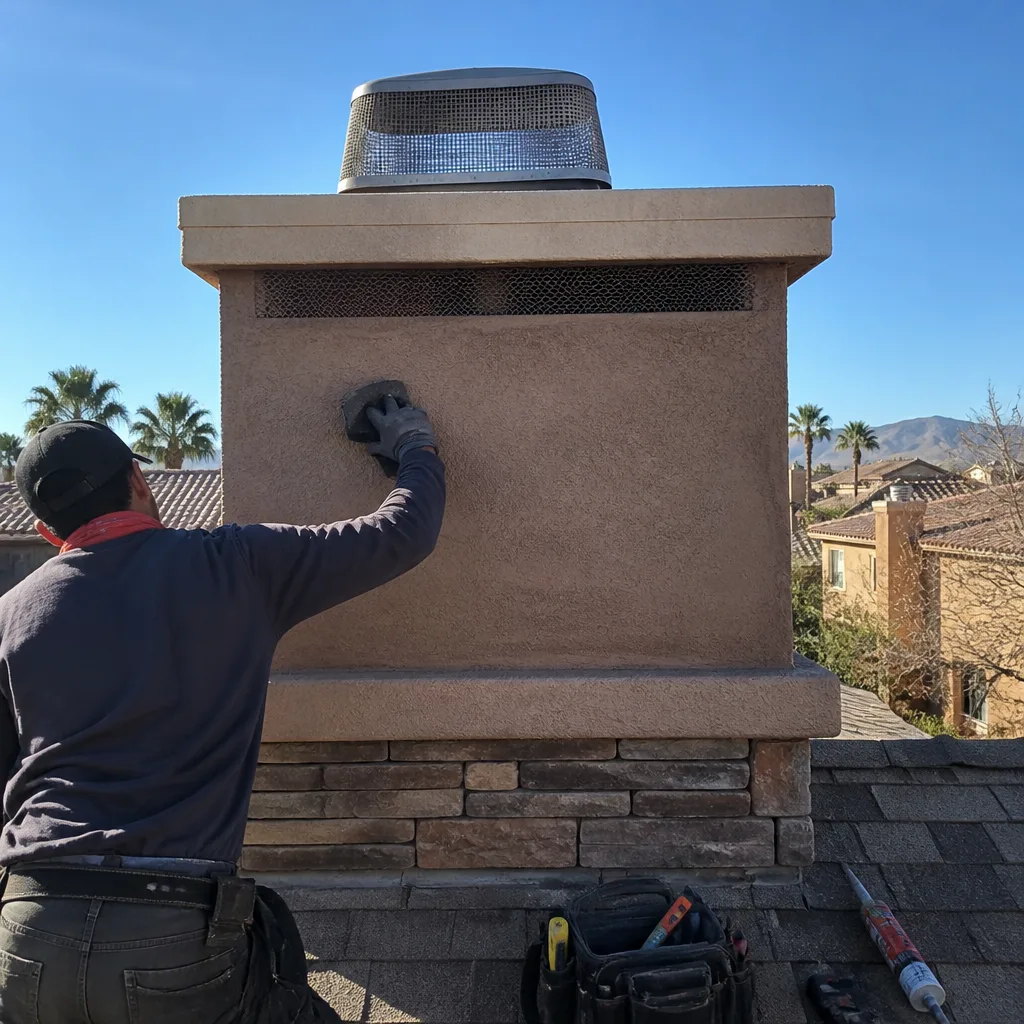 After
After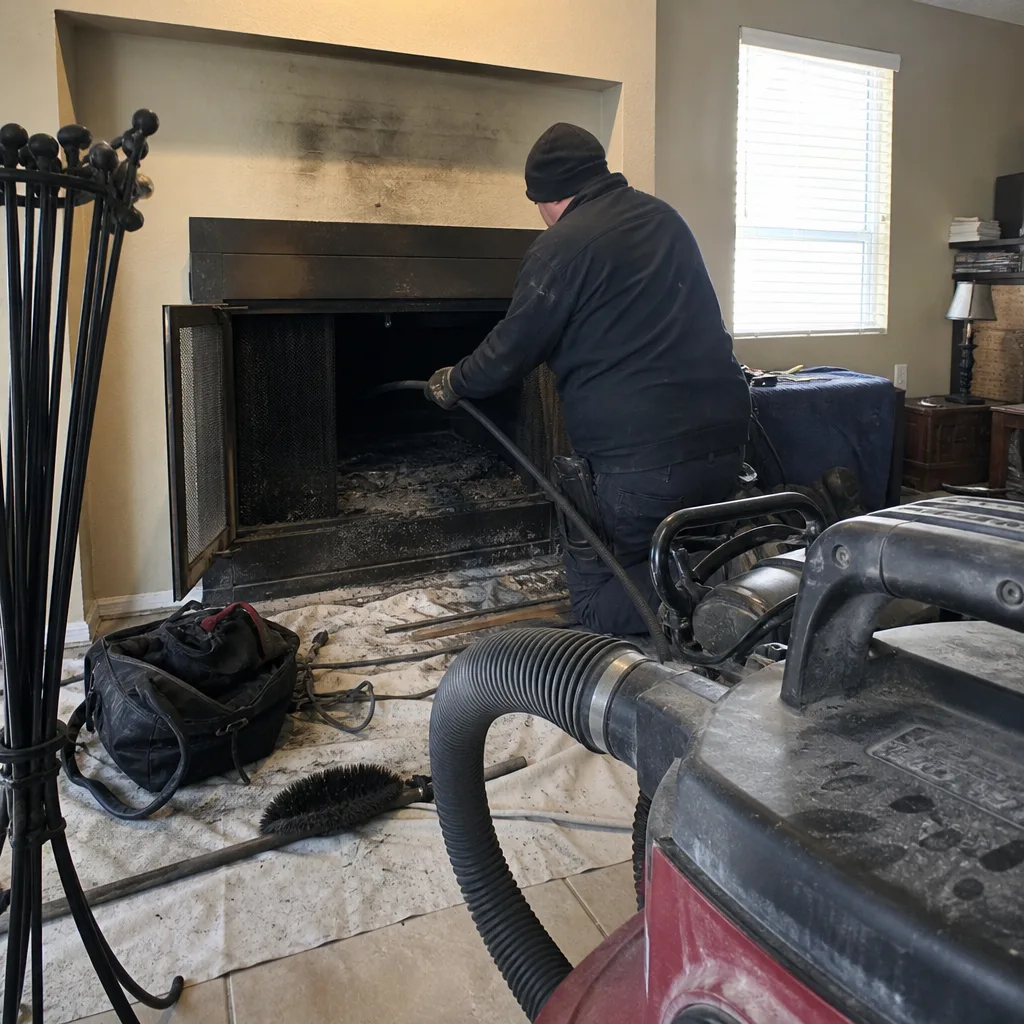 Before
 After
After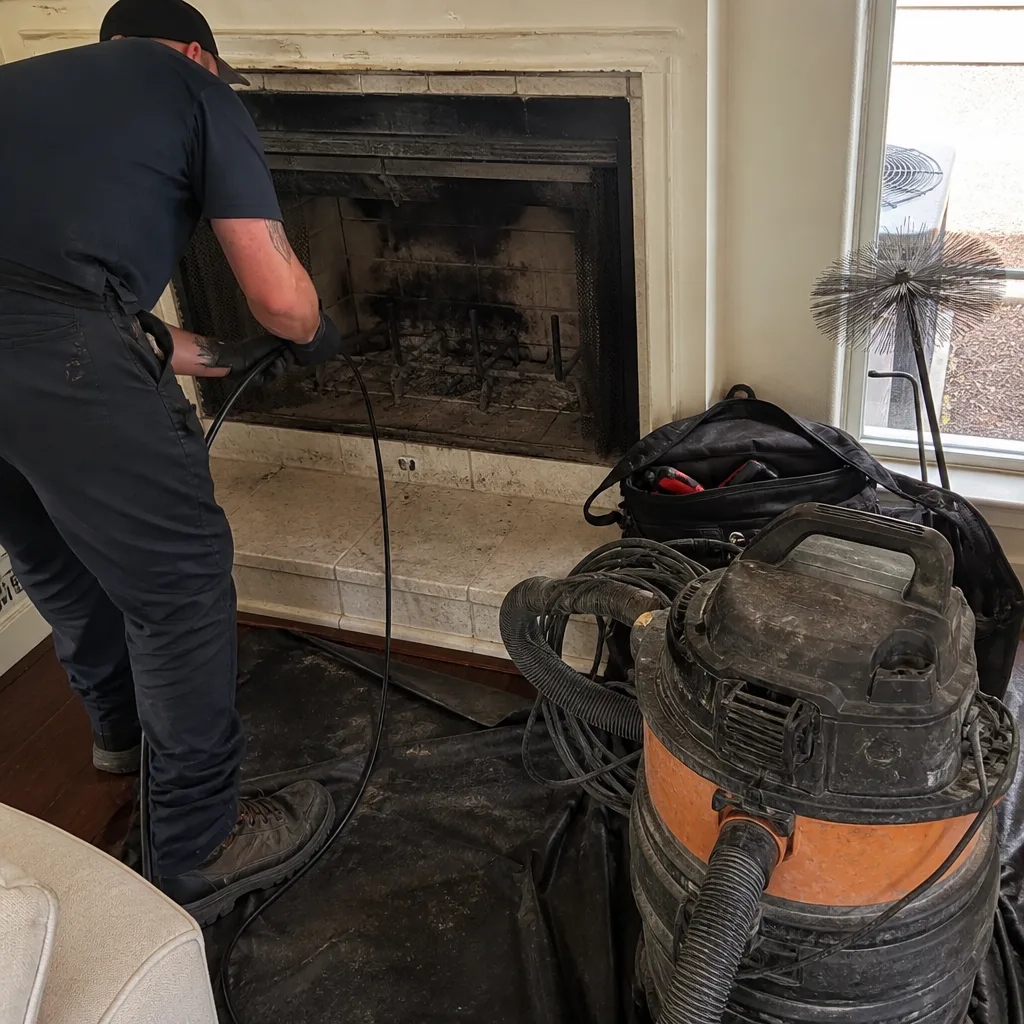 Before
 After
After