
Last updated October 15, 2026
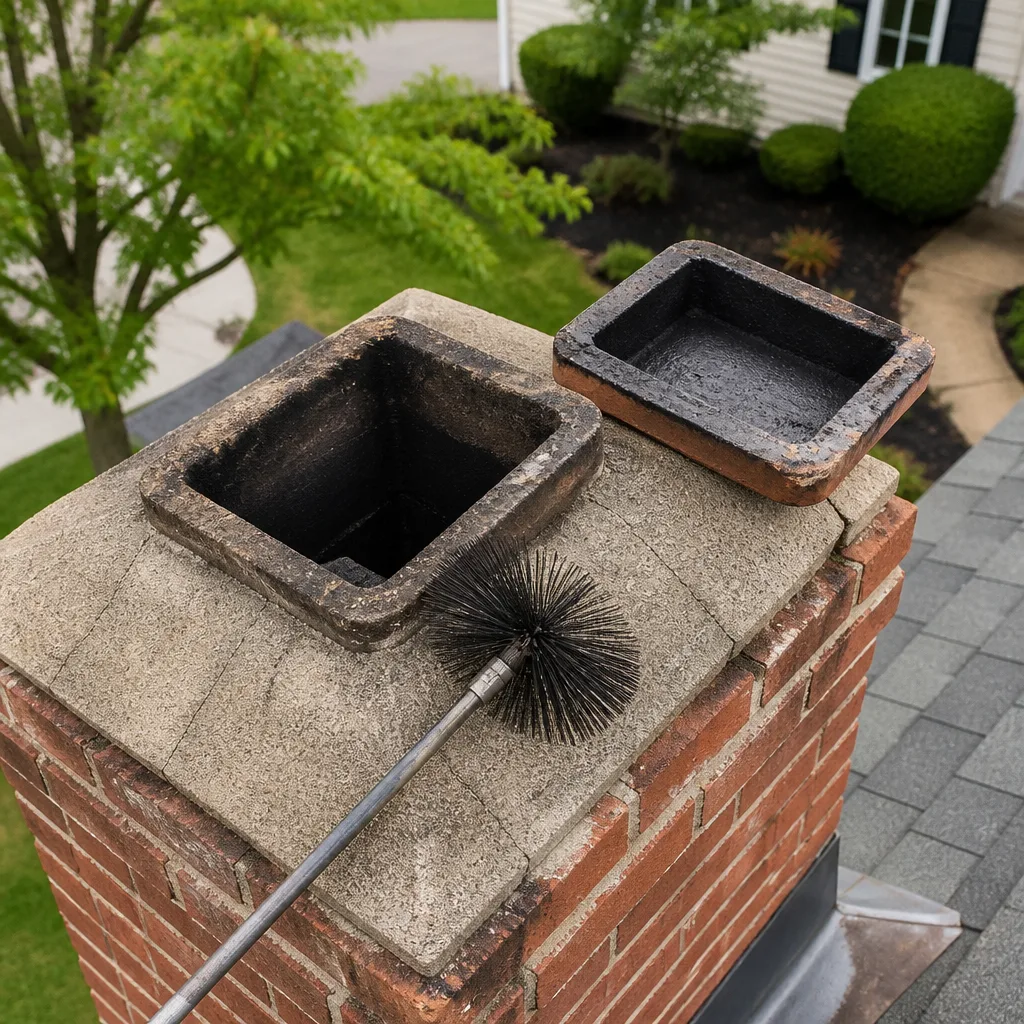 Sweep & inspection
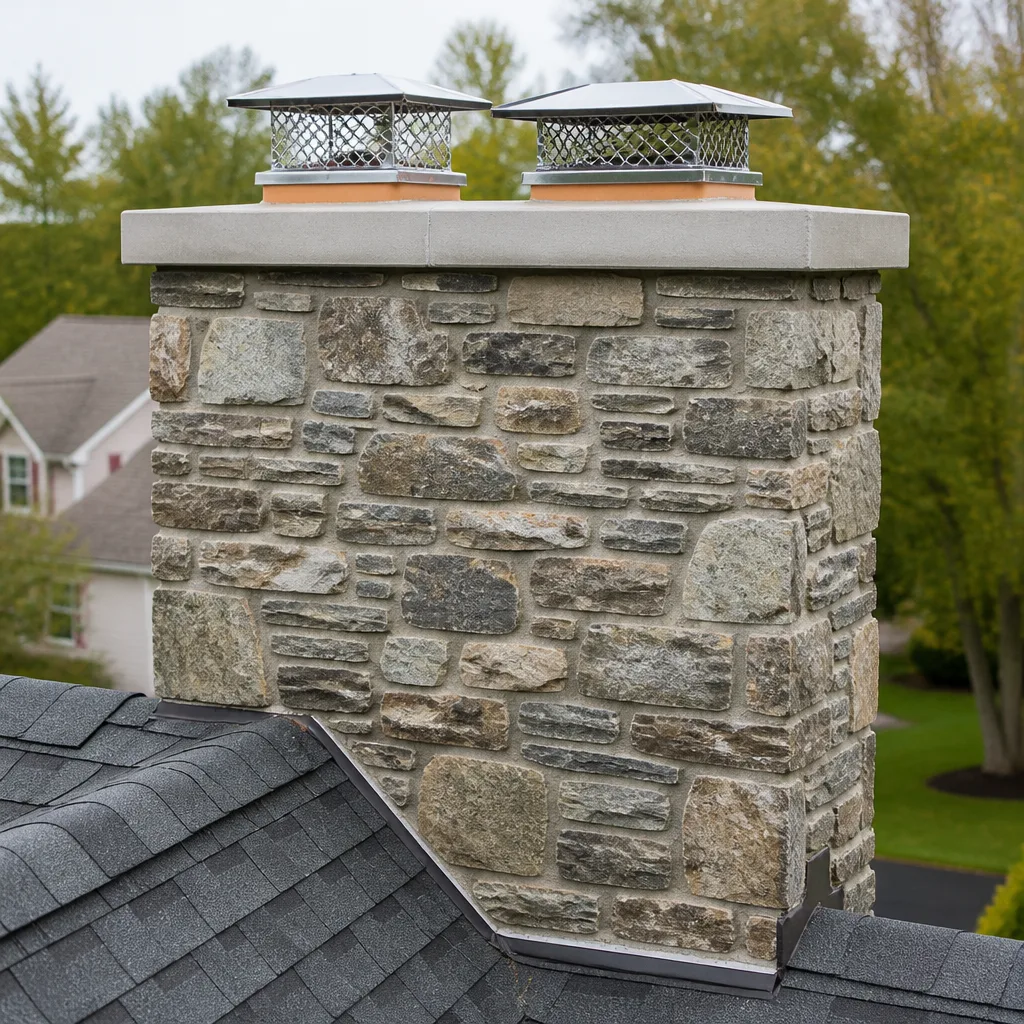 Caps & crowns
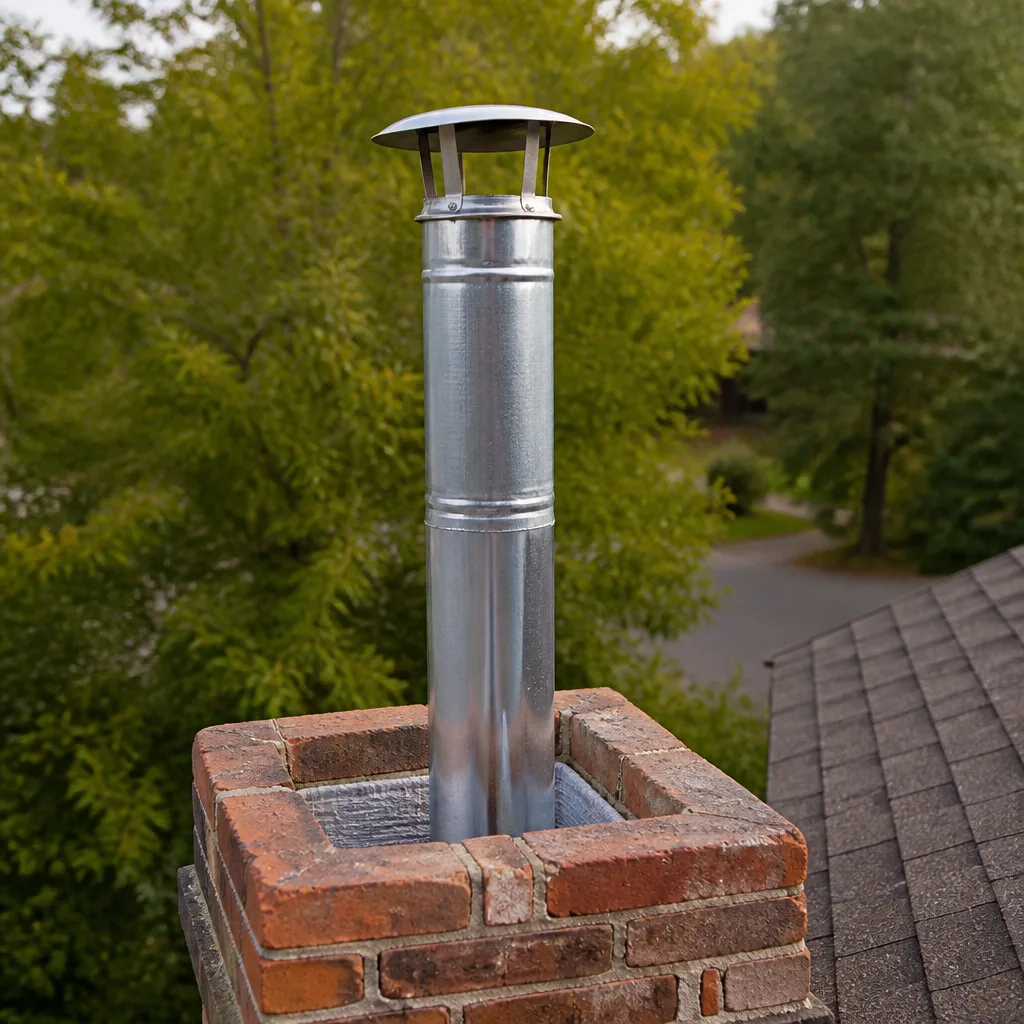 Flue relining
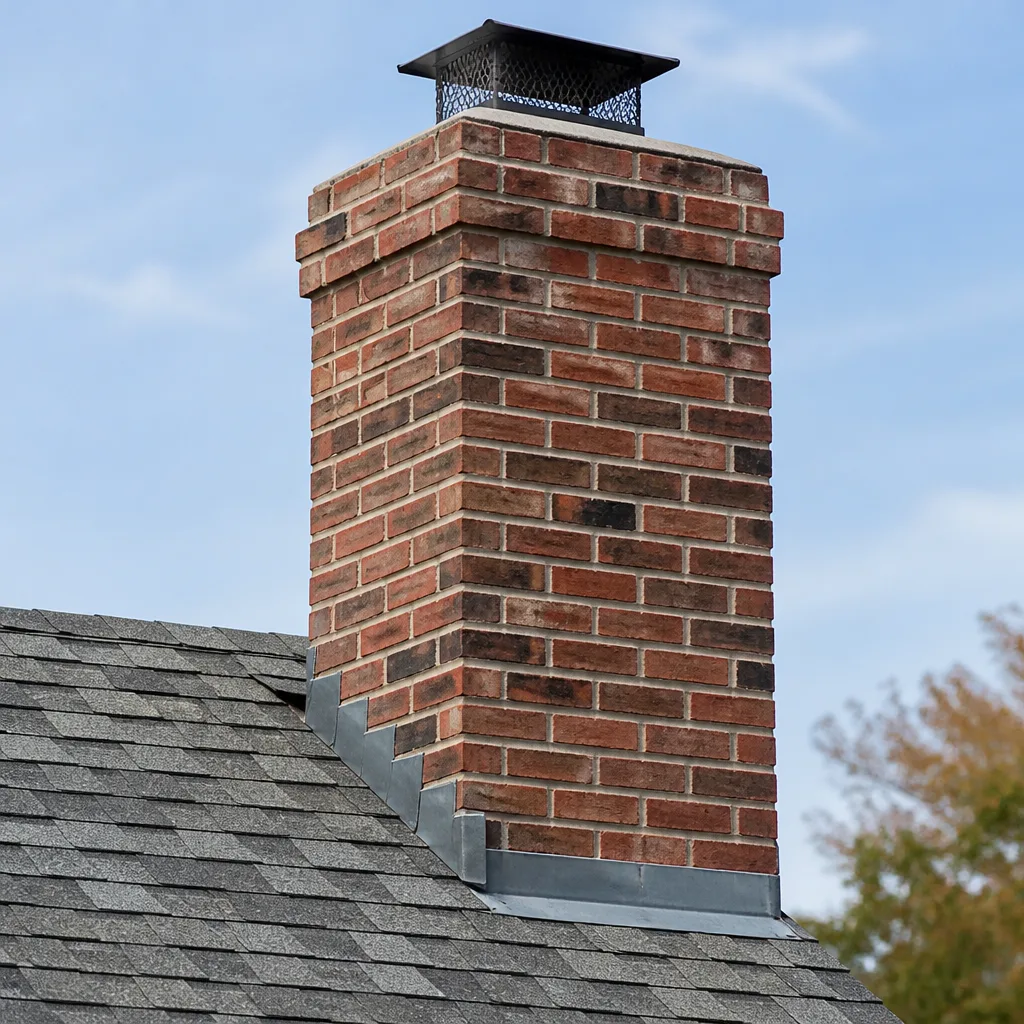 Masonry repair
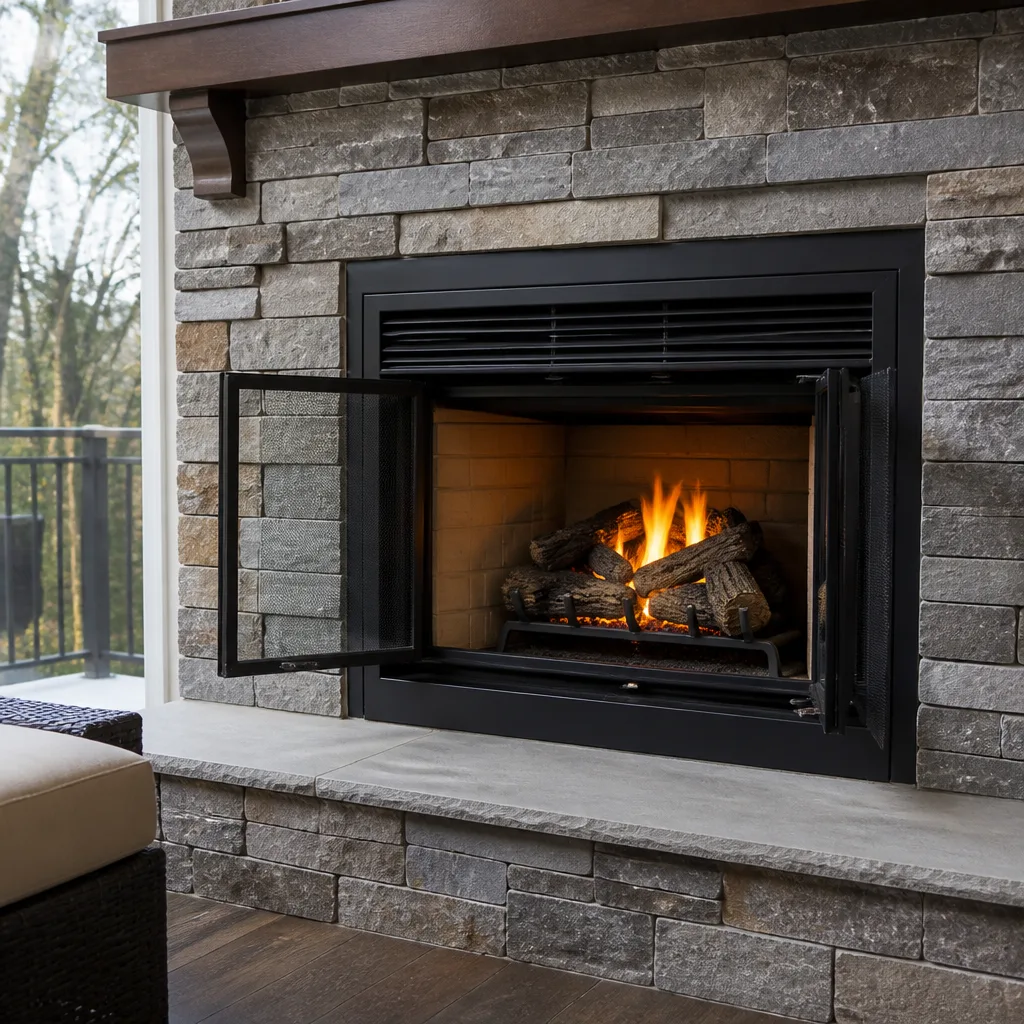 Gas fireplace service
Level 1 sweep and inspection to the NFPA 211 annual standard - flue, crown, cap, and flashing checked and photographed
Chimney sweep logs do not sweep chimneys. They loosen some creosote - which then falls where a brush and vacuum still have to collect it.
Seasonal Chimney Cleaning Care for Las Vegas: Year-Round Homeowner’s Guide
Here’s something that surprises most Las Vegas homeowners: the single best month to clean a chimney in this city is April. Not October, not November, not the week before Thanksgiving. April is when the last fire of the season is already two or three weeks cold, the creosote has fully cured and hardened, and every chimney company in town is answering the phone on the first ring. What follows is a practical, month-by-month guide for Las Vegas chimney care, written from the perspective of a company that has cleaned thousands of flues here since 2002, with Chimney Cleaning Warning Signs: A Las Vegas Homeowner’s Reference Guide and more guides & resources below. You’ll learn what the desert climate actually does to a chimney, which seasonal tasks matter and which are optional, and what every job should cost before you sign anything.
Styles & brands we work with
Quick Answer
In Las Vegas, a chimney should be professionally inspected once a year, and swept whenever the technician finds 1/8 inch or more of creosote buildup or any blockages. The best window for annual service is April through May, after the last burn of the season, and the October pre-season check is a 10-minute visual routine, not a substitute for a professional look. A standard sweep in Las Vegas typically costs $139 – $219, and a Level 1 inspection often runs $99 – $179 depending on the home and access-see our Chimney Cleaning Cost Breakdown: The Las Vegas Homeowner’s Reference for 2026 for full pricing details.
Table of Contents
- Why April Is the Real Chimney Season in Las Vegas
- What 115-Degree Summers Do to Your Chimney
- Monsoon Season: July to September Debris and Moisture Risk
- The October Pre-Season Check: What to Look For in 10 Minutes
- The Las Vegas Chimney Service Calendar: Season-by-Season Tasks and Costs
- Creosote in the Desert: It’s Not a Cold-Climate Problem
- Common Mistakes to Avoid
- When to Call a Professional
- Frequently Asked Questions
- The Bottom Line
Why April Is the Real Chimney Season in Las Vegas
Las Vegas gets, in a good year, about six weeks of consistent fireplace weather. That’s it. From roughly mid-December through late January, the overnight lows drop far enough that a fire actually makes sense. By February the evenings are mild again, and by the second week of March the fireplace is done for the year. The compressed burn season creates a counterintuitive reality: the most important chimney work in Las Vegas happens in months when no one is thinking about fireplaces.
April matters for three technical reasons. First, creosote cures. When you stop burning, the tar-like deposits on your flue walls cool and harden. Sweeping cured creosote is cleaner and more complete than sweeping soft, sticky deposits from an active season. Second, April is dry and mild in Las Vegas, which means a technician can work comfortably on the roof without heat fatigue, and mortar repairs cure properly. Third, and most practically: capacity. Call a chimney sweep in Las Vegas in April and you will likely get an appointment within days. Call in late October and you are scheduling into a backlog that runs two to three weeks into prime fireplace weather. That means your first fire happens before the flue has been verified clean. That is the exact order of operations we tell homeowners to avoid.
One thing we’ve learned from two decades of April sweeps in Las Vegas: the post-season inspection catches more than the pre-season one. A flue that was clean in November and burned from December through February will show its true condition in March and April. Hairline cracks, shifted tiles, water stains from a bad cap, all of it is easier to read after the season than before it. If you do one chimney task in Las Vegas this year, do the April inspection. You can book a Chimney Sweep in Las Vegas then and be done with it before the first 100-degree day.
What 115-Degree Summers Do to Your Chimney
Summer in Las Vegas is not a dormant season for a chimney. It is the season when the structure is under the most physical stress of the year. A chimney on a Las Vegas roof endures daily temperature swings of 40 to 50 degrees from June through August: 110-plus by mid-afternoon, down to the 70s before dawn. Masonry expands and contracts with every cycle. Over the course of a single Las Vegas summer, a brick chimney goes through more than 90 of those cycles.
Here is what that actually means, component by component.
- Mortar joints: Hairline cracks in mortar are common on Las Vegas chimneys after several summers. These are usually cosmetic at first, but once a crack widens to 1/8 inch, water gets in, and the freeze-thaw cycle, rare as it is here, does real damage on the one or two nights a year it dips below freezing. Monitor joints annually; repair when cracks are wide enough to fit a dime.
- Damper seals: The metal damper plate inside the throat of the fireplace warps under sustained heat. A warped damper does not seat fully, which means cooled air escapes into the chimney all summer. You may not notice the energy cost, but you will notice the draft in winter. A damper that rocks when you press on it needs adjustment or replacement. This is a straightforward repair.
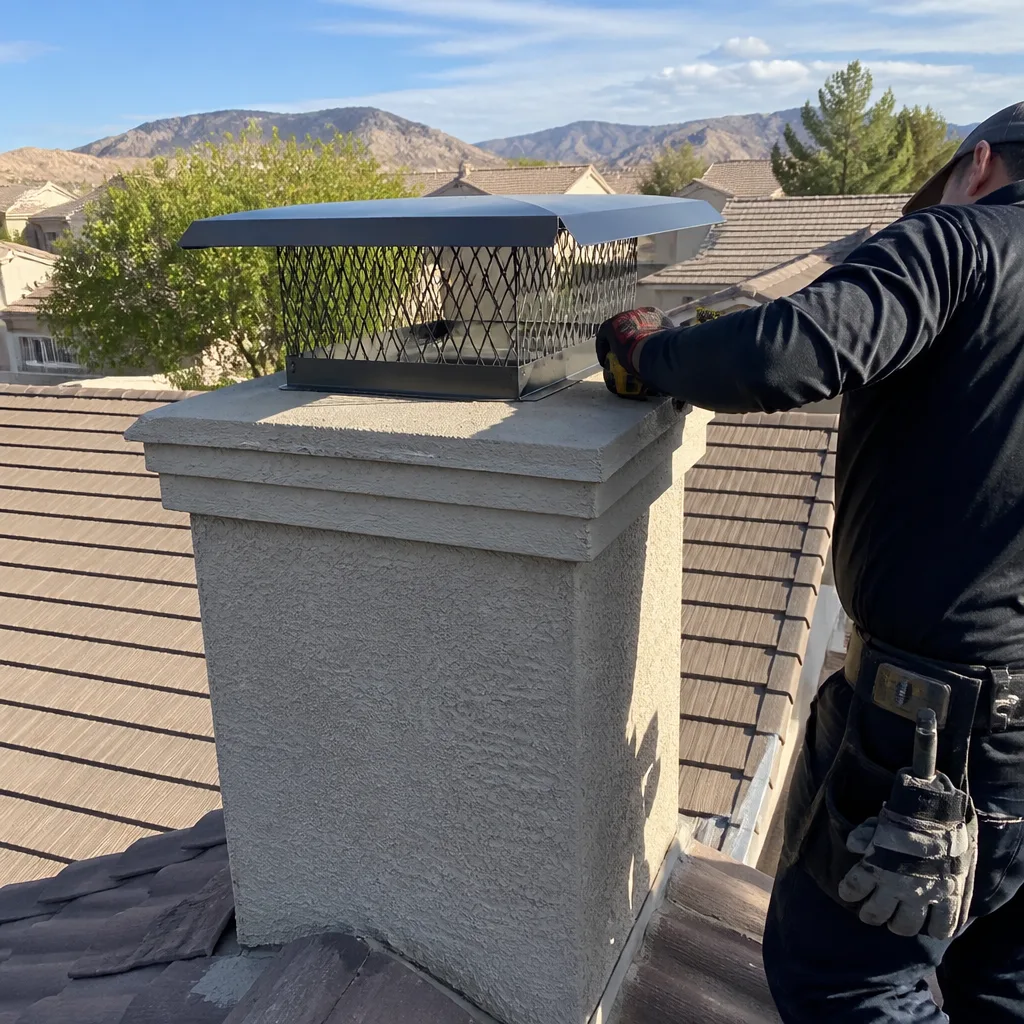
- Chimney caps: Non-stainless caps corrode in the summer UV exposure. A rusted cap with a hole lets rain from monsoon storms straight into the flue. We recommend stainless caps for Las Vegas specifically because they hold up under the desert sun where galvanized ones fail faster.
- Flue liners: Clay tile liners crack at different rates than the surrounding masonry, because the liner bakes in the flue’s internal heat while the exterior brick cools. A cracked liner is not a summer emergency, but it is a fire safety issue by the next burn season, and a professional inspection is the only way to know for sure.
The practical takeaway: summer is a monitoring season. You don’t need to be on the roof in August. But if you see new rust staining, crumbled mortar at the roofline, or a cap that looks tilted, those are not wait-until-October items. A Chimney Inspection in Las Vegas can tell you in under an hour which items are structural and which are cosmetic.
Monsoon Season: July to September Debris and Moisture Risk
Las Vegas monsoons are sporadic, sudden, and specific in how they affect chimneys. Between July and September, the valley gets most of its annual rainfall, often in 20-minute downpours with strong wind. That wind moves debris: palm fronds, mesquite pods, tumbleweed, casino-area paper trash, and a surprising amount of bird nesting material. All of it ends up either in the chimney or on the cap.
Moisture is the bigger issue. A Las Vegas chimney is not built for repeated wetting. Homes here do not have the same water management expectations as homes in wetter climates, and the chimney cap is often the only line of defense. Here is what we check after monsoon season, specifically in Las Vegas homes:
- Water stains on the ceiling around the chimney chase, or on the firebox walls. This means water entered from above, almost always through a failed cap, cracked crown, or damaged flashing.
- Debris accumulation on the cap screen or rain pan. A single palm frond can block enough airflow to cause a weak draft that pushes smoke back into the room.
- Rust on the damper assembly. A damper that rusts in July stays rusty in December, and a stuck damper is worse than no damper when you’re trying to light the first fire.
- Bird or rodent nesting in the flue. Monsoon storms flush animals out of low ground and into high, sheltered spaces. An uncapped flue is an invitation.
Most monsoon damage is preventable. If you have a properly installed stainless cap and the masonry crown is intact, rain and debris will not enter. If you don’t have a cap, or you have an older galvanized one, monsoon season is the annual reminder that you should. We install caps on more Las Vegas chimneys in September than in any other month, and the reason is simple: homeowners discover water intrusion when it rains, not when it’s dry.
The October Pre-Season Check: What to Look For in 10 Minutes
Buckling up for the first fire of the season without a look at the chimney is like running the furnace without checking the filter. You can do it, and you can also be wrong in a way that costs you. Here is a 10-minute routine we recommend to every Las Vegas homeowner in October, before the first cool night. Do this in daylight, no tools required.
- Look at the roof line from the driveway. Is the chimney cap still there, sitting level? Is there visible rust staining? A tilted or missing cap is a call to a professional before you burn.
- Check the firebox. Shine a phone flashlight up as far as you can see. Look for dark, shiny, tar-like buildup, that is creosote, and any visible obstruction like a nest or debris pile at the base of the flue.
- Open and close the damper. It should move freely and seat fully. A damper that sticks, squeals, or has visible rust needs service.
- Test for a draft. With the damper open, light a match or a strip of newspaper and hold it just inside the firebox. The smoke should pull upward into the flue. If it billows back into the room, the flue is blocked or there is a negative pressure issue in the house, common in newer, tightly sealed Las Vegas homes.
- Wear a white glove and run a finger along the inside of the flue, as far as you can reach. If you can pull out a finger covered in black, flaky or gooey material, or if the buildup is thick enough to cover the texture of the flue tile, skip the inspection and call a sweep.
One caution: do not attempt to clean the chimney yourself from the roof. The slope of a Las Vegas roof combined with loose desert dust makes footing uncertain, and the tools that actually remove hardened creosote require training to use safely. The above is a check, not a cleaning. If anything in the list is a no, the next step is professional. Our sweeps at Alcott Chimney Las Vegas home see dozens of October calls where the homeowner did this exact check and found something early enough to fix before the first fire. That is how it should work.
The Las Vegas Chimney Service Calendar: Season-by-Season Tasks and Costs
Here is the full year, laid out as tasks and realistic Las Vegas price ranges. Prices vary with home size, roof access, and flue condition, but these are the numbers homeowners have paid in Las Vegas for this work in recent seasons, no surprises, no upsells.
| Season | Primary Task | Typical Cost in Las Vegas | Why This Season |
|---|---|---|---|
| April – May | Post-season sweep and Level 1 inspection | $139 – $219 sweep; $99 – $179 inspection | Creosote is cured; best access and scheduling; catches season-end damage |
| June – August | Visual check of mortar, cap, and flashing; note any movement | Free if part of a routine visit; $79 – $149 for a cap-only inspection | Heat expansion stresses masonry; early rust and crack detection |
| September | Post-monsoon cap and water intrusion check; clear debris | $89 – $129 for debris clearing; cap replacement $225 – $450 installed | After the rainy period; before the burn season rush |
| October | Homeowner pre-season check; schedule professional inspection if any concern | $0 for the 10-minute check; $99 – $179 for professional inspection | Catch problems before the first fire; avoid the late-fall backlog |
| November – December | Start of burn season; use and enjoy | N/A during normal use | Fireplace is in regular use; monitor for smoke and odd smells |
| January – February | Late-season observation; schedule April service | N/A | End of burn season; note any performance issues for the post-season visit |
A note on the calendar: these costs are for standard masonry chimneys and prefab fireplace units common in Las Vegas homes built after 1990. If you have a gas log set or a gas fireplace insert, the cost picture shifts entirely and a Gas Fireplace Repair in Las Vegas service has its own service intervals. The point of the calendar is not to pressure you into a schedule. It is to show that chimney care is affordable when done in the right season, and expensive when done as an emergency.
Creosote in the Desert: It’s Not a Cold-Climate Problem
Las Vegas homeowners sometimes assume creosote is a colder-climate issue, something that happens to chimneys in Minnesota or Vermont where fires burn for six months straight. That assumption is wrong. Creosote forms in any wood-burning flue, and the short, intense Las Vegas burn season has its own creosote profile.
Creosote is the tar-like buildup that forms when wood smoke condenses on the inside of a flue. Three conditions drive it: incomplete combustion, cool flue temperatures, and unseasoned wood. Las Vegas has all three. The wood sold in desert markets is often not seasoned as long as it should be, and homeowners burn hot, fast fires for a few hours at night, then let the flue cool completely for days. That cooling cycle is exactly what causes condensation. The result, in our experience, is that a six-week Las Vegas burn season can produce creosote deposits as significant as a four-month season in a damper climate, and they can be harder, denser, and more stubborn to remove because they have cured in the dry heat.
Glazed creosote is the concern. It is a hard, shiny, black layer that forms when creosote bakes at high temperature. It is the most combustible form of creosote, and it requires professional removal. Our technicians see glazed creosote in Las Vegas chimneys more often than you might think, especially in homes where hardwood is burned hot and the flue is never brushed mid-season. A chimney fire is always a risk when creosote is present, and in Las Vegas where urban fire response is quick but structure fires still happen, the risk is never worth taking.
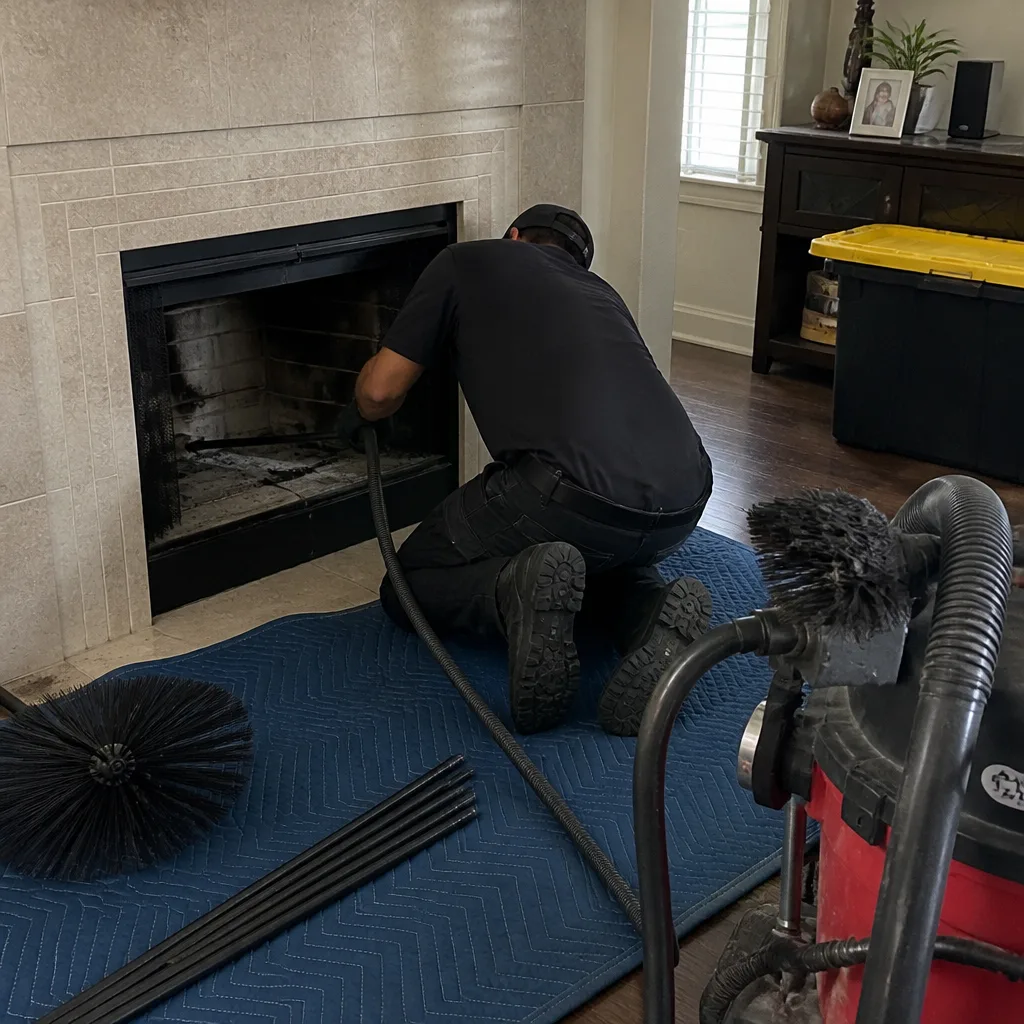
Here is the practical guidance: if you burn wood more than ten nights a season, schedule a professional sweep in April and do not skip the year after a year of heavy use. If you notice a strong, acrid odor coming from the fireplace in summer, that is the smell of creosote off-gassing in the heat, and it is a signal that buildup is thick enough to warrant a call sooner. We use professional brushes and vacuum systems for this work, the same tools we’ve used on Las Vegas flues since 2002, and we don’t recommend chemical creosote logs as a substitute for a mechanical sweep when buildup is visible.
Common Mistakes to Avoid
- Waiting until October to schedule a sweep. Every Las Vegas chimney company is booked in October. You’ll wait, or you’ll pay more, or you’ll burn before the flue is verified. Schedule April and you’re done.
- Assuming a one-year-old chimney is automatically clean. New construction in Las Vegas often includes a fireplace that has never been fired. On first use, construction debris and packaging in the flue can be a hazard. Always inspect before first burn, even in a new home.
- Burning treated lumber, painted wood, or trash in the fireplace. These produce toxic fumes and accelerate creosote buildup. Use seasoned firewood only. In Las Vegas, that means buying from a dealer who stores wood covered, not from a gas station bundle.
- Ignoring a damper that won’t close fully. In an air-conditioned Las Vegas summer, a leaky damper costs you money every day. And in winter, a damper that won’t open fully is a carbon monoxide risk.
- Using a gas log set without checking the flue first. Many Las Vegas homes have wood fireplaces converted to gas logs. The flue still needs an annual check for blockages and liner damage. Gas produces less creosote, but it does produce moisture and acidic byproducts that eat at masonry.
- Skipping the annual inspection because the fireplace looks fine from the couch. The single most expensive chimney problems, cracked liners, failed flashing, degraded crowns, are invisible from inside the house. A Level 1 inspection in Las Vegas costs roughly the same as a nice dinner for two, and it catches the issue before it becomes a $3,000 repair.
When to Call a Professional
Some situations are not do-it-yourself, and the line is clear. Call a professional if you see thick, shiny creosote buildup you cannot reach, if you find animal nesting material in the flue (which can carry disease), if the chimney cap is missing or visibly damaged, if you see new cracks or gaps in the masonry, or if you smell smoke, gas, or unusual odors from the fireplace when it is not in use. Any of these means the chimney is not safe until a trained eye has looked at it. Alcott Chimney Las Vegas offers free estimates in Las Vegas. Call (725) 227-7352, and a live person answers, any time, day or night.
Frequently Asked Questions
A standard chimney sweep in Las Vegas typically costs $139 to $219. The price depends on the home, the flue type, roof access, and the amount of buildup. You’ll get a written price before any work starts, every time, with no hidden add-ons at the end. Call (725) 227-7352 to get a specific number for your home, estimates are free.
Once a year, ideally in April or May, after the last fire of the season. The National Fire Protection Association standard is the same everywhere: annual inspection, and sweep when creosote reaches 1/8 inch thickness. In Las Vegas, even light seasonal use warrants an annual look because cured creosote hides in flue crevices and doesn’t burn off on its own.
Only if the existing liner is cracked, spalling, or missing sections. A cracked clay tile liner is a fire hazard and a carbon monoxide risk. Before we recommend a liner replacement or a DuraFlex or HeatShield resurfacing system, we show you the camera evidence so you can see the crack with your own eyes. No camera evidence, no replacement recommendation, that’s a reasonable standard in Las Vegas.
Creosote builds up, and creosote is fuel. A hot fire can ignite it, causing a chimney fire that can crack the flue, spread to the roof framing, and in the worst cases, ignite the house. Short of that, a blocked flue can silently push carbon monoxide back into the house. These are not hypothetical outcomes. The annual cleaning in Las Vegas costs less than a tank of gas per month, and it prevents both.
We strongly advise against it. Las Vegas roofs are pitched and covered in loose dust and gravel, and chimney cleaning involves working at height with brushes that require strength and training to use without damaging the flue. More importantly, a proper cleaning includes an inspection for cracks and water damage that a DIY scrub will not catch. Hire a professional who is Threshold Verified, background-checked, and who will show you a photo ID at the door.
Yes in some ways, no in the foundation. Gas fireplaces don’t produce creosote, but they do produce acidic moisture that deteriorates masonry over time, and they still need annual flue checks for blockages, animal intrusion, and cap damage. Every vented gas fireplace we service in Las Vegas also gets a check of the log set, the valve, and the burner. A Gas Fireplace Repair in Las Vegas service includes the same visual safety points as a wood chimney inspection.
The Bottom Line
Las Vegas gives you a narrow window to get chimney care right. April and May are when the work should happen, when scheduling is easy and the post-season inspection catches what the off-season heat and monsoon will do. Summer is for monitoring, not ignoring. October is for a ten-minute check, not a cleaning. And the annual sweep is the one task that prevents both the mundane (a drafty damper, a musty smell) and the catastrophic (a chimney fire, a house full of carbon monoxide). Ruben Castellano and the Alcott team have served Las Vegas since 2002, and we answer the phone live, any hour. Call (725) 227-7352 to schedule a sweep or inspection, and you’ll get a written quote before any work starts, plus a written guarantee on every repair, with a free return visit if anything fails within the coverage period.
Written by Ruben Castellano, Owner at Alcott Chimney Las Vegas, serving Las Vegas since 2002. Browse more guides & resources on our blog.
See the difference
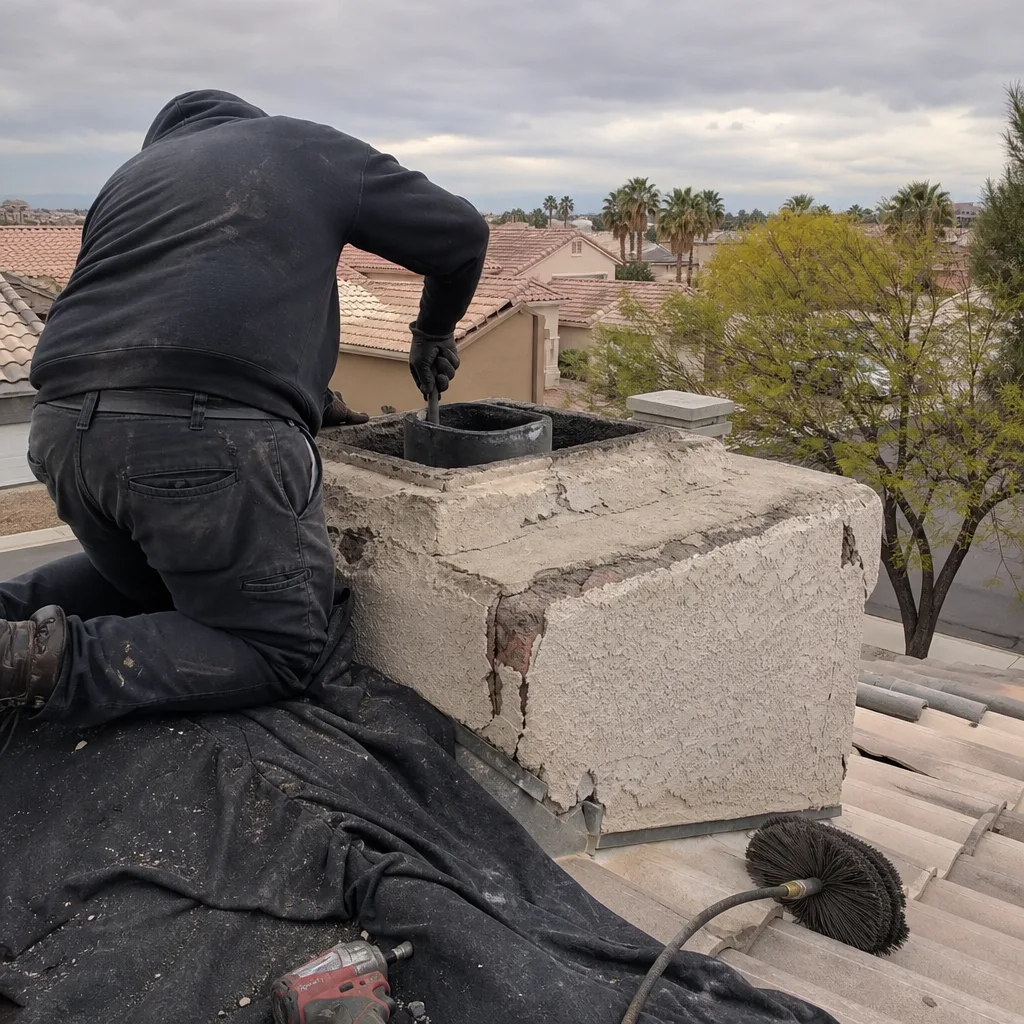 Before
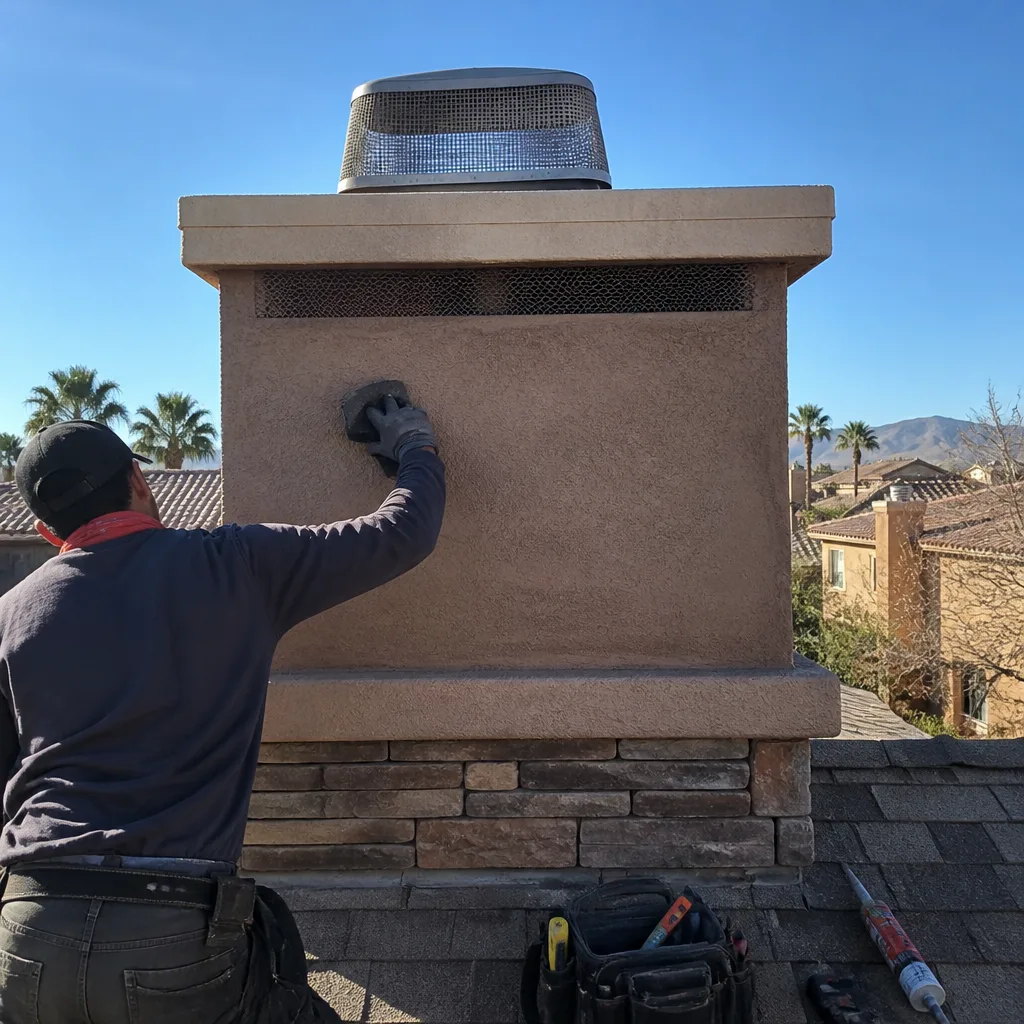 After
After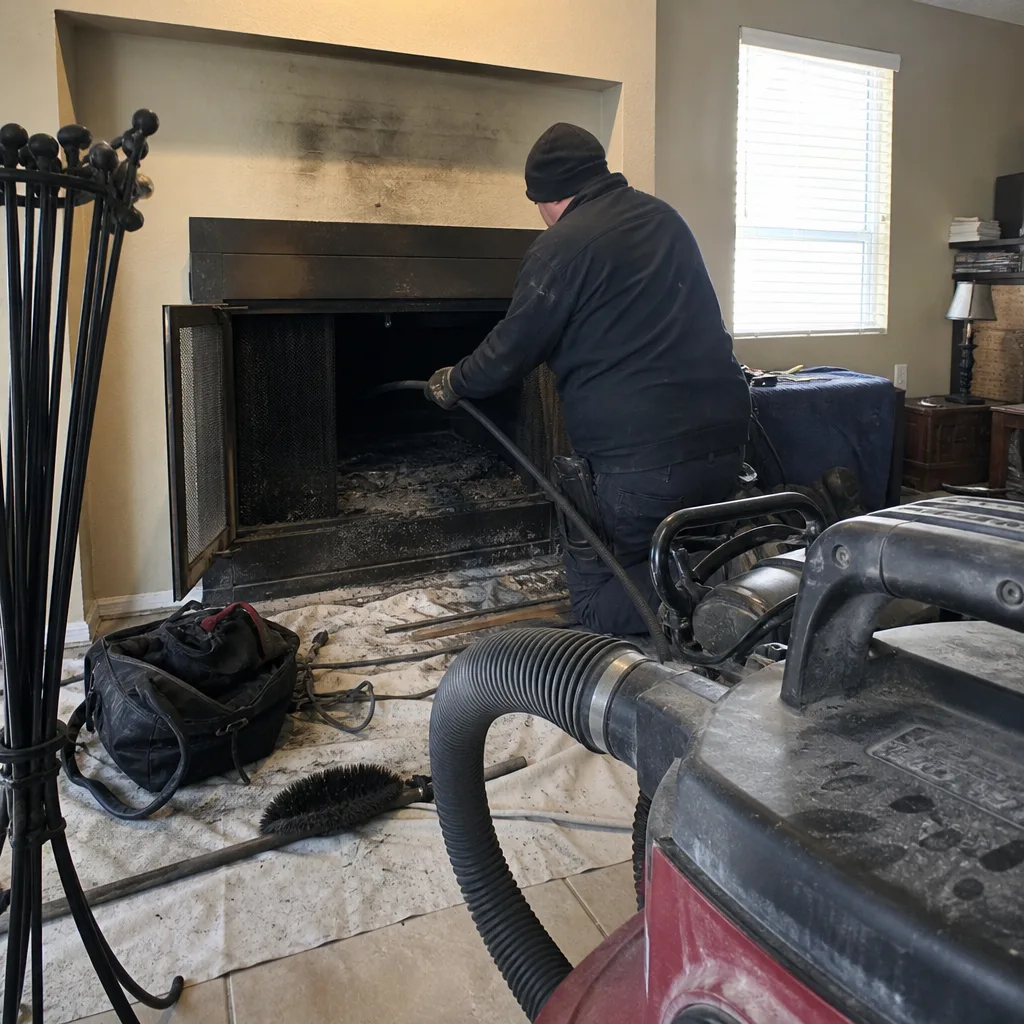 Before
 After
After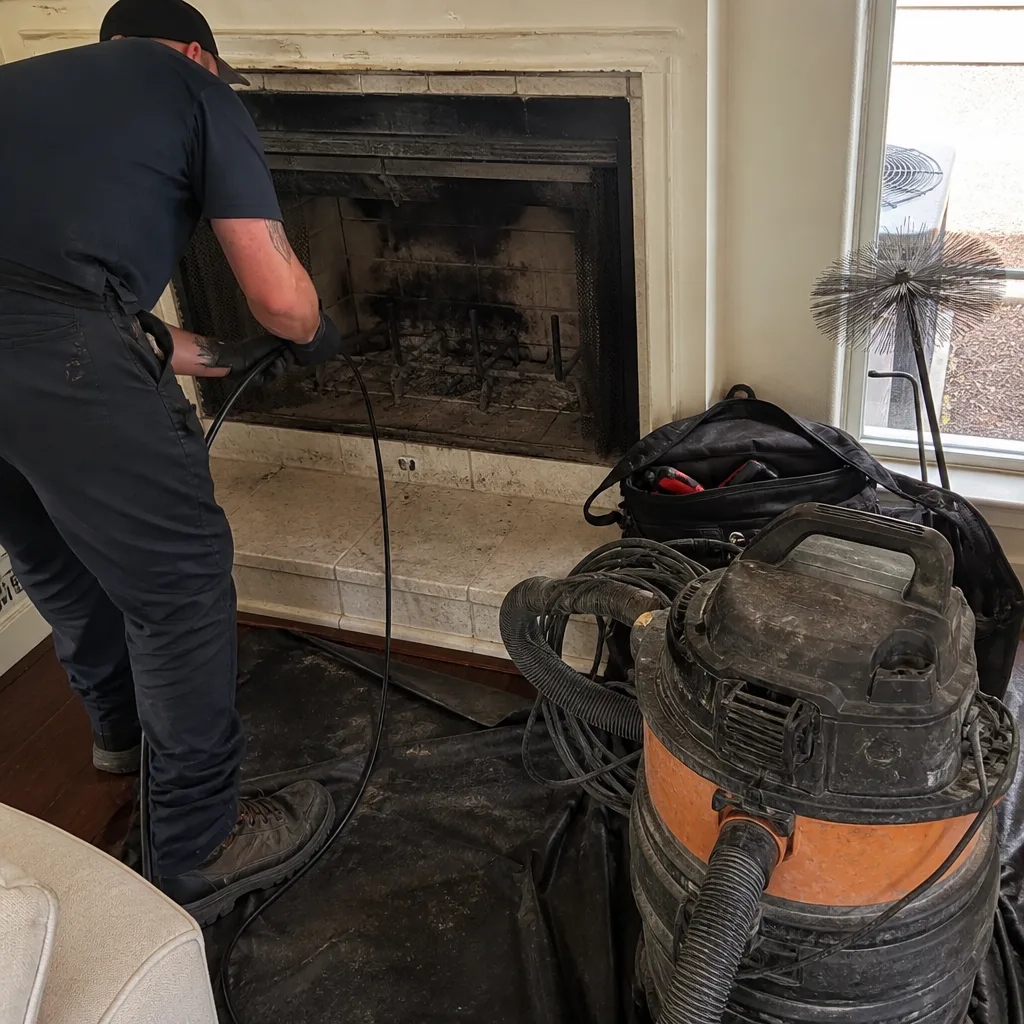 Before
 After
After