
Last updated October 15, 2026
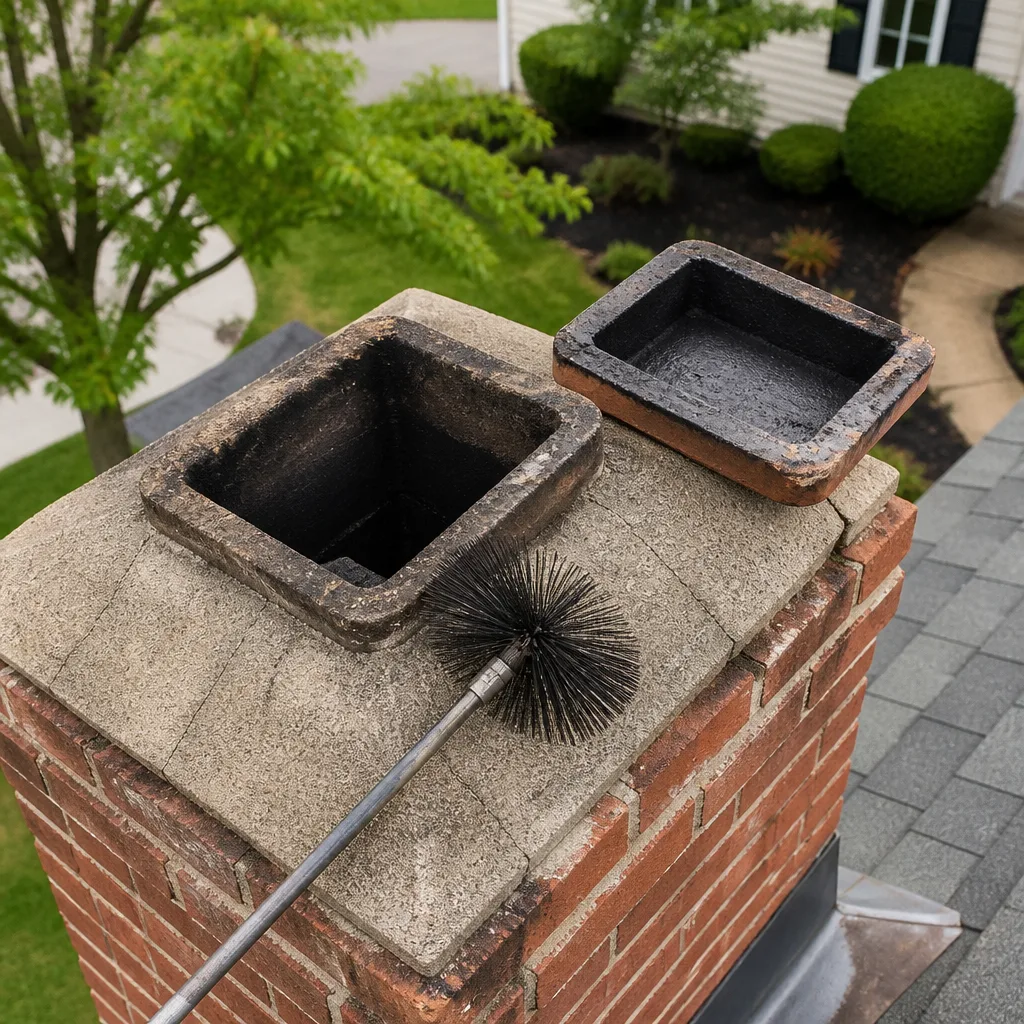 Sweep & inspection
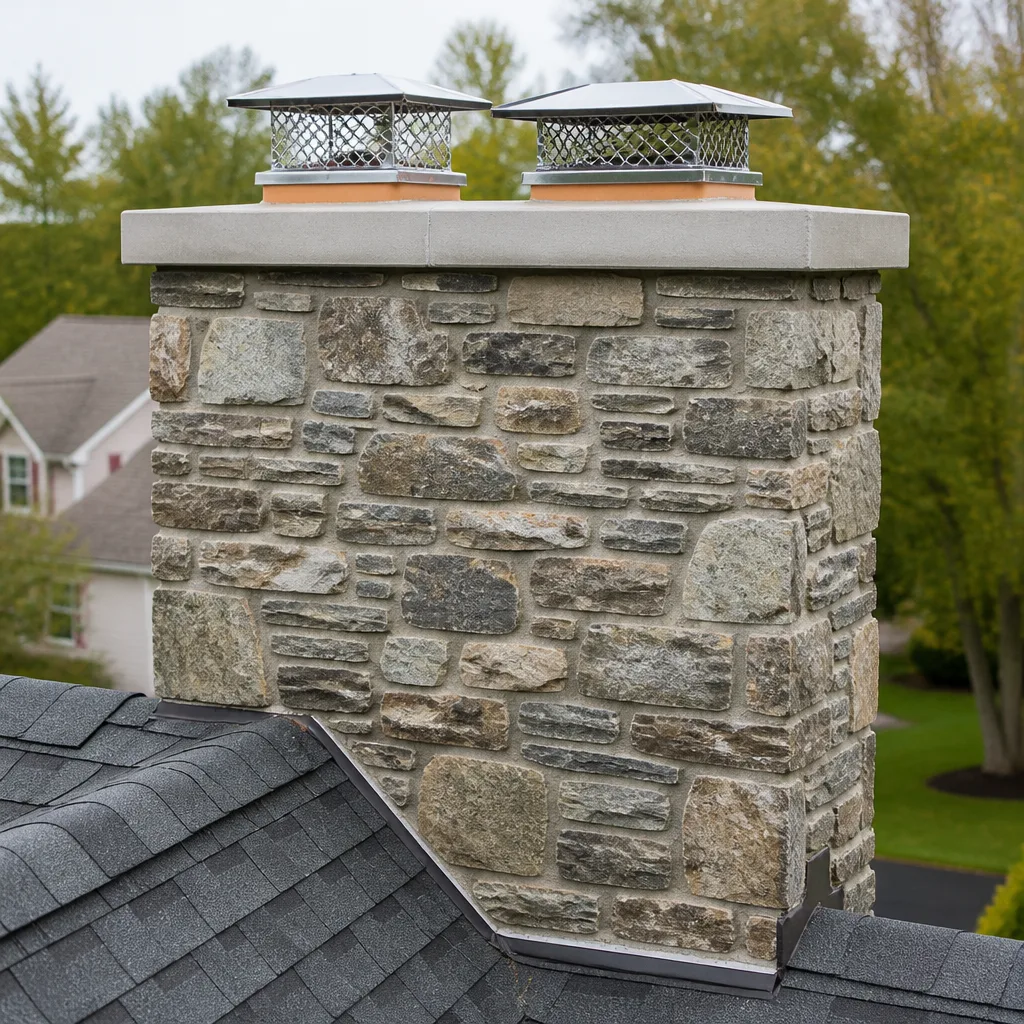 Caps & crowns
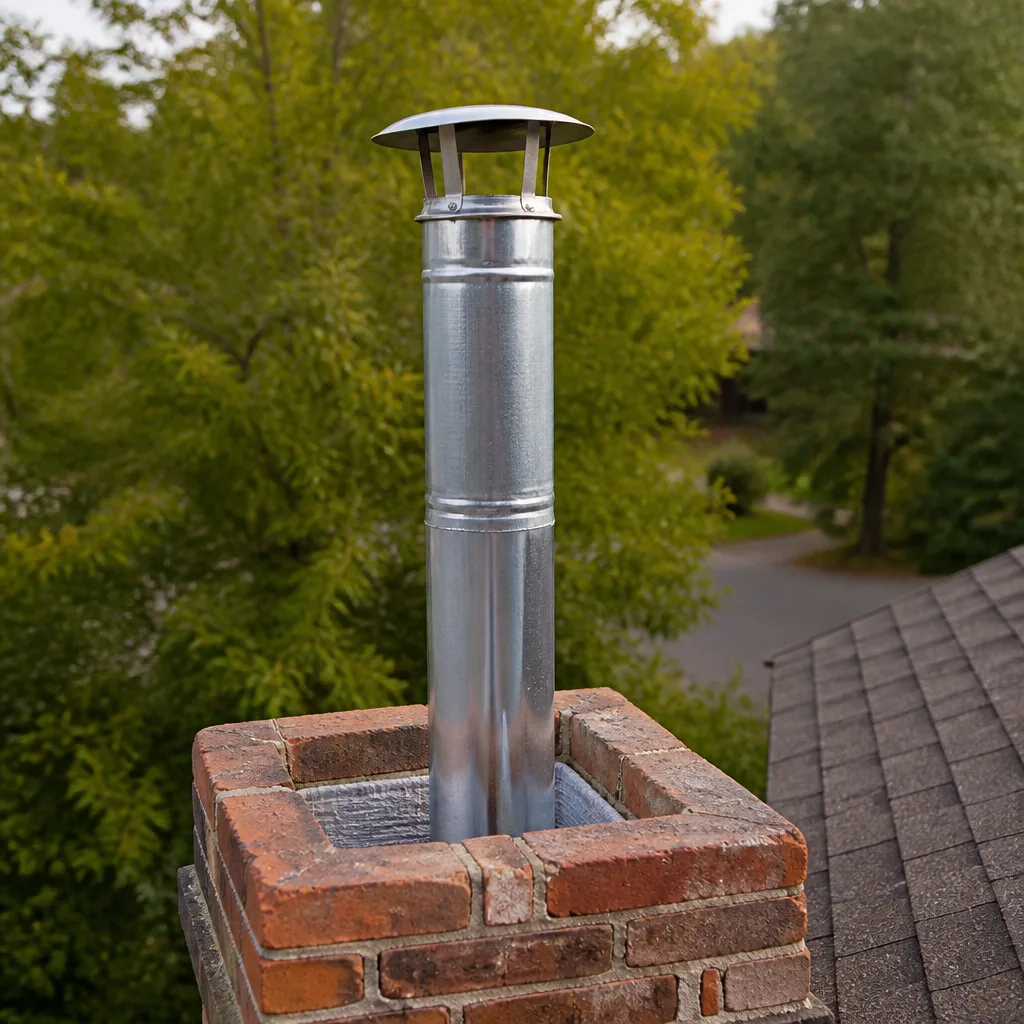 Flue relining
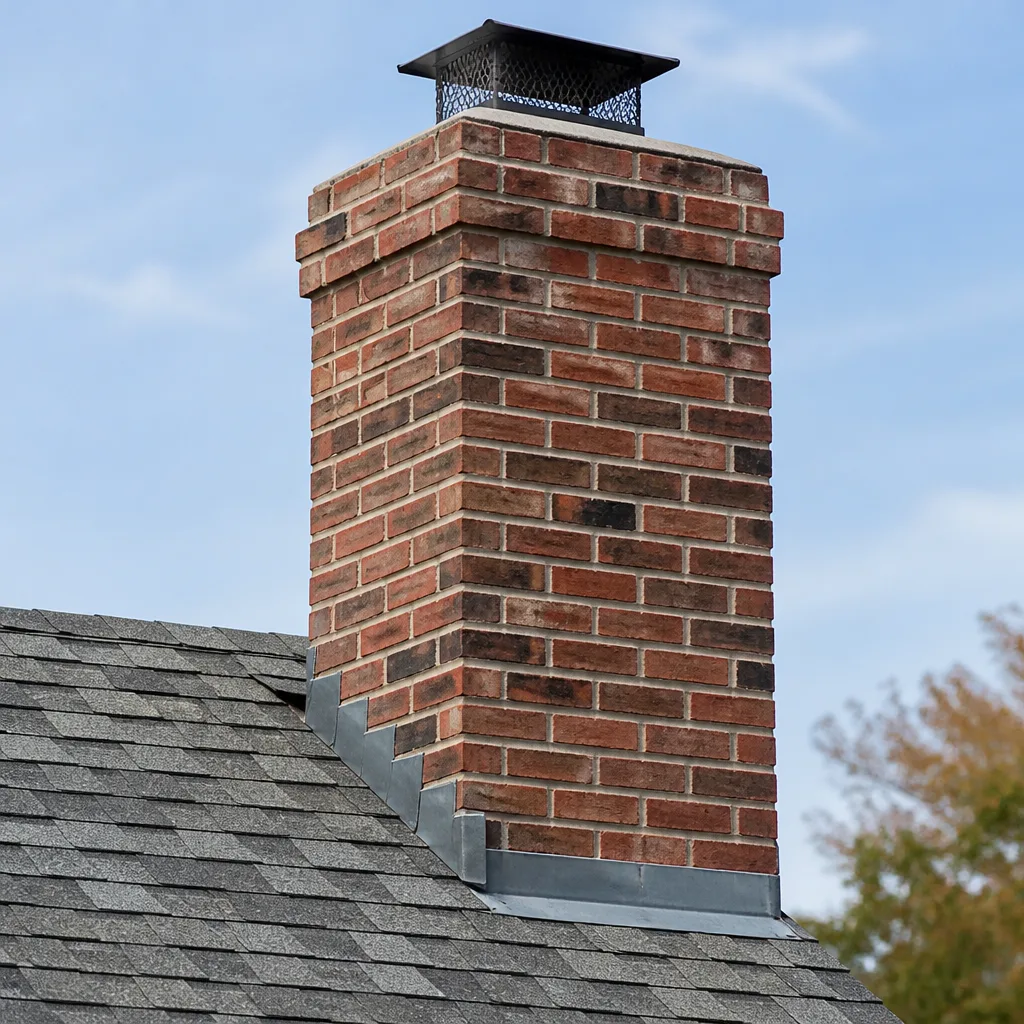 Masonry repair
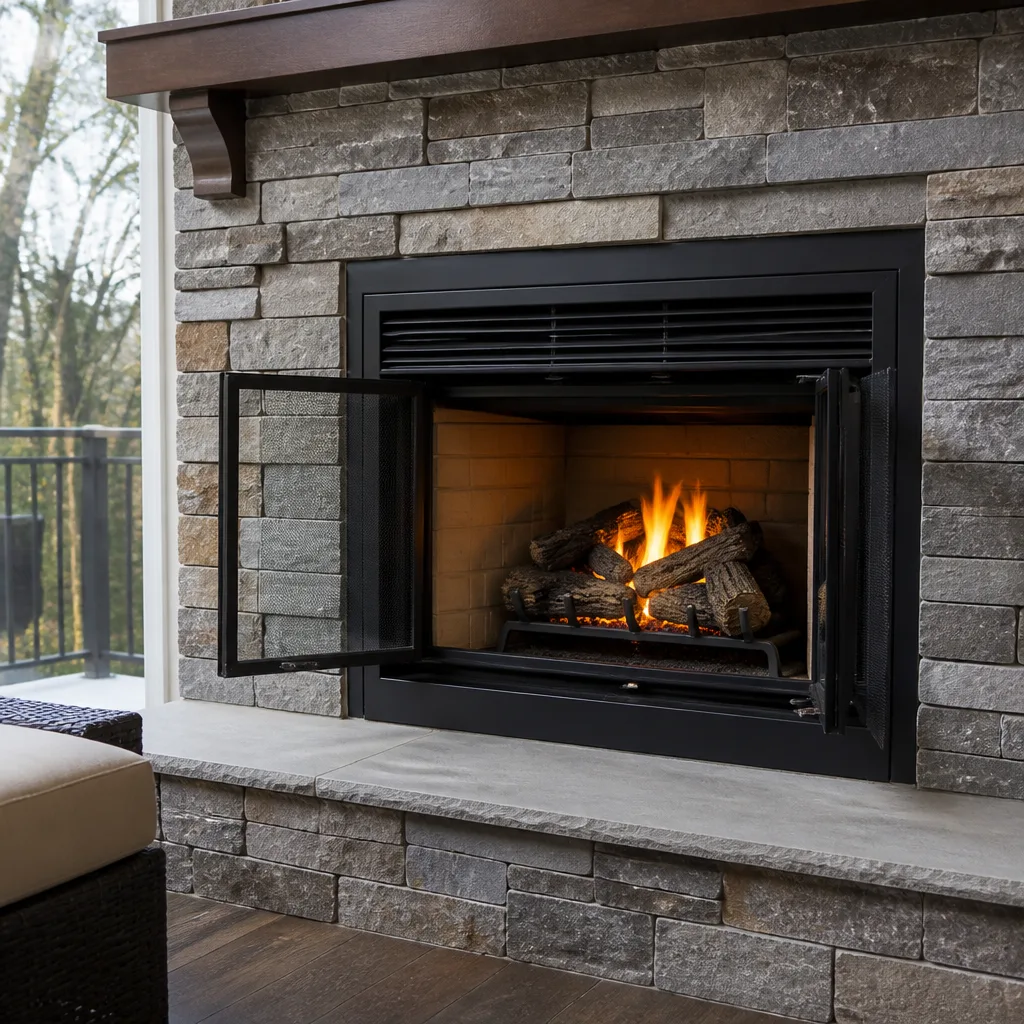 Gas fireplace service
Level 1 sweep and inspection to the NFPA 211 annual standard - flue, crown, cap, and flashing checked and photographed
Chimney sweep logs do not sweep chimneys. They loosen some creosote - which then falls where a brush and vacuum still have to collect it.
Chimney Cleaning Cost Breakdown: The Las Vegas Homeowner’s Reference for 2026
Two neighbors in Summerlin can pay wildly different amounts for what sounds like the same chimney sweep, and both can walk away thinking they got a fair deal. A $79 special and a $350 invoice can each be honest prices, but only one of them includes the inspection, written documentation, and repair guarantee that make the work actually worth paying for. Las Vegas homeowners who understand the line items behind a chimney cleaning quote stop overpaying for thin service and stop under-buying when their chimney genuinely needs more. This guide breaks down every cost variable, shows you how to read a quote for hidden scope gaps, and explains what a written guarantee is worth when something goes wrong after the crew leaves.
Quick Answer
A standard chimney cleaning in Las Vegas typically costs between $139 and $249 in 2026, while a cleaning bundled with a Level 1 inspection runs $199 to $349, and a Level 2 inspection with cleaning (common after a home sale or suspected damage) runs $299 to $549. The spread exists because “chimney cleaning” means different things to different companies: some quote the sweep only, some include inspection and documentation, and some strip out firebox cleaning or cap inspection to hit a low headline number.
Styles & brands we work with
Table of Contents
- What Chimney Cleaning Actually Costs in Las Vegas in 2026
- What “Chimney Cleaning” Does and Does Not Include by Default
- How to Read a Chimney Cleaning Quote for Hidden Scope Gaps
- Why the Cheapest Quote Often Generates a Second Invoice
- Creosote Stages and What Treatment Costs at Each Level
- What a 365-Day Guarantee Is Worth in Dollar Terms
- Las Vegas-Specific Factors That Affect Chimney Cleaning Prices
- How Often Should You Actually Clean a Chimney in Las Vegas?
What Chimney Cleaning Actually Costs in Las Vegas in 2026
Prices across the Las Vegas valley have settled into a fairly predictable range, but only if you know what scope you’re comparing. The table below reflects what we see in the local market across Henderson, Summerlin, North Las Vegas, Spring Valley, and Centennial Hills as of early 2026.
| Service Scope | Typical Las Vegas Price Range | What It Should Include |
|---|---|---|
| Basic sweep only | $79 – $139 | Flue brushing, basic visual check of accessible areas |
| Sweep + Level 1 inspection | $199 – $279 | Full sweep, accessible component inspection, written report |
| Sweep + Level 2 inspection | $349 – $549 | Everything in Level 1 plus video scan of flue interior |
| Creosote treatment (Stage 2) | $150 – $275 | Chemical treatment after mechanical removal of glazed creosote |
| Creosote treatment (Stage 3) | $300 – $600 | Aggressive mechanical removal plus chemical application, often multiple passes |
| Chimney cap supply and install | $125 – $350 | Cap, fasteners, installation, sealant |
These ranges assume a single-flue masonry chimney, the most common type in Las Vegas homes built before 2000. If you have a prefabricated or factory-built fireplace, expect the sweep itself to fall at the lower end of the range but the inspection to matter more, since prefab units hide damage in ways masonry chimneys don’t. We explain the difference in our guide to chimney sweeping in Las Vegas, including what changes when you have a prefab box instead of a true masonry firebox.
What “Chimney Cleaning” Does and Does Not Include by Default
The single biggest source of confusion in Las Vegas chimney pricing is that there is no industry-wide definition of what a “cleaning” includes. Two companies can quote the same job $200 apart and both be describing their work accurately. Here’s the plain breakdown.
What a legitimate chimney cleaning should always include:
- Mechanical brushing of the flue interior with appropriately sized wire or poly brushes
- Removal of creosote, soot, and debris from the smoke chamber and damper area
- Visual check of the firebox, damper, and accessible flue sections
- Basic cleanup of the work area, including drop cloths and HEPA vacuuming of any dust that escapes the firebox
- A verbal or written summary of what was found and whether anything needs attention
What is sometimes bundled, sometimes itemized, and sometimes silently omitted:
- Firebox cleaning: Some low-bid companies sweep the flue but don’t touch the firebox walls or ash bed. That’s not a cleaning; that’s half a job.
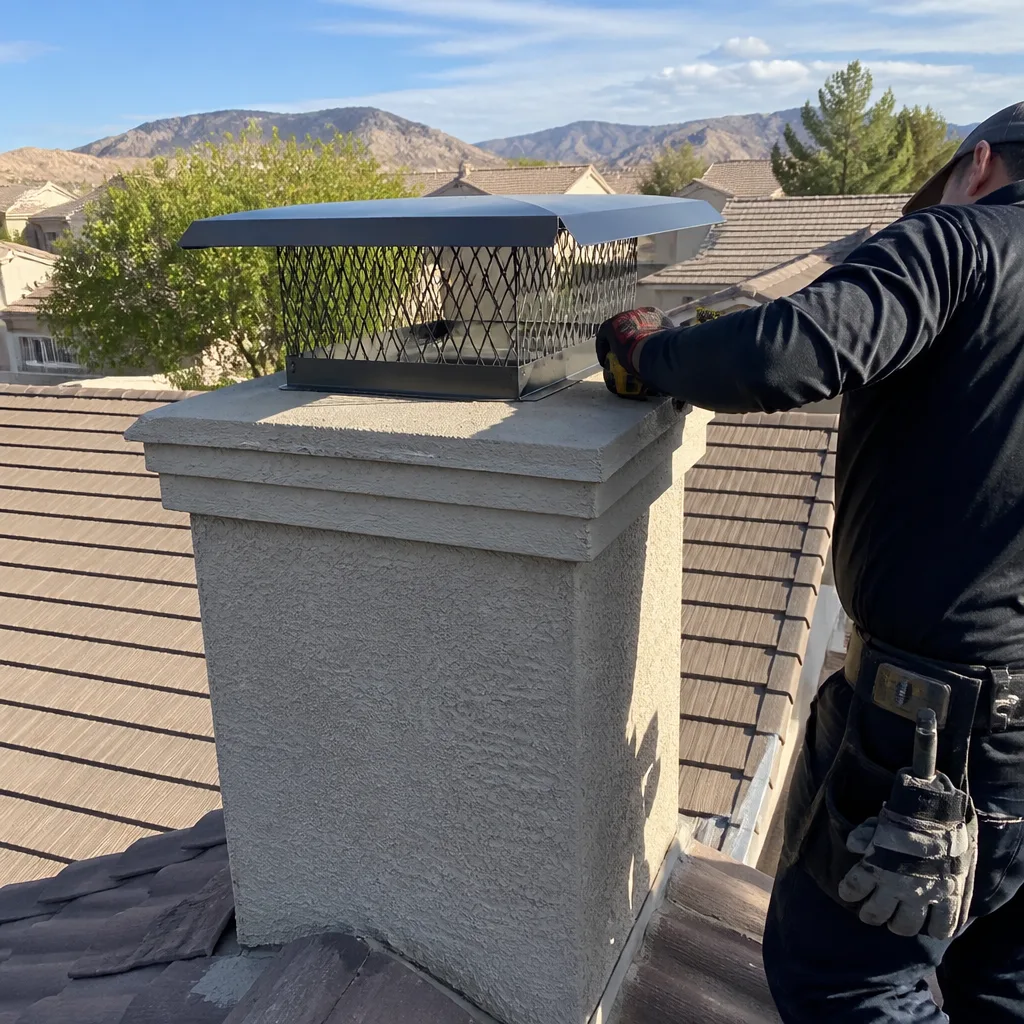
- Chimney cap inspection: The cap is the most failure-prone exterior component in Las Vegas, thanks to wind, sun, and the occasional monsoon downpour. A sweep that doesn’t include a cap check misses the most common repair item.
- Written inspection report: Many companies do the work and give you a verbal “looks fine.” A written report, especially one with photos, is your documentation if something goes wrong later.
- Damper operation check: A damper that doesn’t fully open or close is a safety and efficiency issue, but it’s often skipped because it takes an extra five minutes.
- Smoke test or draft check: This verifies the chimney actually draws properly after cleaning. It’s the difference between “we cleaned it” and “we confirmed it works.”
When you call for a quote, ask three questions: “Does that price include firebox cleaning?” “Do I get a written report?” “Do you check the cap and damper as part of the visit?” If the answer to any of those is “that’s extra,” you now know what the headline price really covers. Every chimney sweep in Las Vegas at Alcott includes the full scope in a written price before we start; you’ll see every line item before you approve anything.
How to Read a Chimney Cleaning Quote for Hidden Scope Gaps
The most useful skill a Las Vegas homeowner can develop is reading a chimney quote the way a contractor reads a bid: line by line, looking for what isn’t there as much as what is. Here’s the process we recommend.
- Look for the word “inspection.” If it isn’t anywhere in the quote, the company is selling you a sweep and nothing else. That’s not inherently dishonest, but it means you’re paying for labor alone with no documentation, no component check, and no record if something fails later.
- Check whether the firebox is listed. A quote that says “flue sweeping” but doesn’t mention the firebox is doing half the job. In older Las Vegas homes, especially those built in the 1970s and 1980s, firebox mortar joints are often deteriorated, and that’s exactly what you’d want to know before burning season.
- Ask whether the cap is included in the inspection. If the company says “we don’t usually go on the roof for a cleaning,” that’s a red flag. A chimney cap that’s rusted through or missing lets rain, birds, and debris into the flue, which is precisely what a cleaning is supposed to prevent.
- Verify what “Level 1” or “Level 2” actually means in their quote. Those terms come from the National Fire Protection Association (NFPA 211) and have specific definitions. A Level 1 inspection covers accessible components without special tools. A Level 2 adds video scanning of the flue interior and is required when you’re buying a home, changing fuel type, or after an event like a chimney fire or seismic event. If a company uses those terms but can’t tell you what they cover, treat the quote with caution.
- Look for line items with vague descriptions. “Miscellaneous materials” or “additional labor as needed” without a dollar cap can turn a $199 sweep into a $500 invoice. A legitimate company gives you a written price before work starts that doesn’t change unless you approve a change. We cover this in depth in our chimney inspection guide for Las Vegas homeowners, including what a proper Level 2 video scan should show you.
Why the Cheapest Quote Often Generates a Second Invoice
The $79 chimney cleaning special is a real offer in Las Vegas, and some companies honor it exactly as advertised. The problem is what happens after the sweep. Here’s the pattern we see repeatedly in the local market, and it’s worth understanding before you book the lowest number you find.
Pattern 1: The “found damage” upsell. The technician arrives, does a quick sweep, and then finds “significant creosote buildup” or “cracked flue tiles” that require immediate attention, often with a discount if you act on the spot. Sometimes this is legitimate; sometimes it isn’t. The homeowner has no way to verify it without a camera report, which the low-bid company typically doesn’t provide. The fix: ask for photo or video documentation of anything they claim needs repair. A company that refuses is telling you something.
Pattern 2: The stripped-scope add-on. The $79 price covers flue brushing only. Firebox cleaning is $40. Cap inspection is $35. Damper check is $25. Written report is “not included.” By the time you have a complete job, you’re at $200, which is what the reputable company quoted in the first place.
Pattern 3: The “not our problem” repair. The company does the sweep, but when you ask about the rusted cap or the damper that won’t close, they say “we don’t do repairs, here’s a number.” Now you’re hiring a second company and paying a second trip charge. Learn more in our breakdown of what a proper chimney inspection in Las Vegas covers.
Pattern 4: The no-guarantee sweep. The work is done, the technician leaves, and two weeks later you notice creosote odor or debris falling back into the firebox. The company says “that’s normal” or quotes a return visit fee. If the original quote included no written guarantee, you have no recourse.
None of this means every low-price company is trying to scam you. Some are lean operations with lower overhead that do honest work. But the structural incentive with a stripped-down price is to find revenue somewhere else in the visit, and that “somewhere” usually shows up as an add-on or upsell you weren’t planning for. The way to protect yourself is simple: get the full written scope before work starts, ask what’s excluded, and get the guarantee in writing. Alcott Chimney Las Vegas has operated in the valley since 2002 under the same rule: a written price before any work begins, every time, no exceptions.
Creosote Stages and What Treatment Costs at Each Level
Creosote, the tar-like byproduct of wood combustion that accumulates on flue walls, is the reason chimneys catch fire. Not all creosote is equal, and the stage of accumulation determines how much your cleaning will cost. Here’s what each stage looks like and what treatment typically runs in Las Vegas.
Stage 1: Dust and soot. This is a light, flaky layer that brushes off easily with standard tools. It’s what you’d expect from seasonal use with well-seasoned firewood. A standard sweep handles it, and it’s part of the base cleaning price. Most Las Vegas chimneys that get cleaned regularly fall into this category.
Stage 2: Glazed or tar-like creosote. This is a sticky, shiny layer that has hardened. It won’t come off with a standard brush alone and requires either rotary agitation with specialized chains or chemical treatment products applied as a follow-up. This is common in Las Vegas homes where chimneys are used intermittently during the short winter season, because the repeated heating and cooling cycles help creosote set. Expect $150 to $275 for the chemical treatment on top of the base sweep.
Stage 3: Solidified, glassy creosote. This is the dangerous stage. It’s hard, dense, and highly flammable, and it significantly increases the risk of a chimney fire. Removal is labor-intensive, often requiring multiple passes with rotary equipment followed by chemical treatment. In some cases, the flue needs to be checked with a video scan afterward to confirm the walls are clean. Expect $300 to $600 total for the full treatment, and in extreme cases, replacement of the flue liner may be the only safe option. When liner replacement is required, professional-grade systems like DuraFlex or HeatShield resurfacing are what reputable Las Vegas chimney companies specify.
The takeaway: the longer creosote sits, the more expensive it becomes to remove. That’s not a scare tactic; it’s the economics of time and chemistry. A $199 cleaning this year can prevent a $600 treatment or a $3,000 liner replacement in three years.
What a 365-Day Guarantee Is Worth in Dollar Terms
Most Las Vegas homeowners don’t think about guarantees until they need one, and by then it’s too late to negotiate. Here’s the math on what a written, year-long guarantee on repair work is actually worth.
A typical post-cleaning repair in the Las Vegas market, whether it’s a damper replacement, a chimney cap install, or a minor mortar repair, runs $150 to $400 including parts and labor. If the original work fails because of a defective part or an installation error, the homeowner without a guarantee pays that amount again in full. The homeowner with a written guarantee pays nothing for the return visit, the replacement part, or the labor.
Alcott’s 365-Day Done Right Promise covers exactly this scenario. Every repair we complete in Las Vegas carries a written guarantee. If the repair fails within the coverage period, the second visit is free, period. We don’t prorate it, we don’t charge a trip fee, and we don’t argue about whose fault it was. Ruben Castellano has built the company on this rule since 2002.
The real value of a guarantee isn’t just the dollar amount; it’s the signal it sends about the company. A chimney service that writes down what it promises and stands behind it for a full year is operating differently than one that hands you a receipt and disappears. When you’re comparing quotes, don’t just compare line items. Ask each company this exact question: “What happens if the repair fails two months from now?” The answer tells you more about who you’re hiring than any price on paper.
Las Vegas-Specific Factors That Affect Chimney Cleaning Prices
Chimney cleaning prices in Las Vegas are shaped by local conditions that don’t apply in, say, Portland or Minneapolis. Understanding these factors helps you evaluate why quotes differ and when a higher price is justified by local reality.
The short burning season creates a false sense of low usage. Most Las Vegas homeowners use their fireplaces from November through February, four months at most. In that compressed window, creosote doesn’t build up the way it does in climates where fires burn from October through April. But the intermittent use pattern, with long idle periods between burns, actually helps creosote set and harden more quickly, meaning the buildup you do have is often Stage 2 rather than the easier Stage 1. Cleaners who know the local pattern expect this and build the possibility of chemical treatment into their pricing transparency.
Monsoon season does real damage to caps and crowns. Las Vegas gets most of its annual rainfall in a few intense July and August storms. Chimney caps and crown mortar take a beating, and rust progresses faster here than in drier desert climates that get no rain at all. A cleaning that includes a cap inspection is more valuable in Las Vegas than it would be in a city with gentler weather, and we see cap failures regularly in Summerlin and Henderson homes where the original cap was installed in the 1990s.
Wind-blown debris is a constant issue. The Las Vegas valley sits in a basin, and when the winds kick up, they carry dust, pollen, and construction debris into chimneys at a rate that surprises homeowners from calmer cities. Even if you never use your fireplace, the flue can accumulate enough debris in a year to affect draft and air quality. That’s why we recommend an inspection even when you haven’t burned a single log: the chimney is still exposed to the environment.
Housing stock age varies dramatically by neighborhood. Older Las Vegas neighborhoods like Paradise Palms and McNeil have chimneys from the 1950s and 1960s with unlined or clay-lined flues that require careful handling. Newer master-planned communities like Skye Canyon and Inspirada have prefabricated units that need different tools and different inspection approaches. A competent chimney company pricing across the valley accounts for this variability, which is why “one flat price for every home” is rare among serious operators.
How Often Should You Actually Clean a Chimney in Las Vegas?
The standard industry answer is “once a year or per cord of wood burned, whichever comes first.” For Las Vegas homeowners, the math looks different because the burning season is short and the debris season is long.
For a household that burns one to two cords of wood per winter, an annual cleaning plus inspection is the right cadence. That’s enough use to build up meaningful creosote, and it’s also enough idle time for debris to accumulate during the rest of the year. For a household that never burns wood but owns a home with a chimney, we recommend a Level 1 inspection every two years rather than a full cleaning, primarily to check cap condition, flashing, and damper operation. For a home where the fireplace is purely decorative and has never been used, an inspection when you buy the house and then every three to five years is usually sufficient.
The most common mistake Las Vegas homeowners make is assuming that no use means no maintenance. The chimney is a hole in your roof that’s exposed to sun, wind, monsoon rain, and the occasional bird looking for a nesting spot. The components that fail first, caps, flashing, crowns, and dampers, fail whether or not you ever light a fire. That’s why we include a cap and damper check in every chimney sweep in Las Vegas, even when the flue itself needs little work.
Common Mistakes to Avoid
- Booking on price alone without reading the scope. The $79 special is sometimes a complete job and sometimes a teaser rate. Always ask what’s included before you book, not after the technician arrives.
- Skipping the inspection because “we barely use the fireplace.” Las Vegas homes with chimneys face weather exposure year-round, regardless of how often you burn. Caps, flashing, and crowns fail on their own schedule.
- Accepting a verbal “everything looks fine” without documentation. A written report with findings is your record if something fails later. Without it, you have no proof the inspection happened at all.
- Letting a low-bid technician sell you a repair without showing you evidence. Camera footage takes five minutes to produce. If they won’t show it, question why.
- Assuming creosote buildup won’t be an issue in a desert climate. The short burn season and long idle periods in Las Vegas actually promote Stage 2 glazing, which costs more to remove than the lighter buildup from steady use.
- Ignoring the chimney because you’re selling the home. A Level 2 inspection is typically required during escrow in Las Vegas, and finding problems after an offer is on the table gives the buyer leverage. Clean and inspect before listing.
- Choosing a company without asking about its guarantee. A chimney repair that fails two months later costs just as much to fix as it did the first time if you have no written guarantee. Ask before you pay.
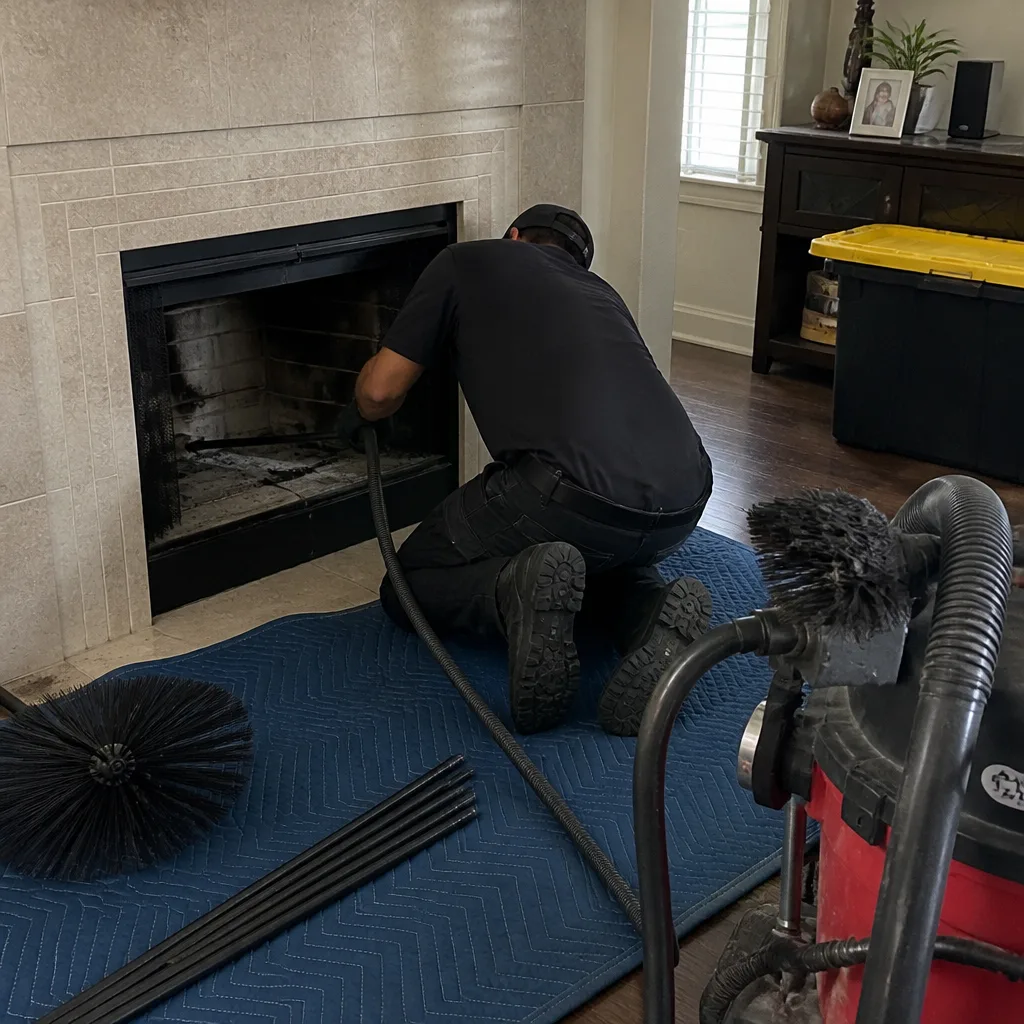
See the difference
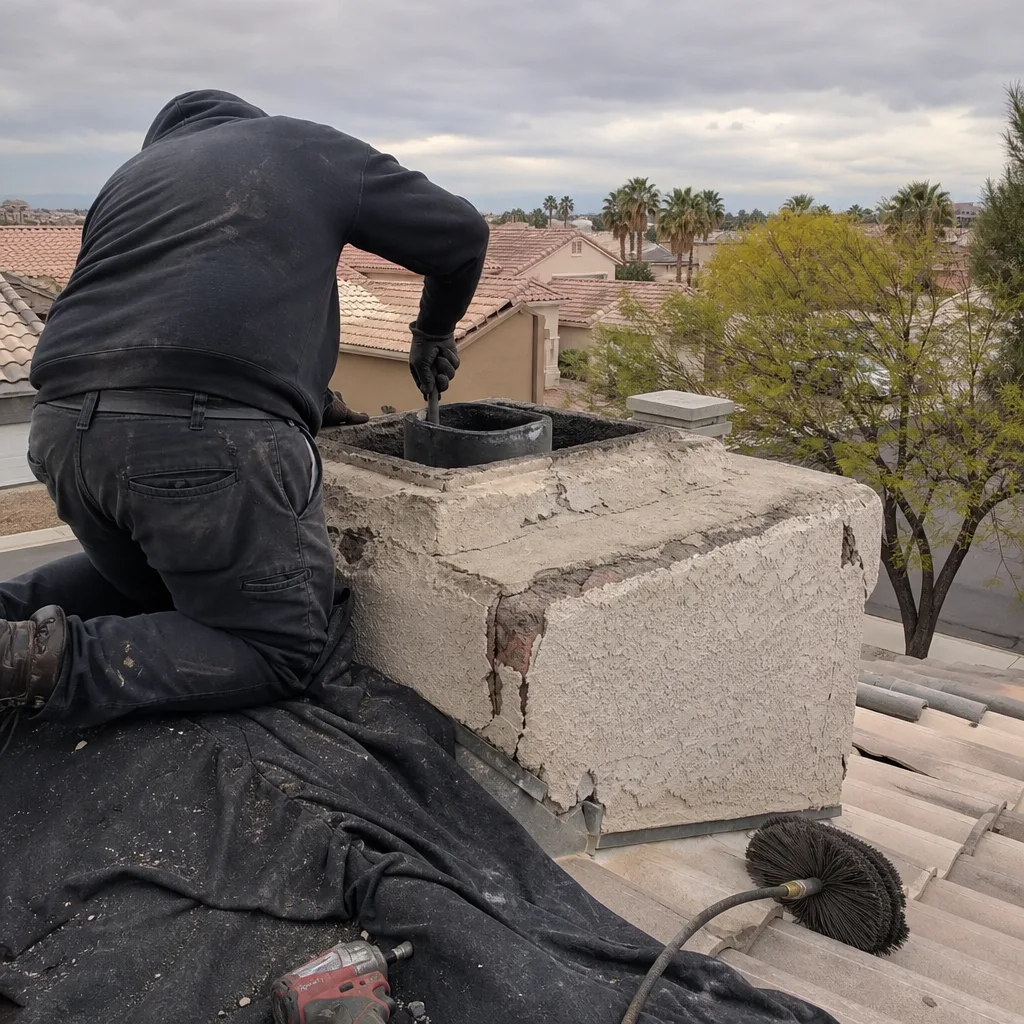 Before
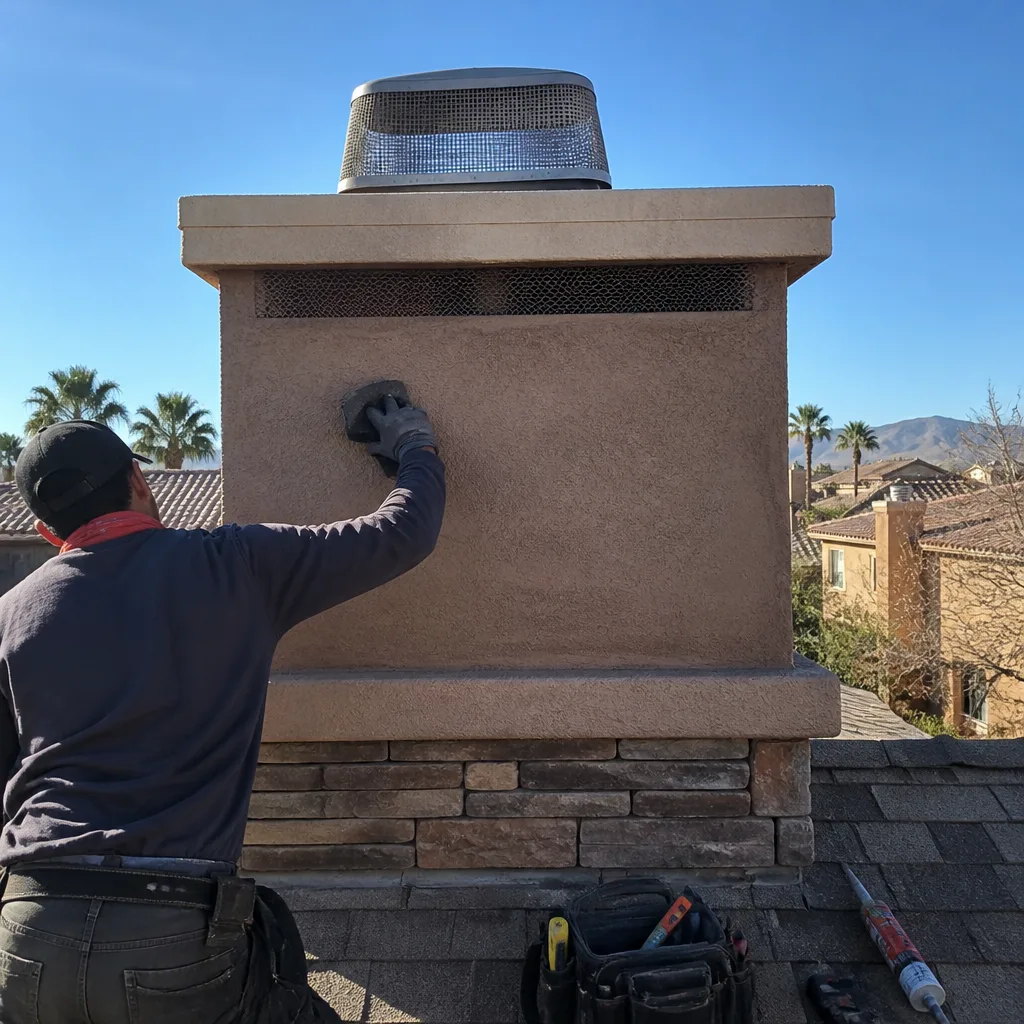 After
After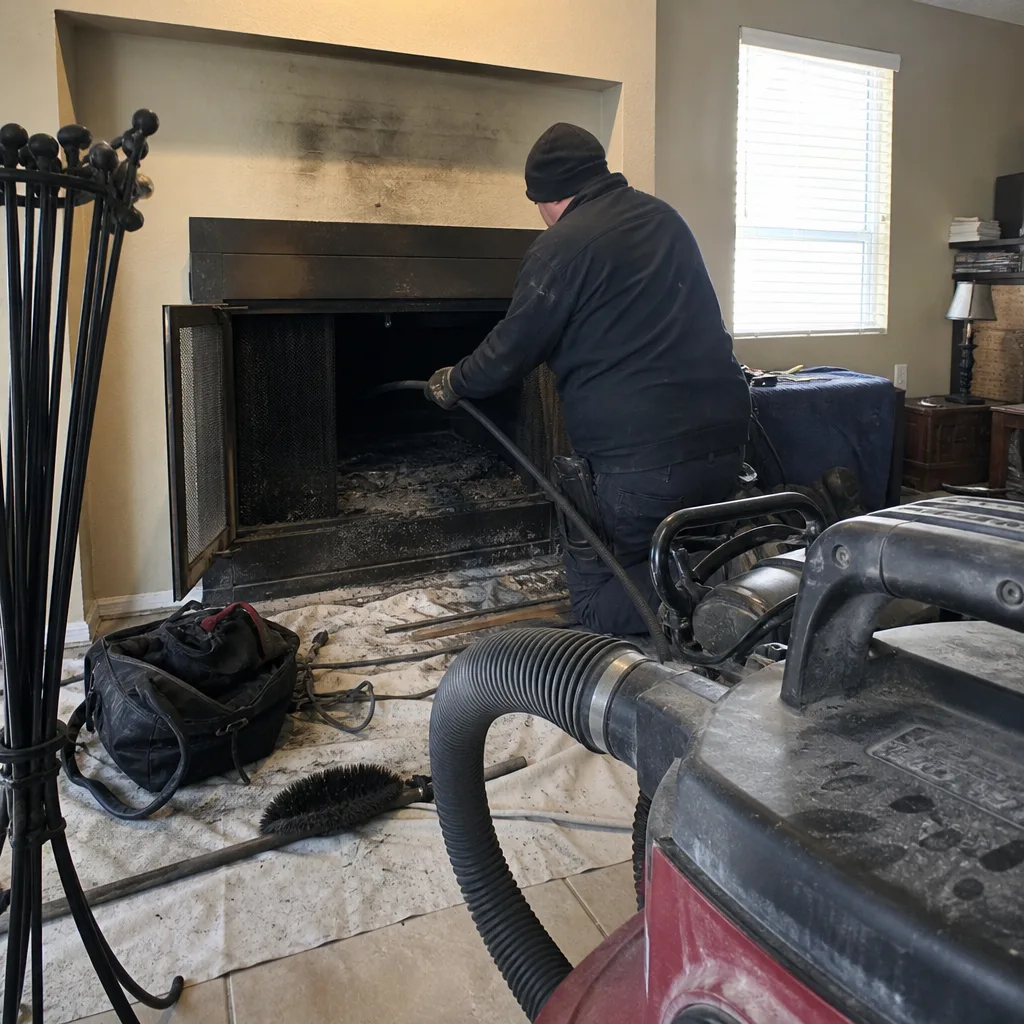 Before
 After
After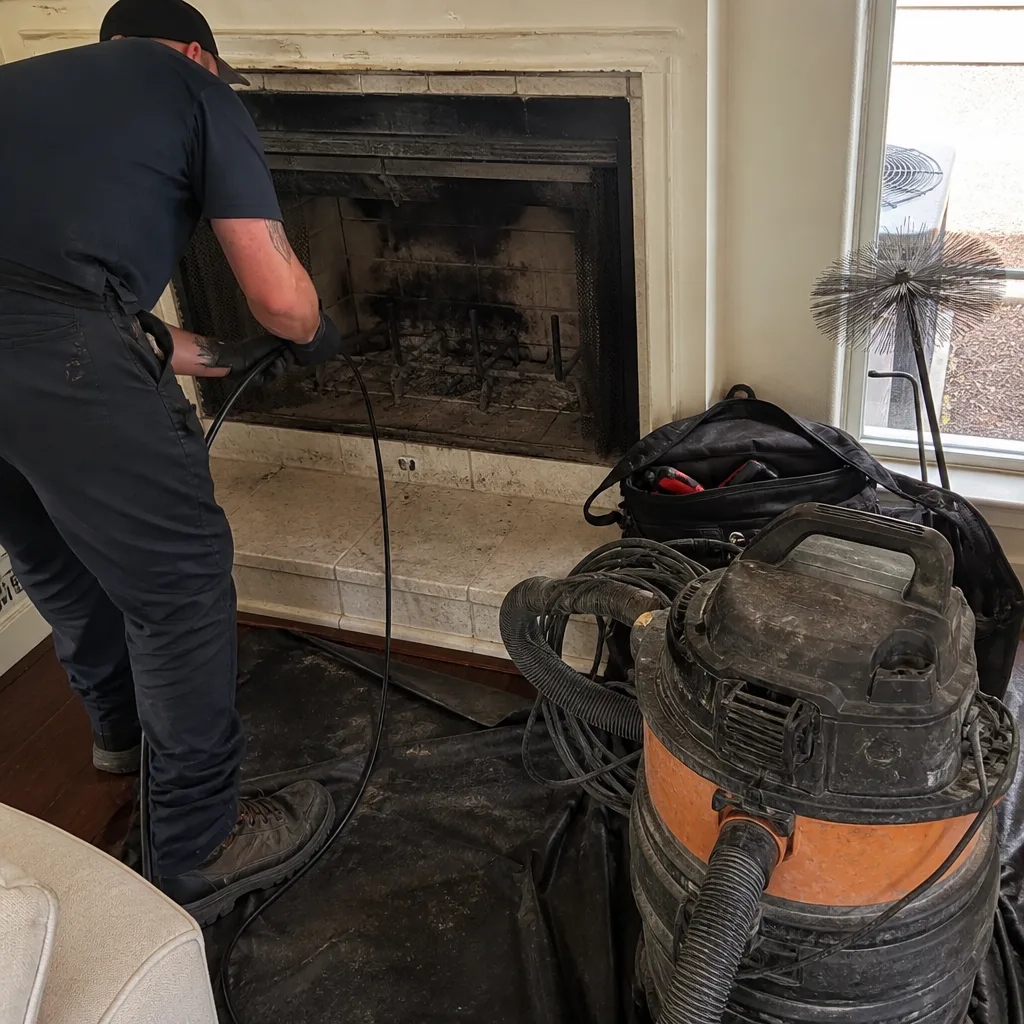 Before
 After
AfterWhen to Call a Professional
Some chimney issues announce themselves: smoke backing into the room, a strong creosote odor in summer, visible rust on the cap, or water stains on the ceiling near the flue. Others are quieter, which is why the NFPA recommends an inspection at least annually for any chimney in active use. If you’ve bought a home with a chimney and have no record of the last cleaning, call before you light the first fire. If your gas fireplace hasn’t been serviced in more than two years, that’s a separate maintenance track, and we cover it in our gas fireplace repair guide for Las Vegas homes. Alcott Chimney Las Vegas offers free estimates across the valley, and our technicians arrive with a written price before any work begins. Call (725) 227-7352 to schedule an inspection, a cleaning, or a repair, and you’ll know the technician’s name and face before they ring the doorbell.
Frequently Asked Questions
A standard chimney sweep in Las Vegas runs between $139 and $249 in 2026, with the price depending on whether the sweep includes a Level 1 inspection, firebox cleaning, cap check, and written report. The short answer is yes, a basic sweep alone can cost less, but a sweep that includes documentation and component inspection is the one that protects you. Call (725) 227-7352 for an exact quote, and we’ll give you a written price before any work starts.
You need a new liner only if the existing one is cracked, deteriorated, or absent, which a Level 2 video inspection can confirm with visual evidence. Many Las Vegas homeowners are told they need a liner replacement based on a verbal claim alone, and we recommend declining any liner work until you’ve seen camera footage of the damage. When replacement is genuinely necessary, professional systems like DuraFlex and HeatShield are what reputable companies install, and our Alcott Chimney Las Vegas home team can show you the difference.
A chimney should be swept once a year if you burn one to two cords of wood per season, and inspected every two years even if you never use the fireplace. Las Vegas homes are exposed to monsoon rain, wind-blown debris, and intense sun year-round, which means caps and flashing fail on their own schedule regardless of burn frequency. An annual sweep with inspection is the cheapest insurance against a $600 creosote treatment or a $3,000 liner job.
Creosote accumulates, hardens, and eventually reaches a stage where it’s either expensive to remove or dangerous to ignore, since glazed creosote is flammable and is the primary fuel source in chimney fires. In Las Vegas, the intermittent burn pattern means creosote often sets into Stage 2 glazing faster than homeowners expect. The tradeoff is simple: a $199 cleaning now or a $600 treatment and possible liner replacement in a few years.
Yes, a cleaning removes creosote and debris from the flue and firebox, while an inspection evaluates the structural and functional condition of all accessible components, and a Level 2 inspection adds video scanning of the flue interior. Most reputable Las Vegas chimney companies bundle the two because the work overlaps, but a quote that lists only a sweep and no inspection is doing half the job. We outline the full differences in our chimney inspection guide for Las Vegas.
Ask whether the technician is background-checked and identity-verified, whether you’ll receive a written price before work starts, and whether the company provides a written guarantee on repairs. At Alcott Chimney Las Vegas, every technician passes a background check and identity verification before stepping on your property, you get a written price before work begins, and every repair carries the 365-Day Done Right Promise. You’ll know the technician’s name and see their photo before they arrive.
The Bottom Line
A chimney cleaning in Las Vegas costs what it costs because of scope, not mystery. The spread between a $79 teaser rate and a $500 comprehensive cleaning is explained entirely by what’s included: firebox cleaning, cap inspection, written documentation, creosote treatment, and a repair guarantee. The homeowner’s job is to compare scope, not just numbers, and to demand photo evidence of anything a technician claims needs repair. Alcott Chimney Las Vegas has served homeowners since 2002 with a simple rule: written prices, verified technicians, and a guarantee that lasts a full year. Call (725) 227-7352 for a free estimate, and you’ll know exactly what you’re paying for before we ever pick up a brush.
Written by Ruben Castellano, Owner at Alcott Chimney Las Vegas, serving Las Vegas since 2002.