
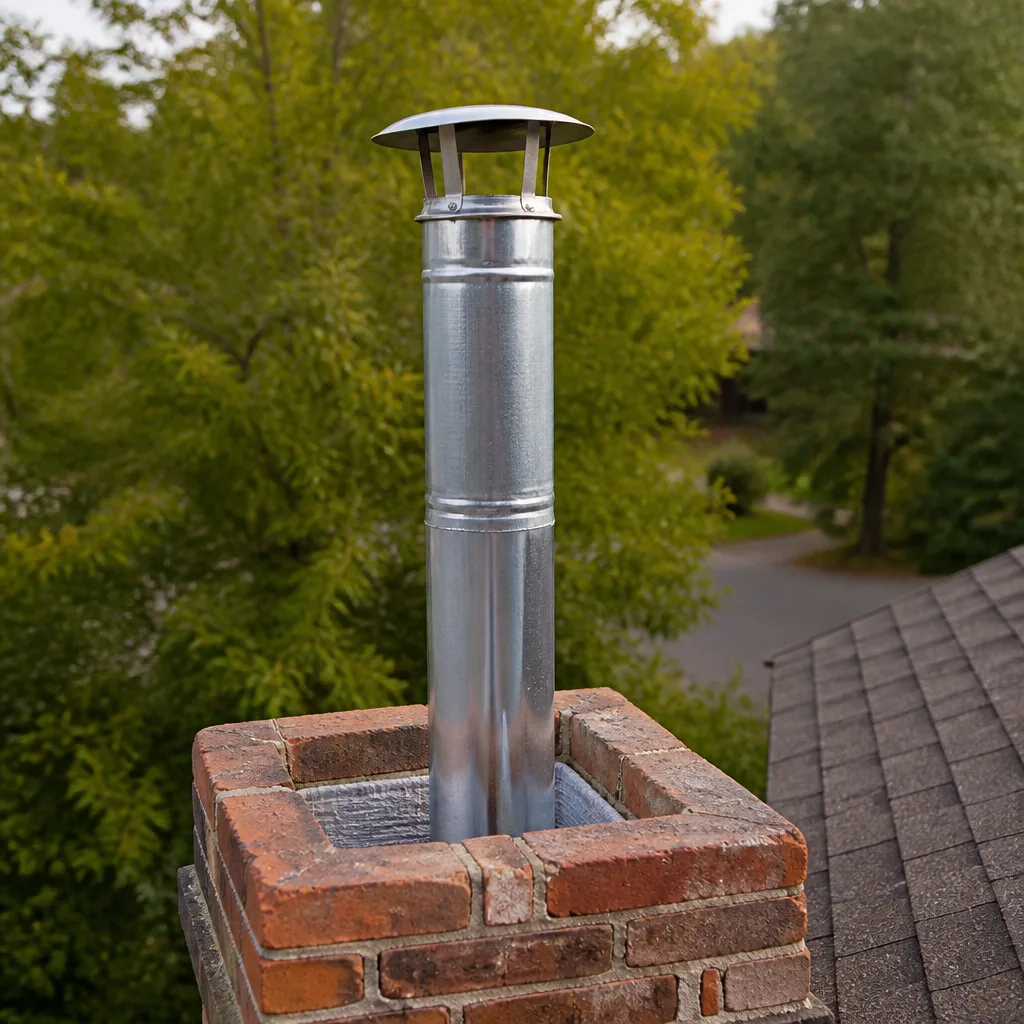
 Flue relining
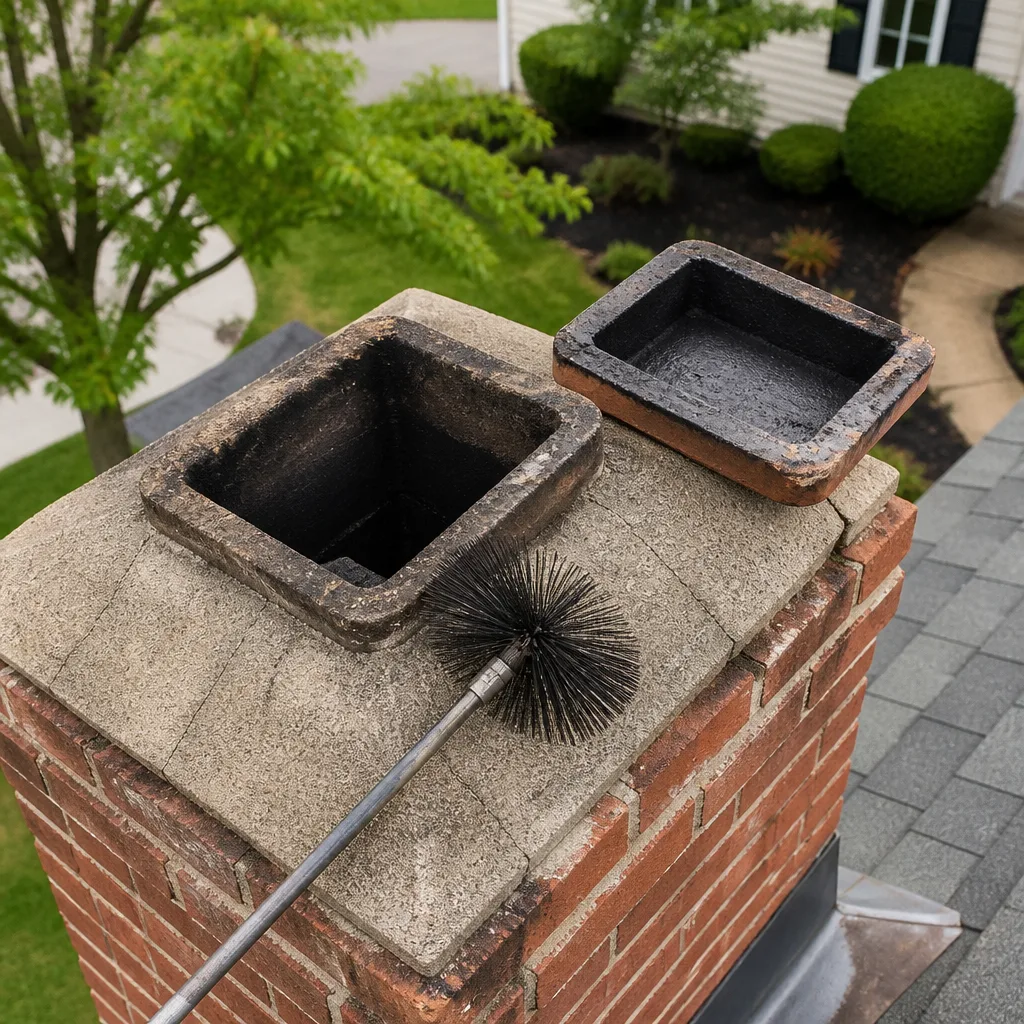 Sweep & inspection
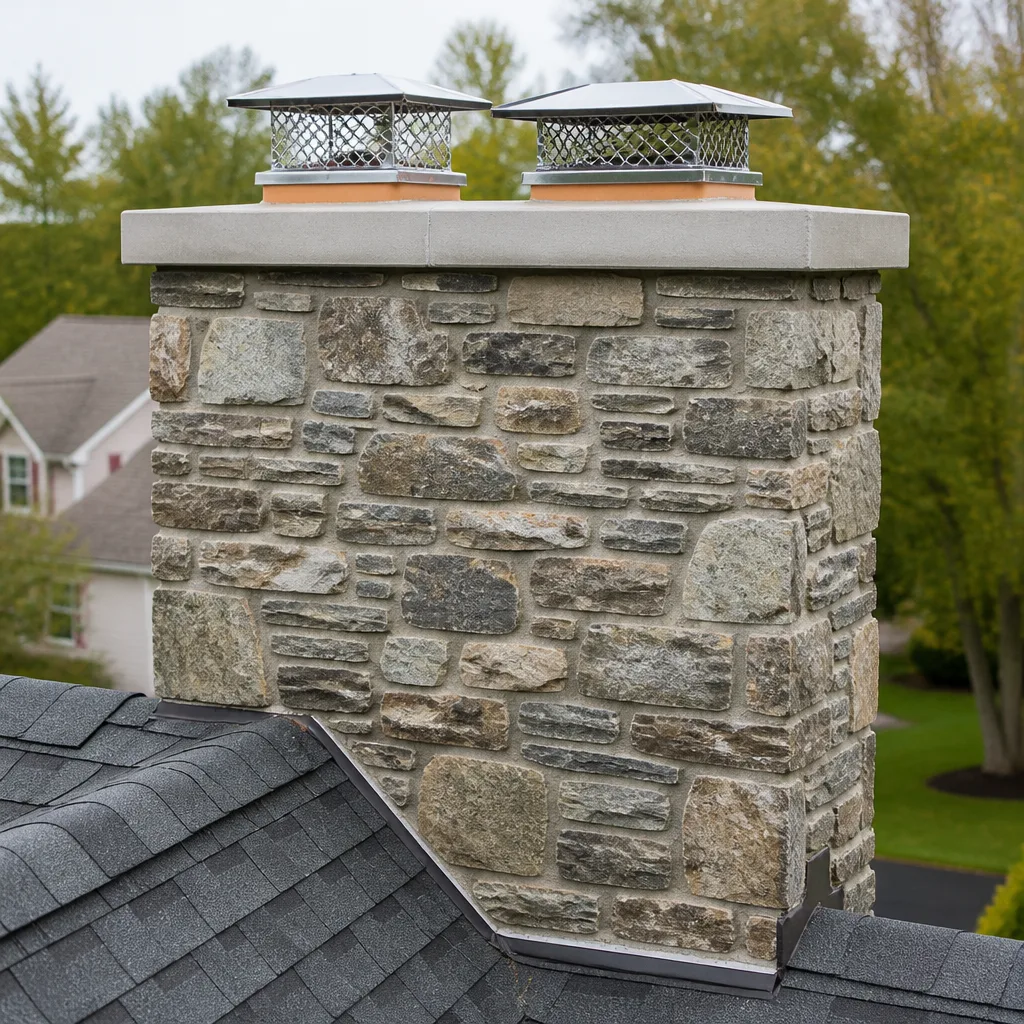 Caps & crowns
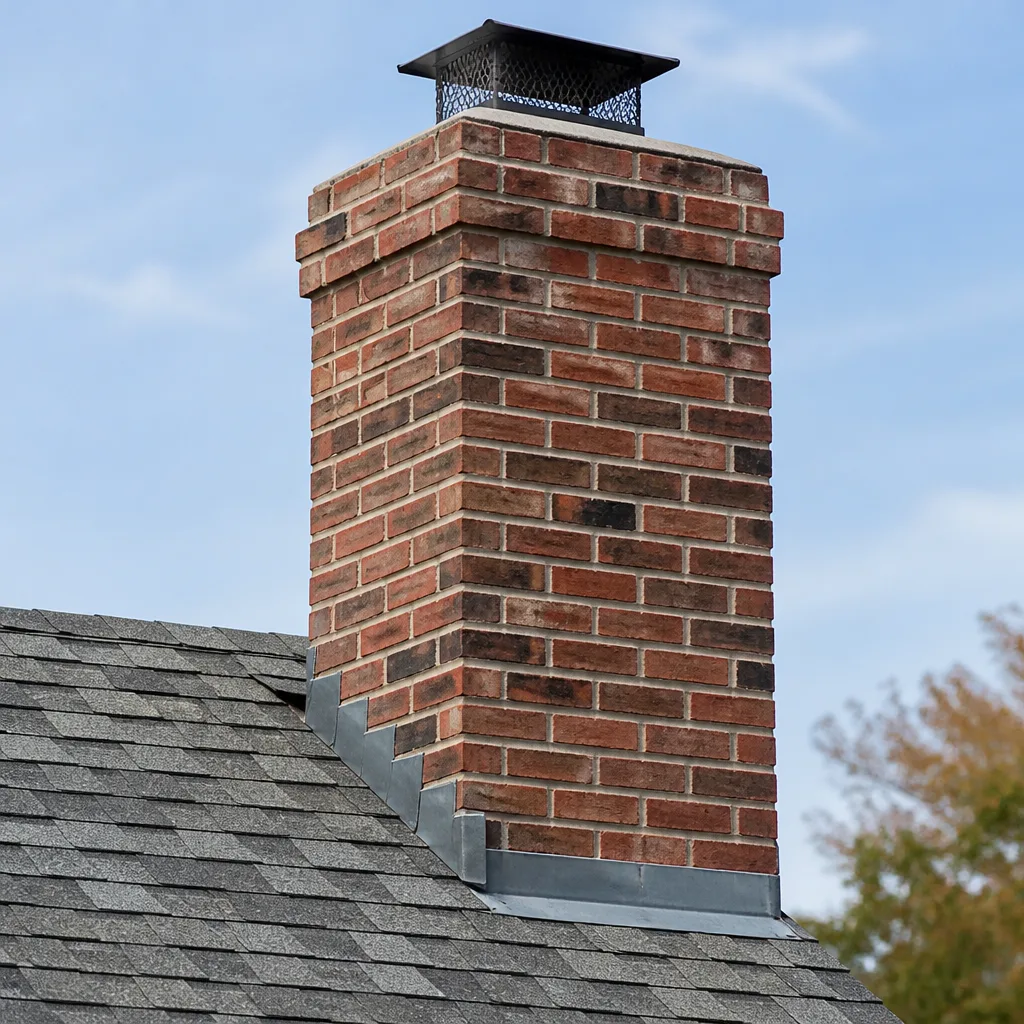 Masonry repair
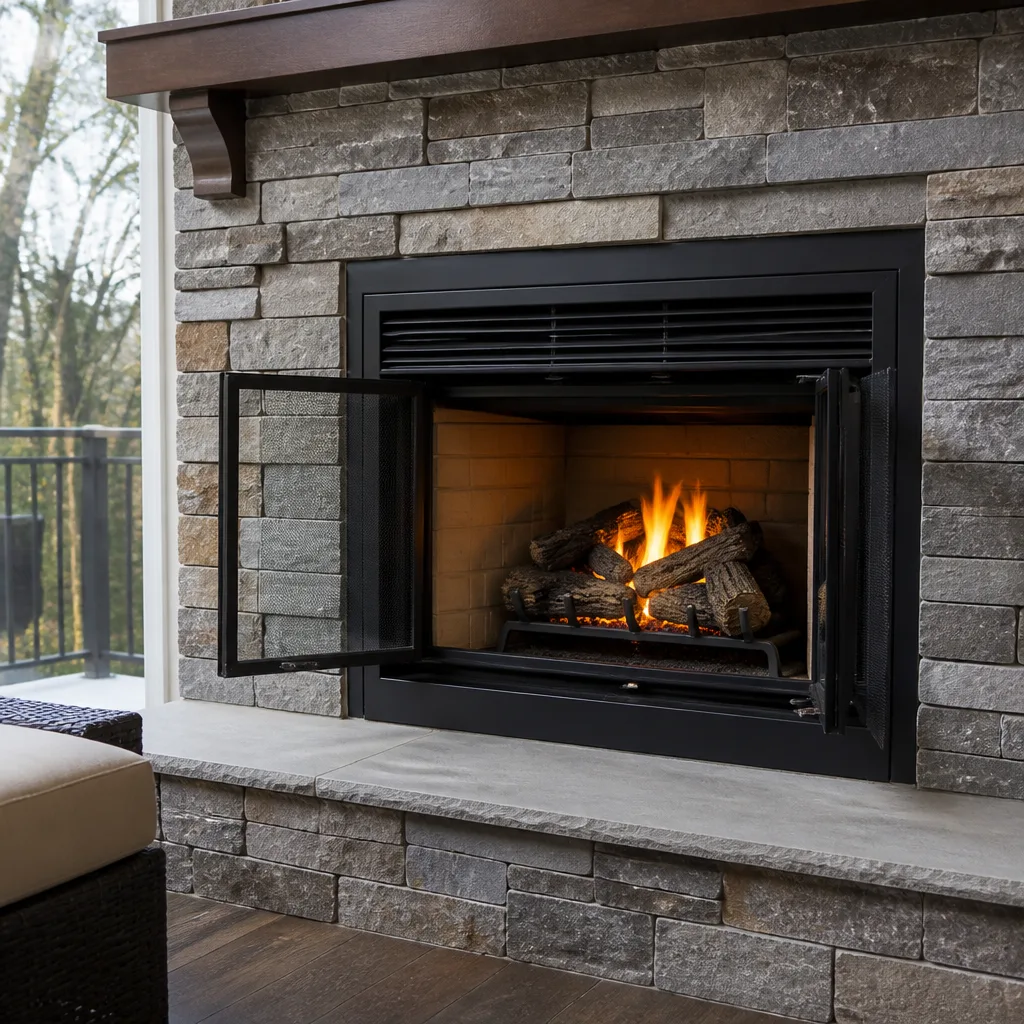 Gas fireplace service
Level 1 sweep and inspection to the NFPA 211 annual standard - flue, crown, cap, and flashing checked and photographed
Chimney sweep logs do not sweep chimneys. They loosen some creosote - which then falls where a brush and vacuum still have to collect it.
HeatShield Flue Liner Replacement: The Las Vegas Owner’s Guide
A HeatShield flue liner replacement in Las Vegas typically runs $1,300 to $2,800 installed, depending on the liner length, your home’s roofline, and whether the existing HeatShield coating can be removed cleanly. We stock HeatShield-compatible replacement liners on our trucks and can usually complete the swap in a single visit. Most homeowners discover the problem when they notice flaking ceramic material at the bottom of the fireplace, or when a sweep or inspection camera shows the HeatShield coating blistering away from the original clay tile. The flue liner is the barrier between fire and the house framing, and HeatShield was installed in the first place because the original liner had cracked. When the HeatShield itself starts to fail, it’s the same conversation all over again.
Which HeatShield Models This Applies To
HeatShield is a ceramic-cement resurfacing system, not a liner you buy off a shelf. It’s applied as a coating inside an existing clay tile flue, so when someone in Las Vegas calls us about a “HeatShield flue liner replacement,” what they usually mean is one of two things: they want a new stainless steel liner installed because the HeatShield coating has failed, or they want the HeatShield coating re-applied because the first application didn’t hold. Both are real requests. The first is a flue liner replacement. The second is a HeatShield re-application, and it’s not always possible.
HeatShield comes in two forms. The standard product is a pumped-in mortar blend that’s applied with a foam plug and forms a cast-in-place barrier. HeatShield Cerfractory flakes are a hand-troweled version used for smoke chamber parging and harder-to-reach spots. The specific HeatShield job on your flue will be documented in your inspection report or on a metal tag near the chimney. If you have the original paperwork, the applicator’s name and date are usually on it. If you don’t, we find out what’s in there the same way we find out anything else: a camera. No HeatShield job should be evaluated without one.
Styles & brands we work with
Signs Your HeatShield Flue Liner Replacement Is Failing
- Flaking or sandy debris at the fireplace base. HeatShield that wasn’t mixed to spec or was applied over a flue that wasn’t cleaned properly will start to spall. You’ll see what looks like coarse sand or pale ceramic chips. That’s the coating coming off in pieces, which means it’s no longer doing its job higher up the flue.
- Visible bubbling or blistering on the flue walls during an inspection. HeatShield is water-based. When applied over flue tiles that still held moisture from rain or condensation, the coating lifts as it cures. Under a camera, it looks like paint peeling off a wall. Las Vegas humidity is low, but one monsoon-season leak through a cracked crown is enough to ruin an application.
- Smoke smell in the house when the fireplace isn’t in use. A failed liner lets flue gases and the smell of old creosote find their way through cracks and into wall cavities. That’s not a draft problem, that’s a breach. It gets worse on windy days.
- White staining or efflorescence on the exterior chimney brick. Moisture moving through a failing liner carries soluble salts out through the masonry. You’ll see chalky white streaks that weren’t there last year. It’s a sign water is where it shouldn’t be.
- Carbon monoxide detector going off during a fire, even once. Treat it as a liner failure until proven otherwise. We don’t guess with carbon monoxide. If you have any reason to suspect flue gas is entering the home, stop using the fireplace and call us.
See the difference
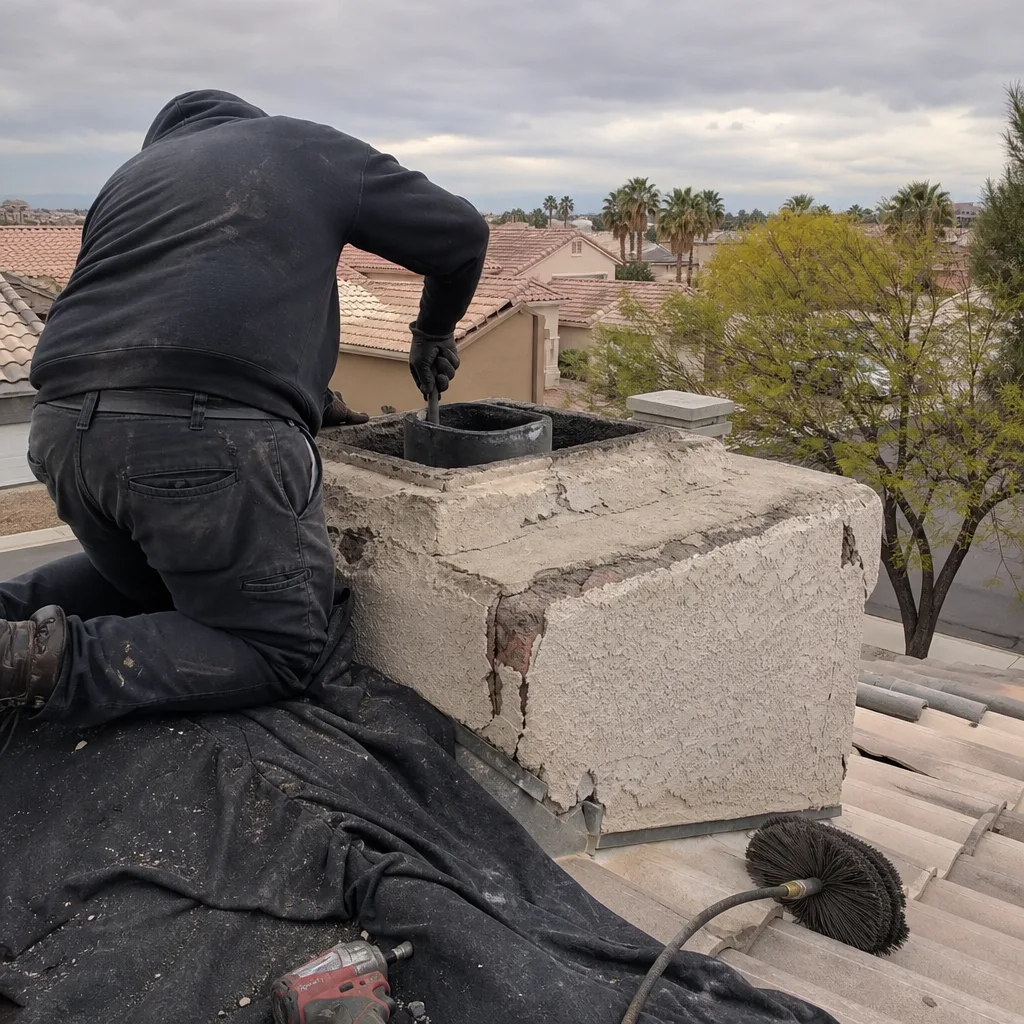 Before
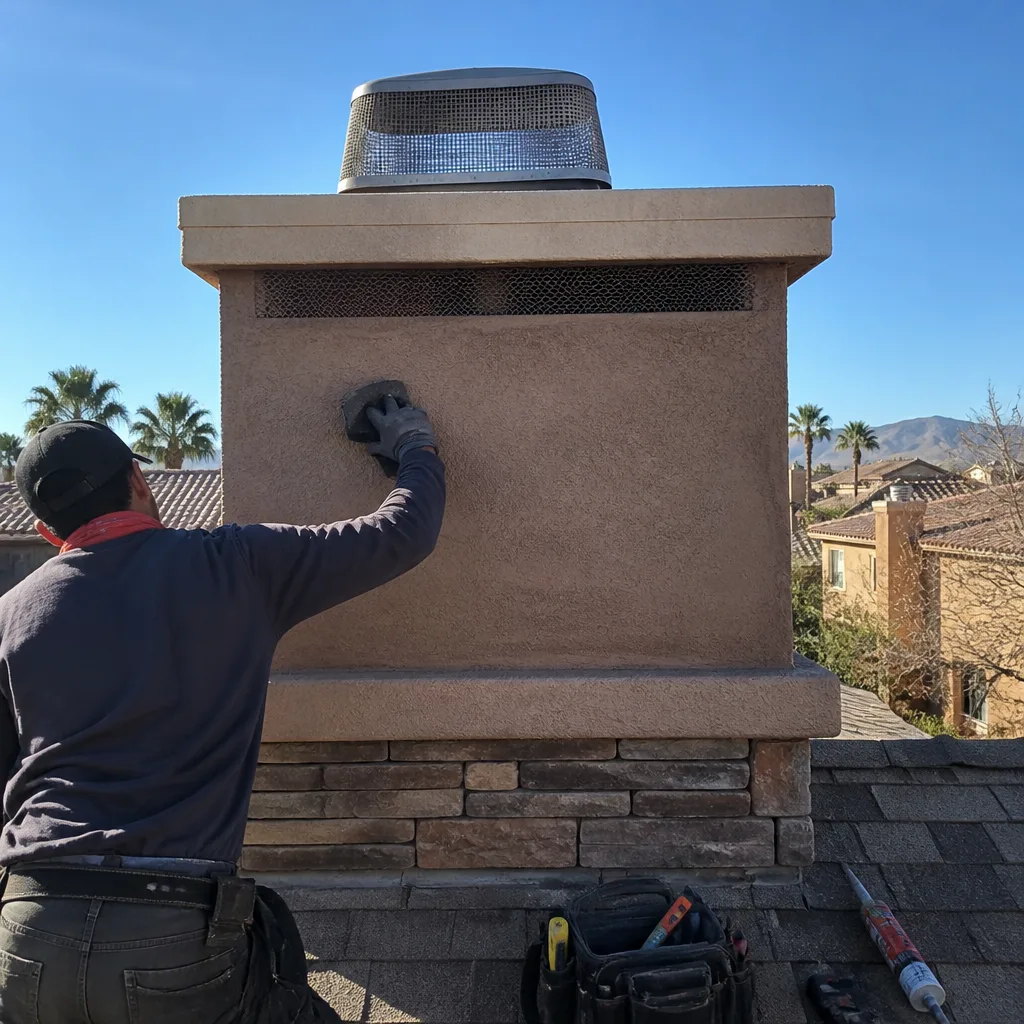 After
After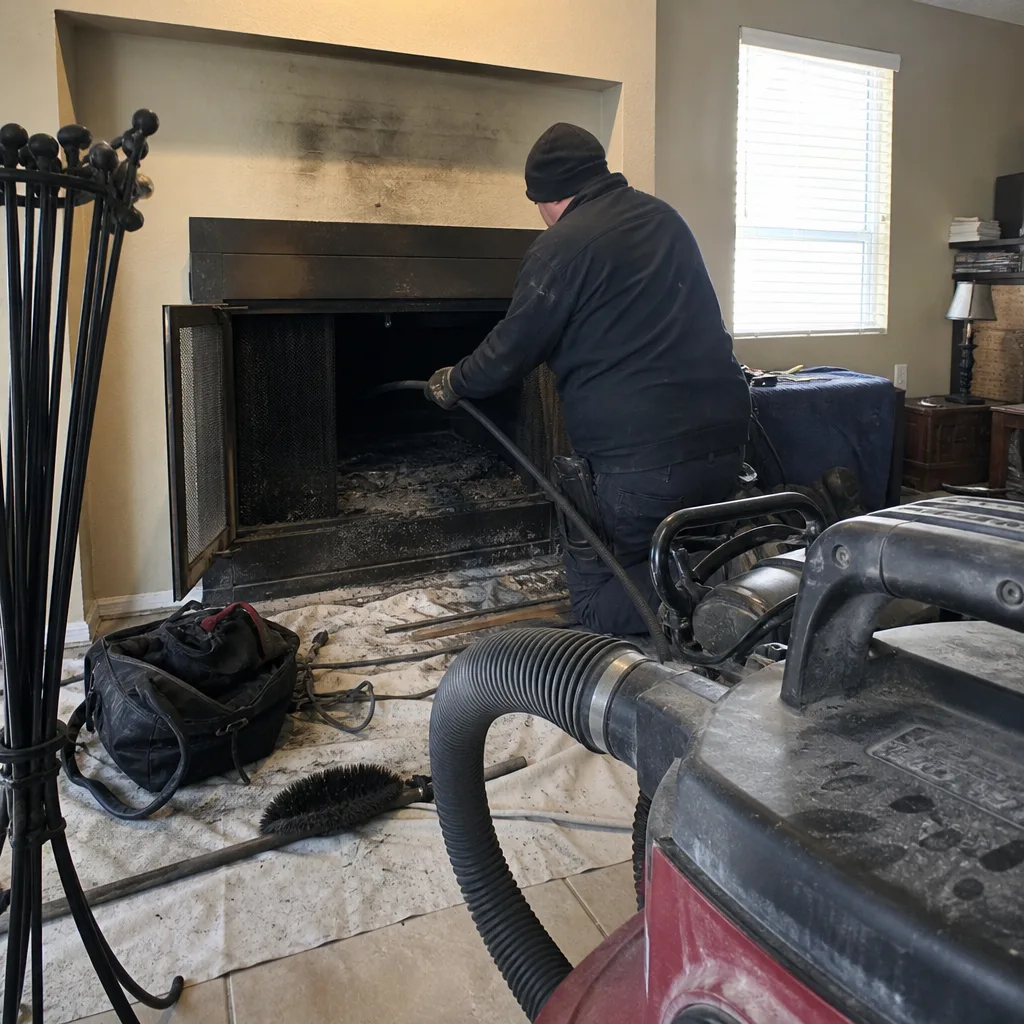 Before
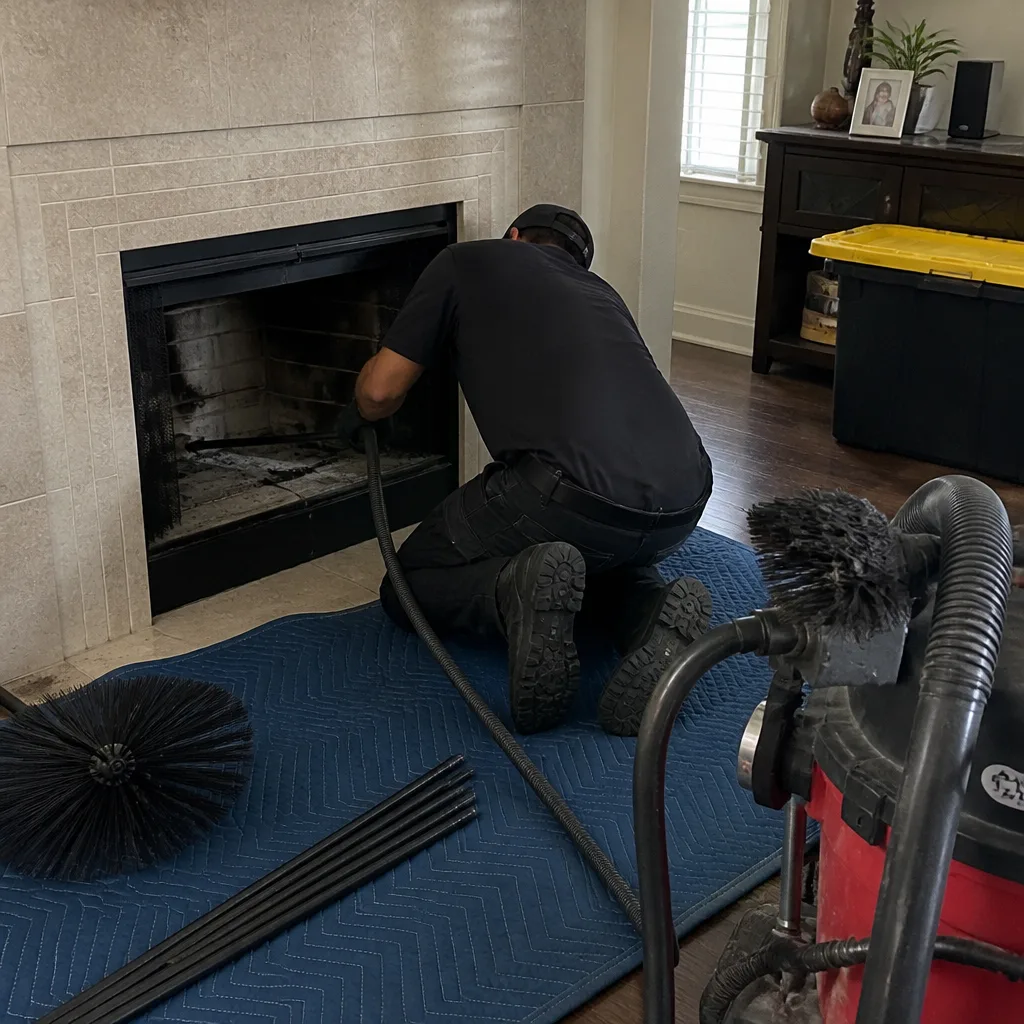 After
After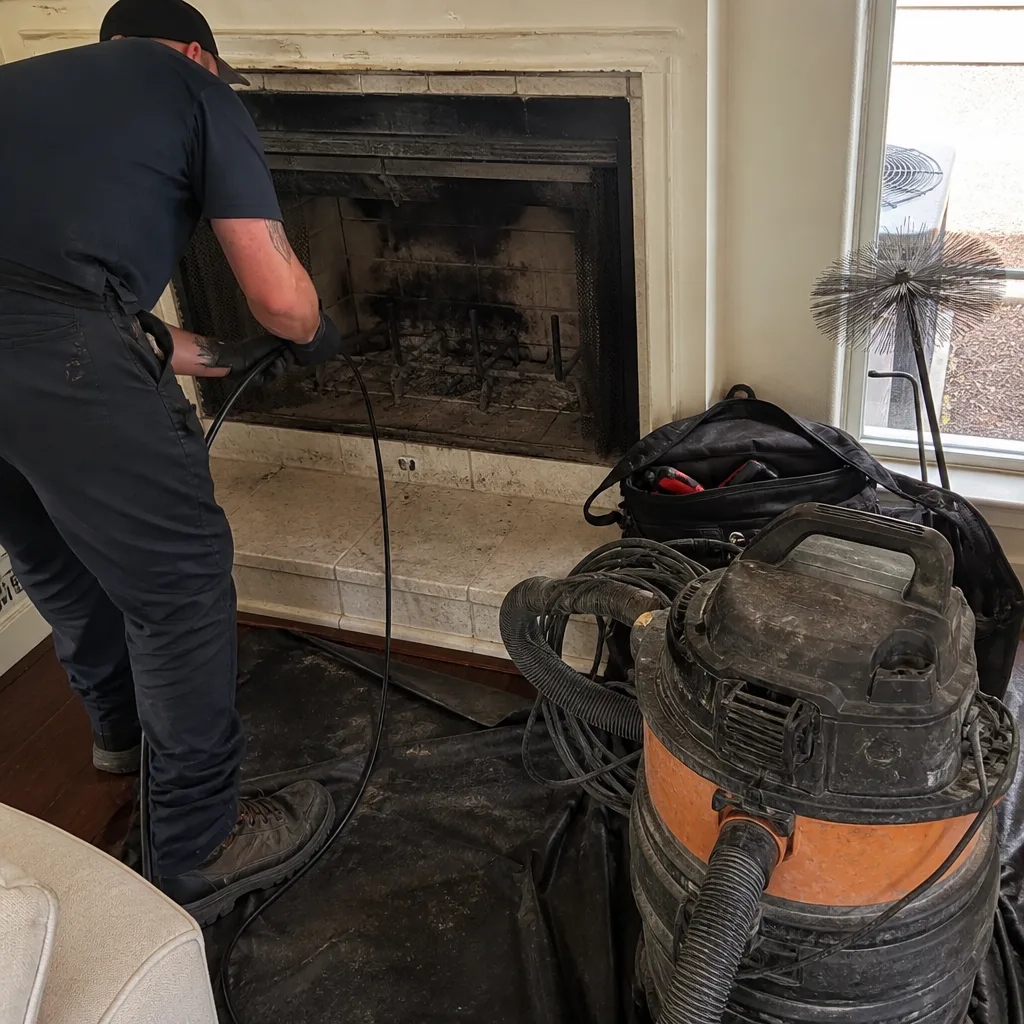 Before
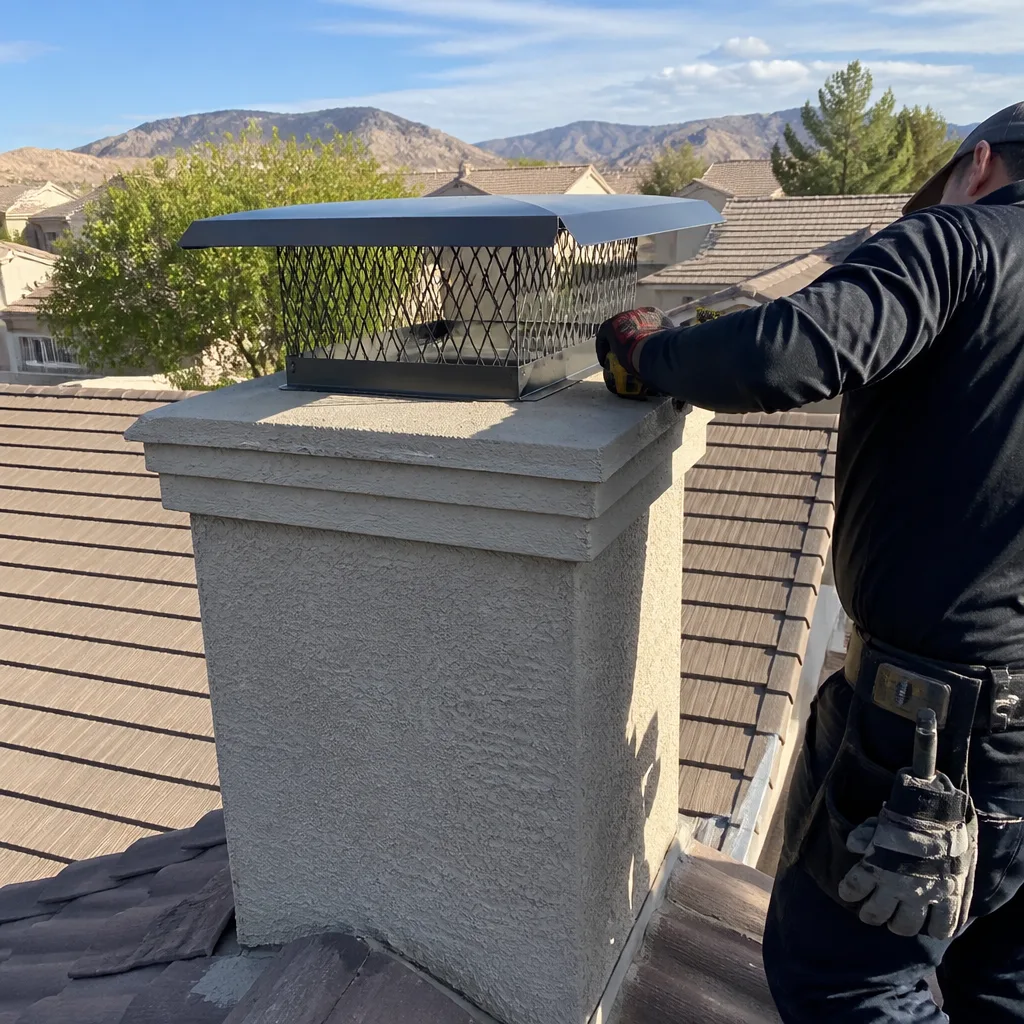 After
AfterReplacement Cost & What’s Included
For a straightforward replacement with a stainless steel liner, which is the wise endgame for most failed HeatShield jobs in Las Vegas, plan for $1,300 to $2,800. A 25-foot liner over a standard fireplace and a simple roofline is at the lower end. A two-story chimney, a steep roof, a difficult clay tile removal, or a liner that has to work around an offset all push toward the upper end.
Here’s the breakdown of what’s included:
- $500 – $1,100: stainless liner material, 6″ or 7″ diameter, sized to your flue
- $200 – $450: removal of the old HeatShield coating or damaged clay tile where necessary
- $100 – $250: crown sealing and flashing repairs if needed
- $400 – $900: two-person crew labor, safety equipment, and setup
- $0: the written quote before any work starts
All HeatShield flue liner replacement work we perform in Las Vegas comes with our 365-Day Done Right Promise. If the repair fails within one year, we come back and fix it at no charge. That’s in writing, on every invoice. Not a verbal promise. Not a “we’ll see.” Written.
DIY or Call Us?
Flue liner work is not a do-it-yourself job. The heat, the height, and the reality of carbon monoxide all make this one of the few things where I’ll say it plainly: don’t. That said, there are some safe checks you can do to confirm what’s going on before you call. Shine a flashlight up the flue from the fireplace opening and look for flaking or missing material. Check the ground at the base of the chimney for chalky white residue after rain. Look at the attic around the chimney for water stains. Those observations help us help you. But applying HeatShield or installing a stainless steel liner takes years of trade knowledge, proper equipment, and a camera to verify the result. None of that lives in a YouTube tutorial.
Tell me what you’re seeing, and I’ll tell you straight what it means. Call us at (725) 227-7352 and we’ll schedule a camera inspection.
FAQs
A properly installed stainless steel liner should outlast the house. A HeatShield coating, properly applied over correctly prepped tile, is warrantied by the manufacturer for 20 years. In Las Vegas, the real-world failure point is water intrusion, not heat. If your crown, flashing, and chimney cap are in good shape, the liner will hold.
Sometimes, but not often. If the coating has failed in a small, accessible section, a heat-resistant patch or a re-application of HeatShield Cerfractory flakes is possible. If the underlying clay tile is cracked or the coating is failing across more than a third of the flue, replacement with a stainless steel liner is the more honest repair. Cameras don’t lie, and we’ll show you exactly what we’re seeing before we recommend anything.
Most HeatShield flue liner replacements in Las Vegas take between 4 and 6 hours. We arrive with the liner, the insulation mix, the crown materials, and everything else needed so there’s no “we’ll have to come back for a part.” Two-person crew, same day.
We stock stainless steel liners in 6″ and 7″ diameters, along with the required insulation kits and top plates, on our trucks. For HeatShield re-applications, we order the specific Cerfractory product from the manufacturer so it’s fresh, not sitting in a hot warehouse. The stainless replacement is the stock item; the HeatShield product is ordered per job. Alcott Chimney Las Vegas is an independent service provider and is not affiliated with HeatShield. We also work with DuraFlex and Gelco liner systems regularly, so if your chimney needs a specific brand for warranty continuity, let us know and we’ll source it.
If your HeatShield liner is failing and you’re in the Las Vegas Valley, call (725) 227-7352 and we’ll get a camera in your flue and a written estimate in your hand. No surprise charges. No guesswork. A live person answers when you call, day or night.
Written by Ruben Castellano, Owner, Alcott Chimney Las Vegas at Alcott Chimney Las Vegas, serving Las Vegas and nearby areas.